Summary
Retaining wall drainage uses free-draining gravel, perforated pipe, filter fabric, and sometimes weep holes to move water away before pressure builds. Each part has a different job, and the system depends on a clear outlet, proper grading, and a design matched to the wall, soil, and runoff.
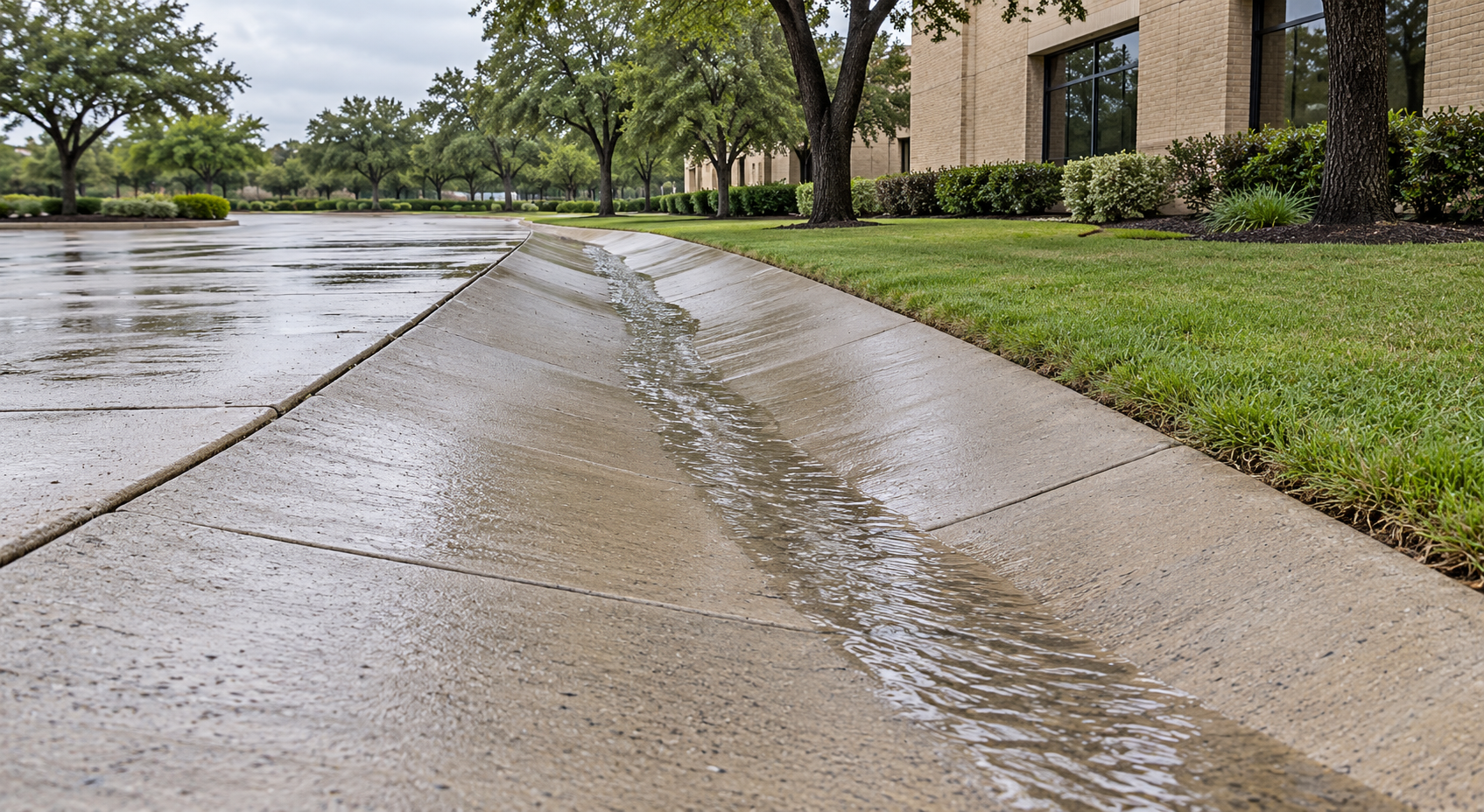
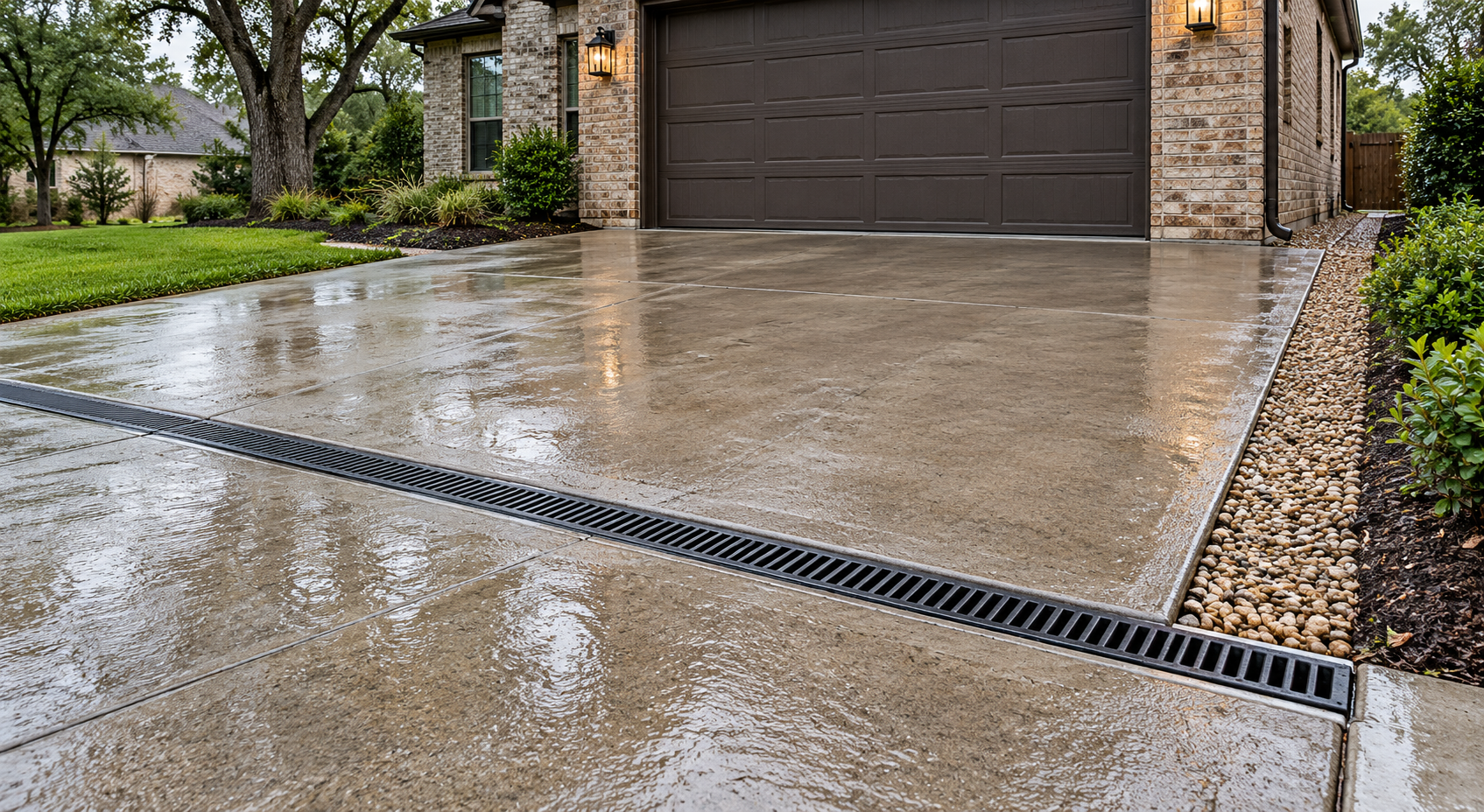
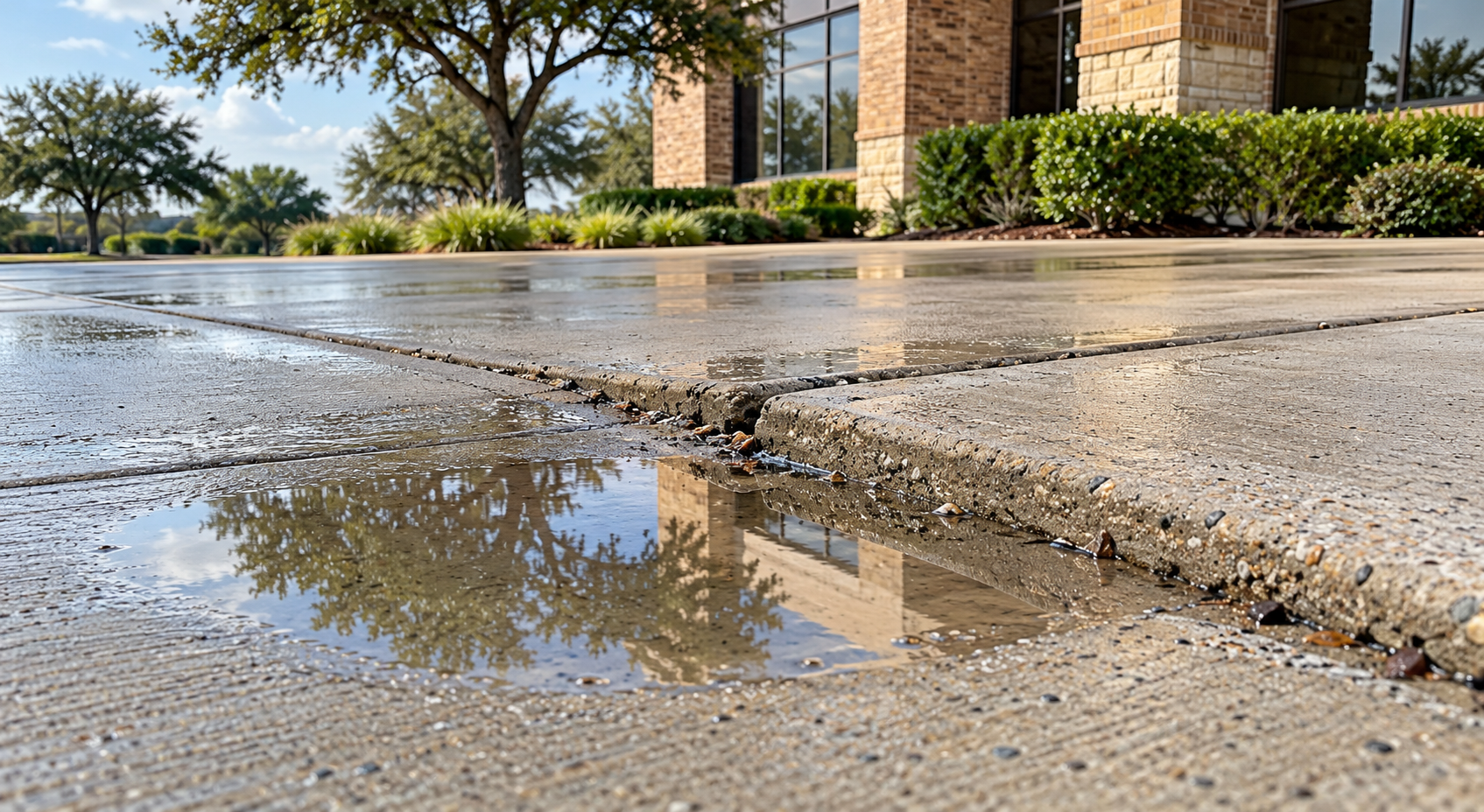
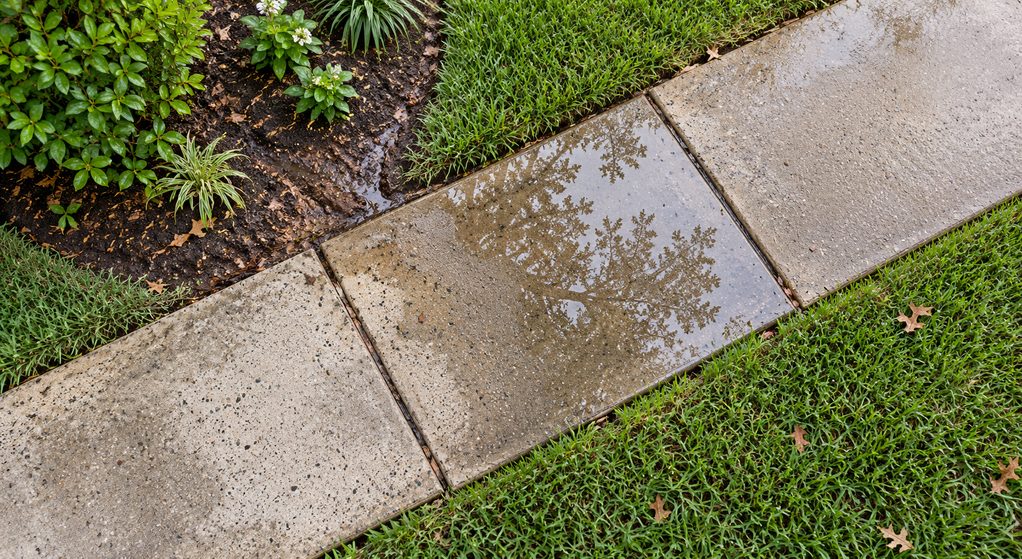
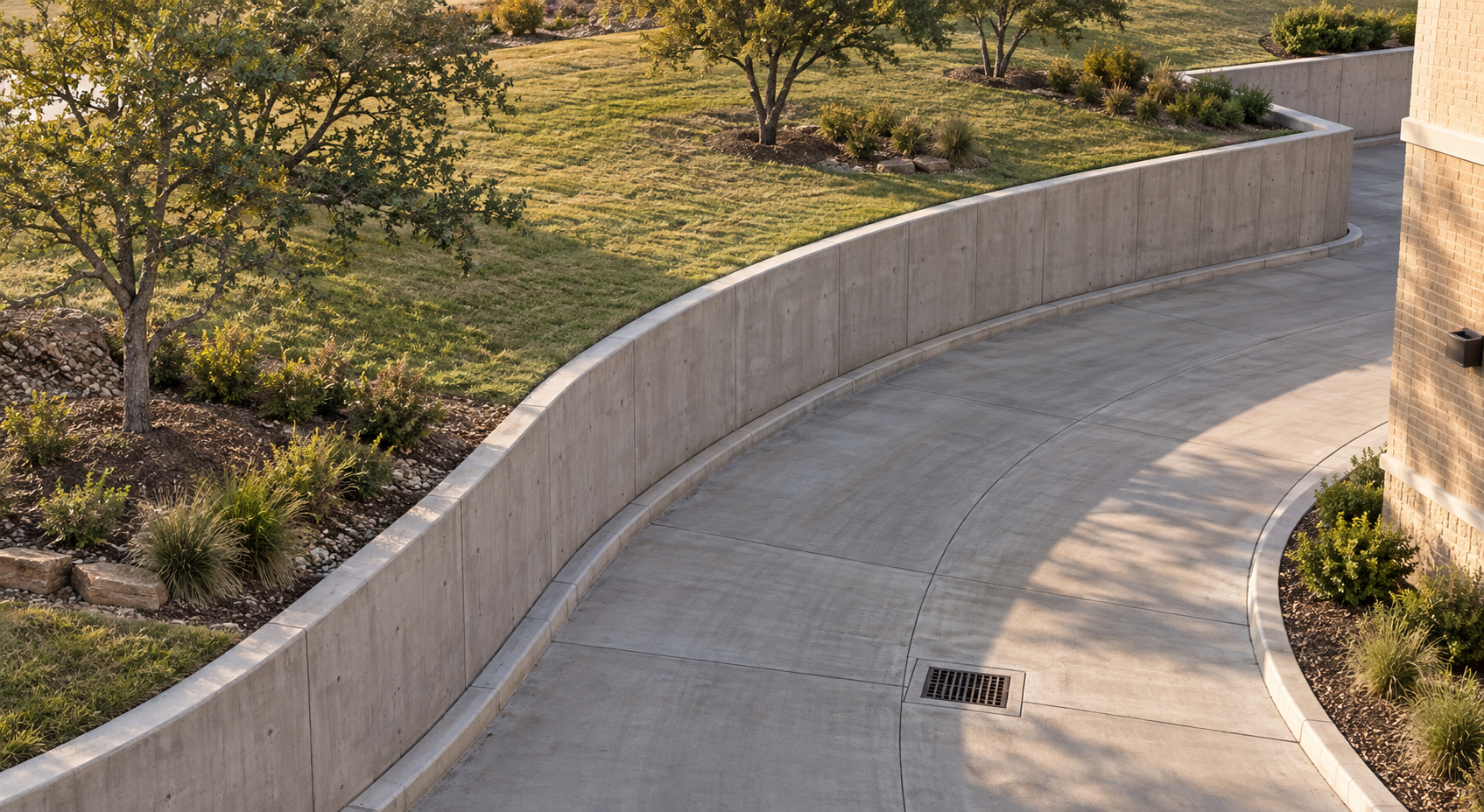
Water does not need to pour over a retaining wall to cause trouble. Rainfall, irrigation, and runoff can soak the soil behind it, adding pressure that the wall must resist. Effective drainage intercepts that water, moves it downward, and gives it a controlled route away from the structure.
Anyone evaluating
retaining wall construction and repair services in Fort Worth should ask how the wall will handle both surface runoff and water within the backfill. A visible drain opening is useful only when the materials behind it and the final discharge point also work correctly.
Fort Worth Concrete Contractors is a family-owned company led by Lahi Kautai, with more than 20 years of hands-on concrete experience across the Dallas-Fort Worth area.
Why Water Pressure Matters
Soil naturally pushes sideways against a retaining wall. When water fills spaces within the backfill, it can add hydrostatic pressure and increase the demand on the wall. Saturated soil may also lose strength or move differently from dry soil.
The
Federal Highway Administration’s retaining-wall design guidance identifies pipe drains, gravel drains, perforated drains, geosynthetic drains, and crushed-rock backfill as ways to reduce hydrostatic pressure. It also warns that weep holes alone do not assure fully drained conditions. Drainage therefore needs to function as a system rather than a single feature.
What Each Drainage Component Does
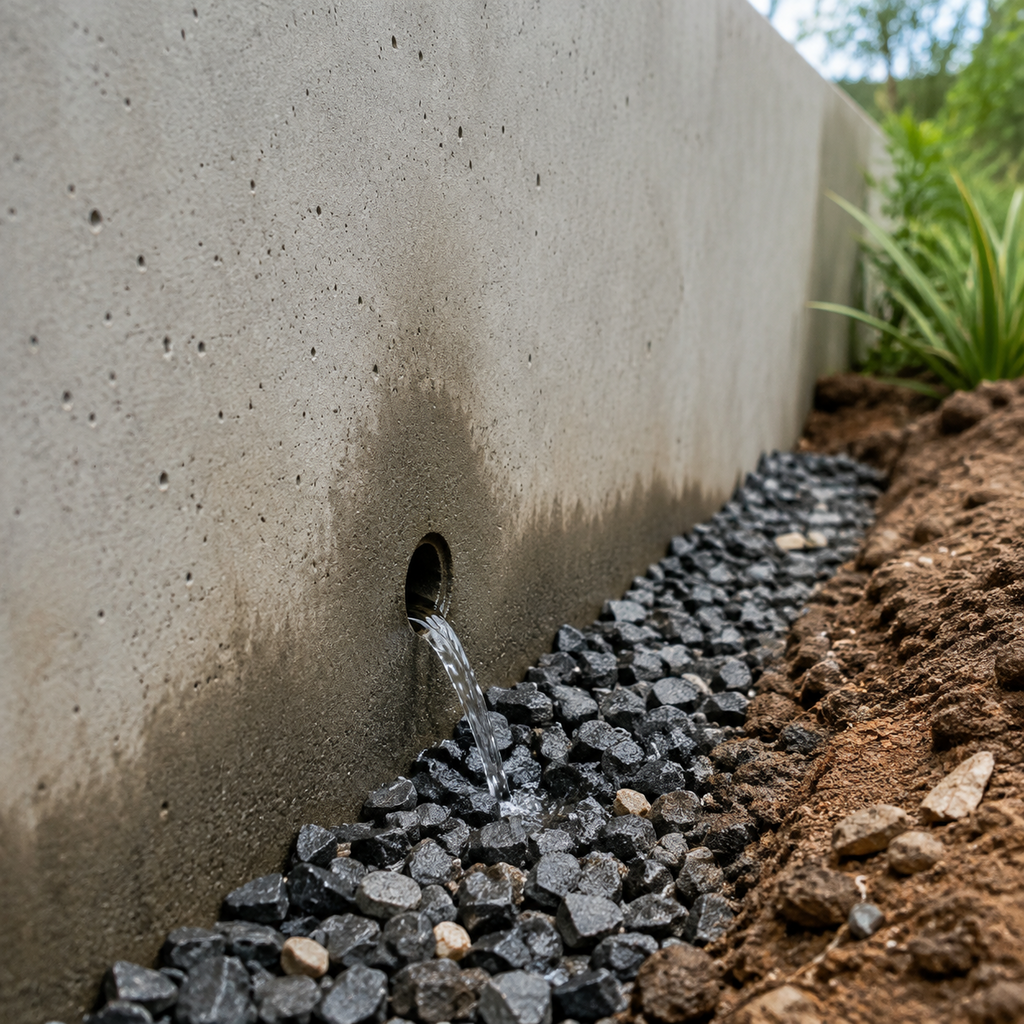
Weep Holes Release Water Through the Wall Face
Weep holes are openings placed through certain concrete or masonry walls. They let collected water escape instead of remaining trapped behind a solid face. Their location, spacing, and size must follow the wall design.
A clear hole does not prove that the backfill drains well. Random drilling can damage reinforcement or release fine soil, so the construction of an existing wall should be understood first.
Gravel Creates a Free-Draining Zone
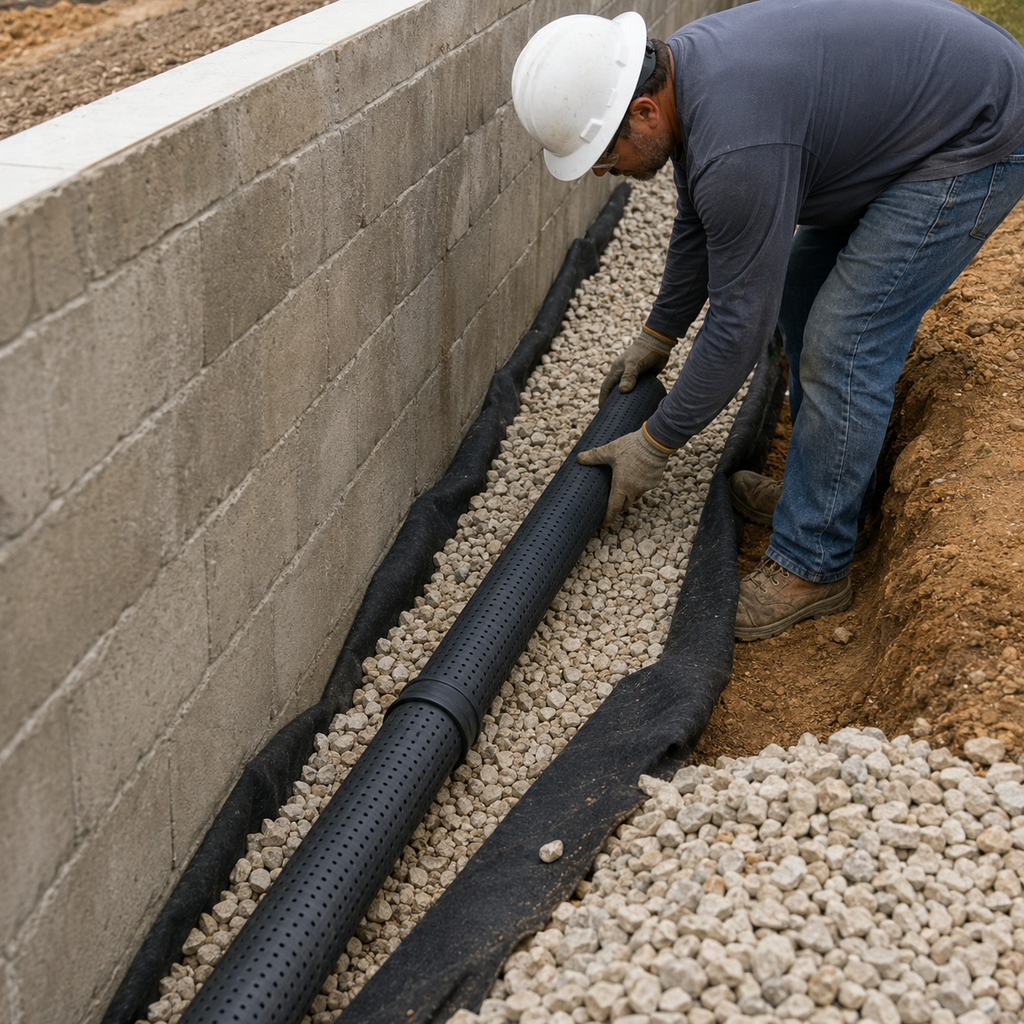
Clean drainage gravel contains connected spaces that allow water to move more readily than it can through compacted clay. Placed behind the wall, it directs moisture down toward a pipe or outlet and separates slow-draining native soil from the wall face.
Fine soil can gradually fill the gravel’s open spaces, reducing its ability to drain.
A Perforated Pipe Collects and Carries Water Away
A perforated drainpipe is commonly installed near the base of the drainage zone. Water enters through the perforations and follows the pipe’s slope to a suitable outlet. A pipe that is crushed, clogged, disconnected, or installed without adequate fall can drain poorly and allow water to remain in the system.
The outlet should not send water back toward the wall, erode the footing, or create another drainage problem. Pipe size, slope, and outlet protection depend on the site.
Filter Fabric Keeps Soil Separate
Appropriate geotextile fabric can separate native soil from drainage gravel while allowing water to pass. This limits fine particles entering the gravel and pipe. The fabric must suit the soil and wall design because an unsuitable or poorly placed product can restrict flow.
How the Parts Work Together
During rain, grading should direct as much surface runoff away from the retained area as practical. Water that enters the soil moves into the gravel zone, drops toward the perforated pipe, and travels to the outlet. Weep holes may provide additional pressure relief in wall systems designed to use them.
If water still stands behind the wall, the cause may be upstream of the visible outlet. Why Is Water Pooling Behind My Retaining Wall in Fort Worth? explains how grading, irrigation, clay soil, and blocked drainage components can contribute to recurring saturation.
Fort Worth Conditions and Common Installation Mistakes
Clay-rich soils are common across North Texas, although conditions vary by property. Clay generally drains more slowly than clean gravel and changes volume as moisture levels rise and fall. Drainage and backfill selection therefore matter during shifts from dry weather to heavy rainfall.
Common mistakes include placing native clay directly against the wall, installing a pipe without continuous fall, burying an inaccessible outlet, and allowing downspouts or pavement to discharge behind the wall. One feature cannot compensate for the others. More weep holes will not fix clogged backfill, and a larger pipe will not correct grading that continually sends runoff toward the wall.
Warning Signs the Drainage System Is Not Working
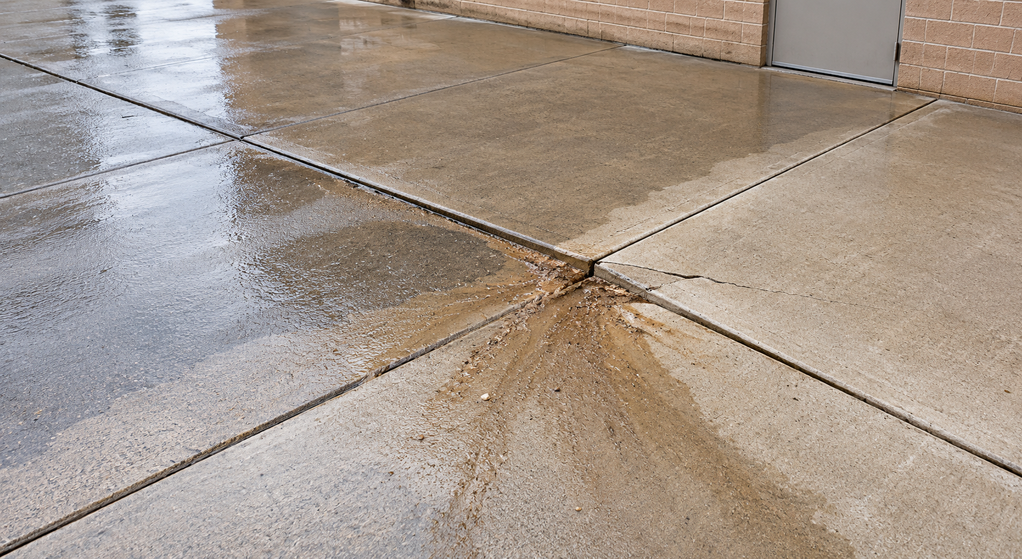
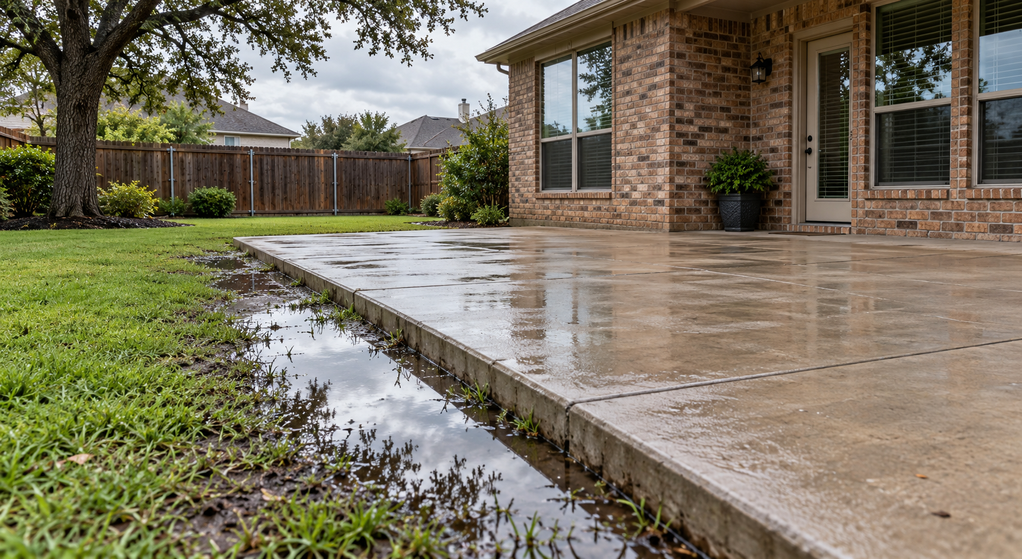
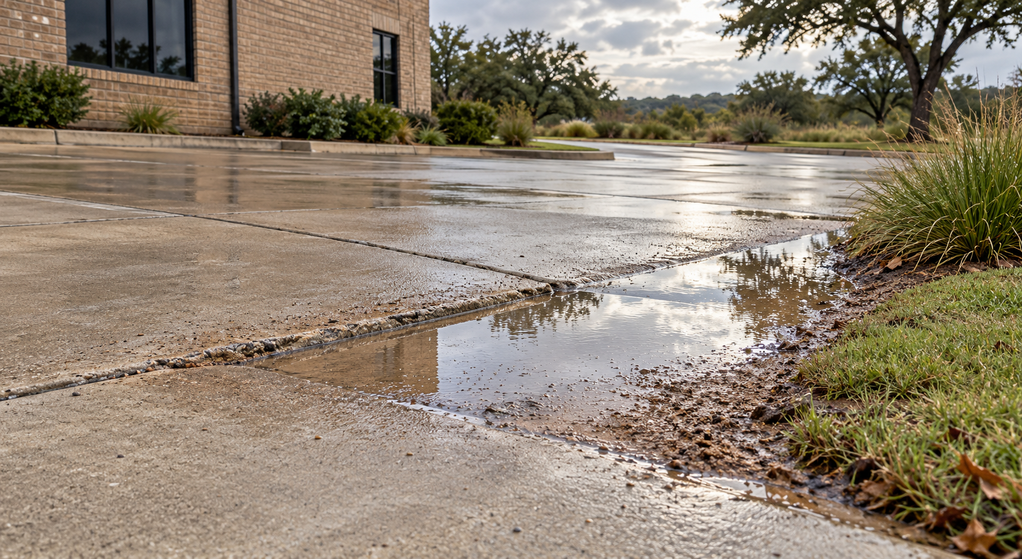
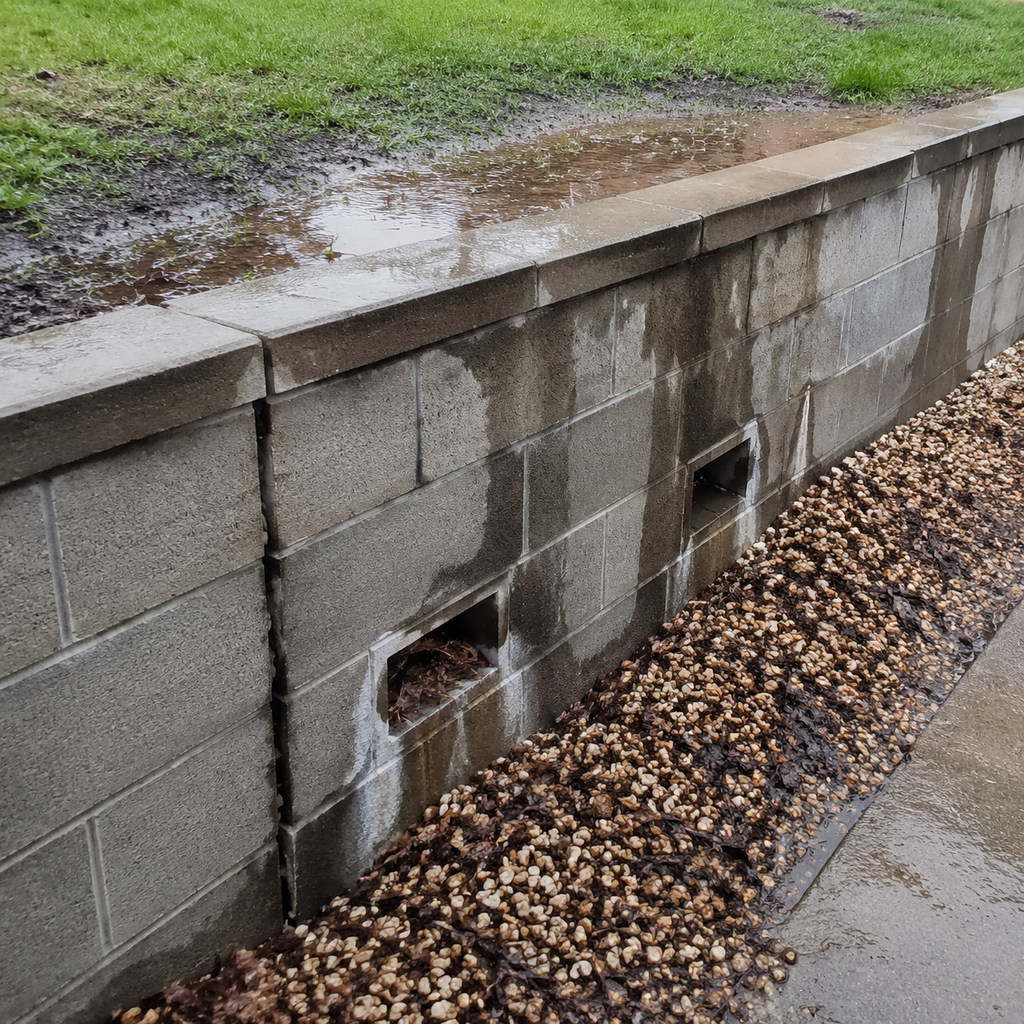
Check the wall after rainfall. Standing water above it, prolonged soggy soil, muddy flow from joints, little discharge from the pipe, erosion at the outlet, mineral staining, or soil washing through openings may indicate a drainage problem. Leaning, bowing, widening cracks, separated blocks, and sinking ground suggest that water or soil movement may already be affecting the structure.
The guide Fort Worth Retaining Wall Repair: Warning Signs to Watch For explains when drainage symptoms may be connected to structural distress. Rapid movement, falling materials, or damage near an occupied area calls for prompt professional evaluation.
What to Confirm Before Construction or Repair
A useful drainage plan should identify the water source, surface grading, backfill, separator material, pipe location, and discharge point. It should also account for wall height and type, soil conditions, nearby loads, utilities, and future access.
For an existing wall, investigate the full water path before patching cracks or sealing the face. A surface repair may hide evidence without reducing pressure behind the wall.
Plan the Drainage as Part of the Wall
Weep holes, gravel, pipe, fabric, grading, and outlets perform different jobs. Their value comes from working together. A site-specific plan that controls incoming runoff and provides a dependable exit for subsurface water gives a retaining wall a better chance of remaining stable through Fort Worth’s changing moisture conditions.

Written By:
Kurt Manalastas
Home & Property Research Journalist
Kurt is a Home & Property Research Journalist who creates educational content on home services, property improvement, and residential decision-making. He turns contractor experience, industry standards, and verified research into clear, practical guidance that helps homeowners understand their options and make informed decisions.