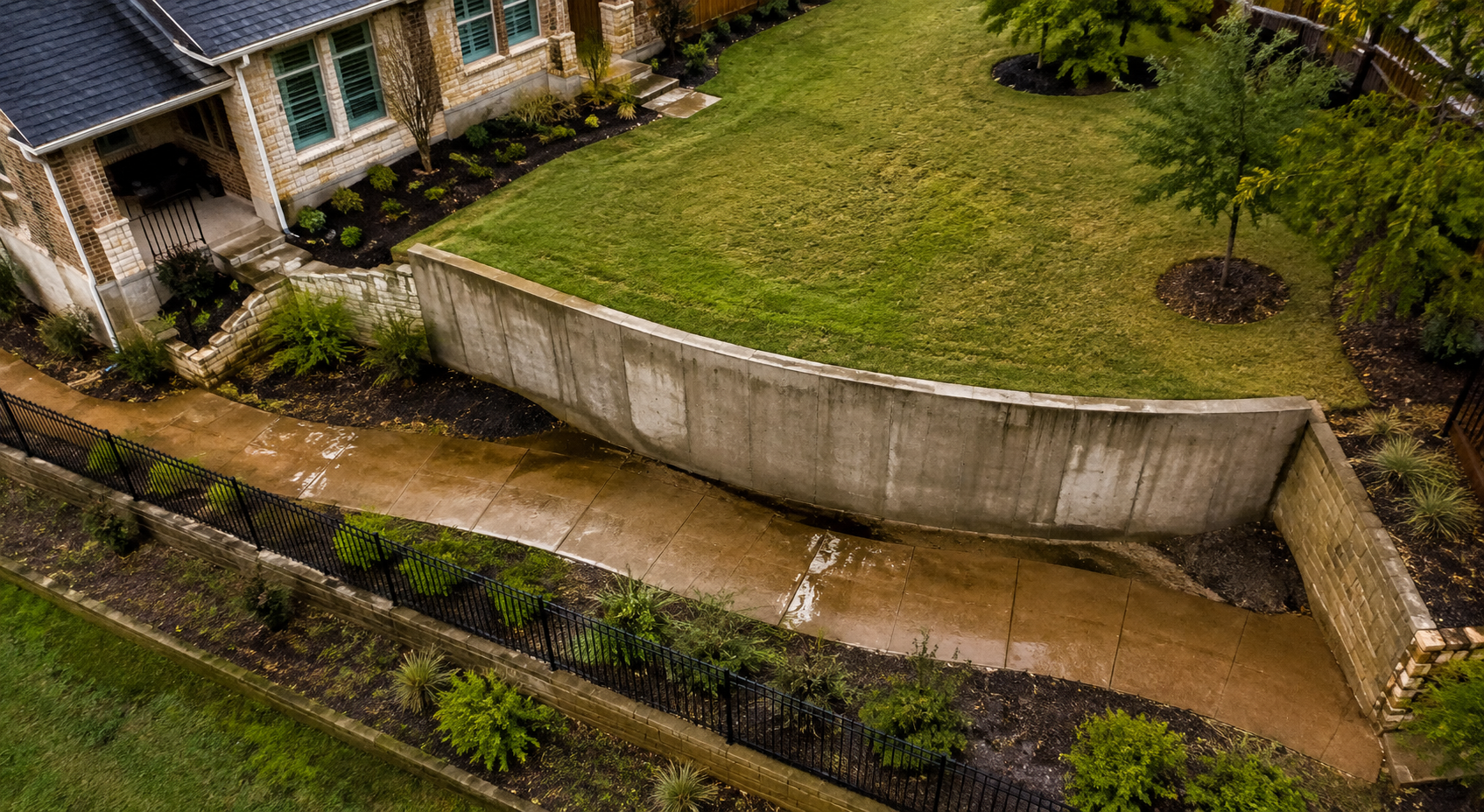
Before It Gets Worse
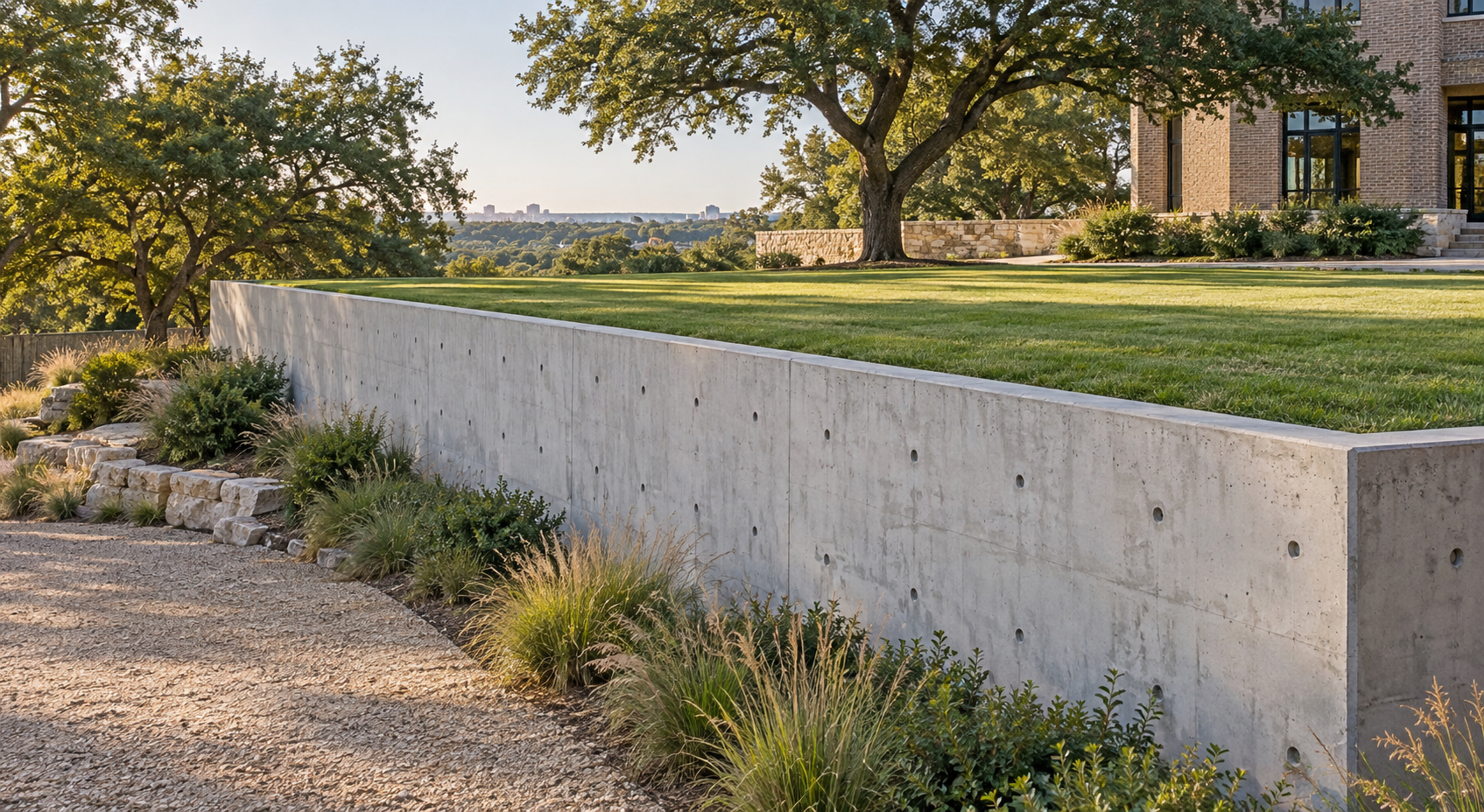
Leaning or bowing sections, widening cracks, trapped water, erosion, uneven courses, and shifting soil are the clearest signs that a Fort Worth retaining wall needs attention. Early inspection can identify whether drainage improvements, base repairs, reinforcement, partial rebuilding, or full replacement is necessary before the damage becomes hazardous.
Retaining walls rarely fail without warning. They usually show signs of distress long before a section collapses or the soil behind it begins to move. Homeowners comparing retaining wall services in Fort Worth should understand that cracks, leaning sections, poor drainage, and erosion are not harmless cosmetic issues. They often indicate that the wall is losing its ability to resist soil and water pressure.
Fort Worth properties require particular attention because North Texas soil can expand when wet and shrink during dry periods. Repeated moisture changes stress footings, wall materials, and drainage systems. Based on more than 20 years of hands-on concrete work across the Dallas-Fort Worth Metroplex, we have seen small defects become costly structural problems when owners waited too long to investigate them.
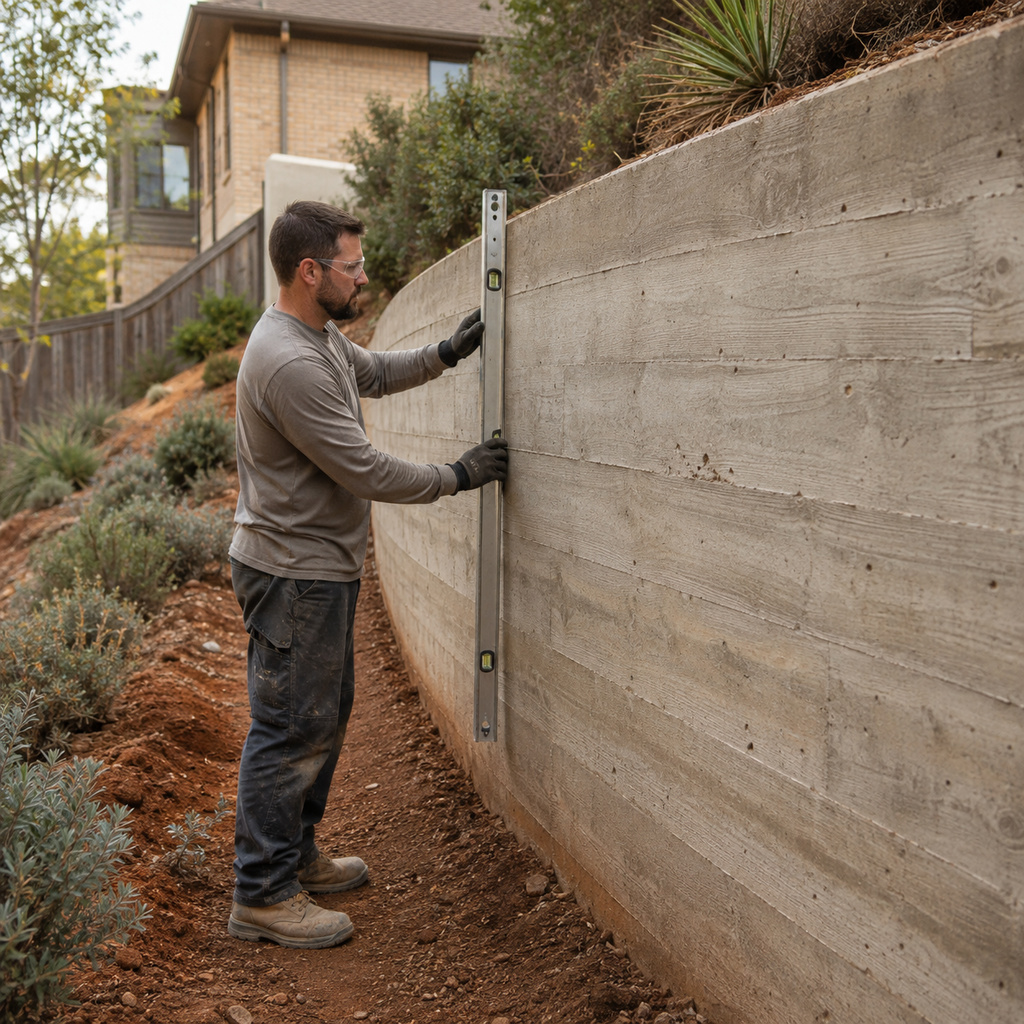
A Retaining Wall That Is Leaning or Bowing
A retaining wall should remain stable and reasonably straight. When the top begins leaning away from the soil it supports, pressure behind the wall may be exceeding its structural capacity. Bowing in the middle is another serious warning sign.
Some property owners try to push a leaning wall back into place or hide the movement with landscaping. That does not correct the cause. The wall may have inadequate reinforcement, a weak footing, excessive backfill pressure, or poor drainage.
Localized repair may reduce cost and disruption when the remaining structure is sound, while reconstruction may be more appropriate when the original wall or foundation is no longer dependable.
Based on retaining-wall work across the Dallas-Fort Worth Metroplex, Fort Worth Concrete Contractors has seen that a slightly displaced section may sometimes be repairable when the underlying drainage, footing, or support problem can be corrected. A wall with widespread bowing, footing rotation, or rapid movement may require more extensive reconstruction.
Cracks That Widen or Separate
Not every small crack means a retaining wall is failing. Concrete can develop minor shrinkage cracks as it cures, and masonry joints may show surface wear. The warning sign is continued movement.
Horizontal cracks can indicate pressure behind the wall. Stair-step cracks often point to uneven settlement. Gaps between sections suggest that parts of the structure are moving independently. Cracks that become wider after heavy rain or seasonal soil changes deserve prompt attention.
In our work, we have seen repairs fail because only the visible crack was patched. Surface filler may limit water entry temporarily, but it cannot stabilize moving soil or correct a settling footing. The cause must be identified first.
For a broader understanding of how retaining walls function and what affects their performance, see our
complete guide to retaining walls.
Water Pooling Behind the Wall
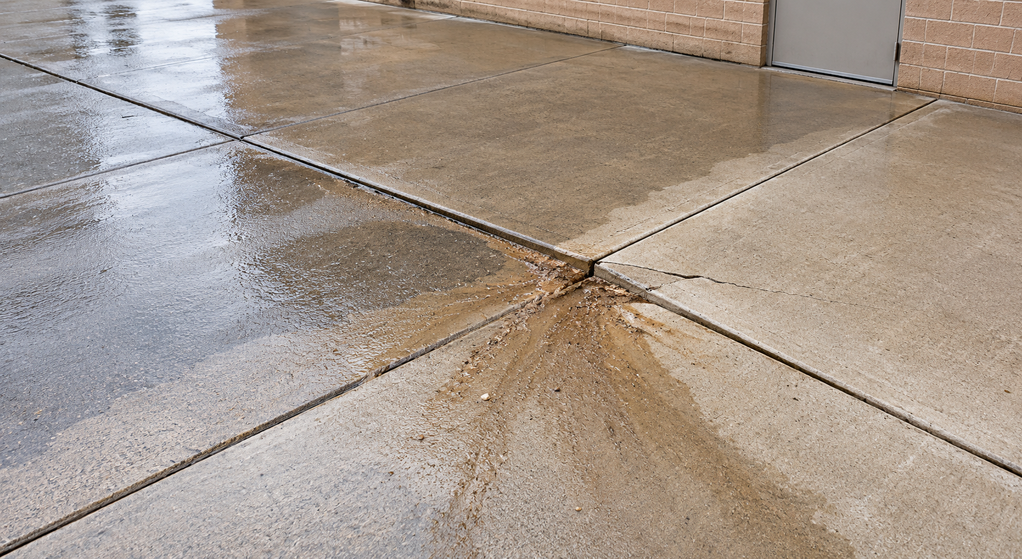
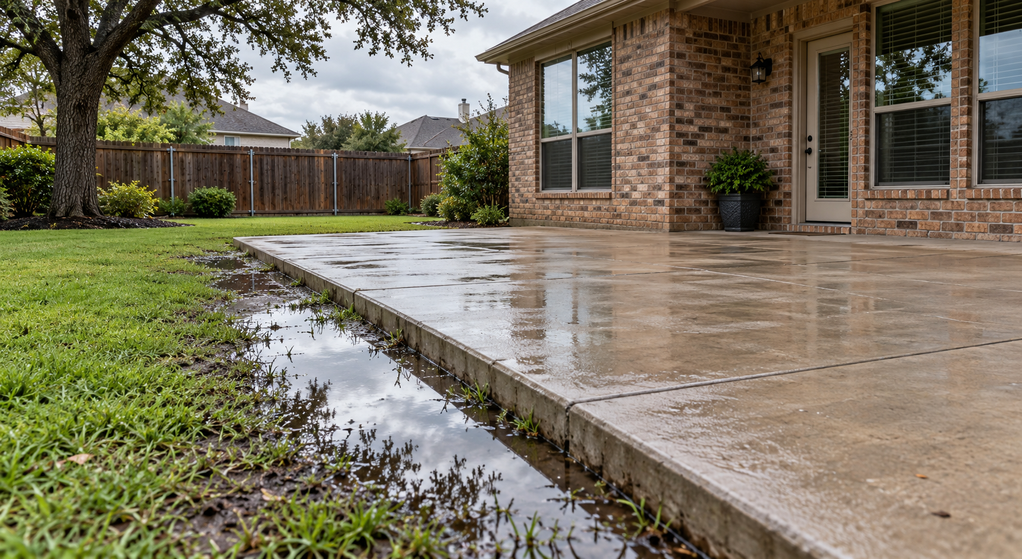
Poor drainage is one of the most common causes of retaining wall damage in Fort Worth. Saturated soil becomes heavier, while trapped water adds hydrostatic pressure behind the structure. Texas Department of Transportation retaining-wall guidance notes that rainfall, groundwater, backfill conditions, and loss of backfill can affect retaining-wall stability and should be evaluated when movement develops.
Watch for standing water above the wall, steady seepage through joints, muddy discharge, blocked outlets, or soil that remains wet long after rainfall. White mineral deposits may also indicate repeated moisture movement.
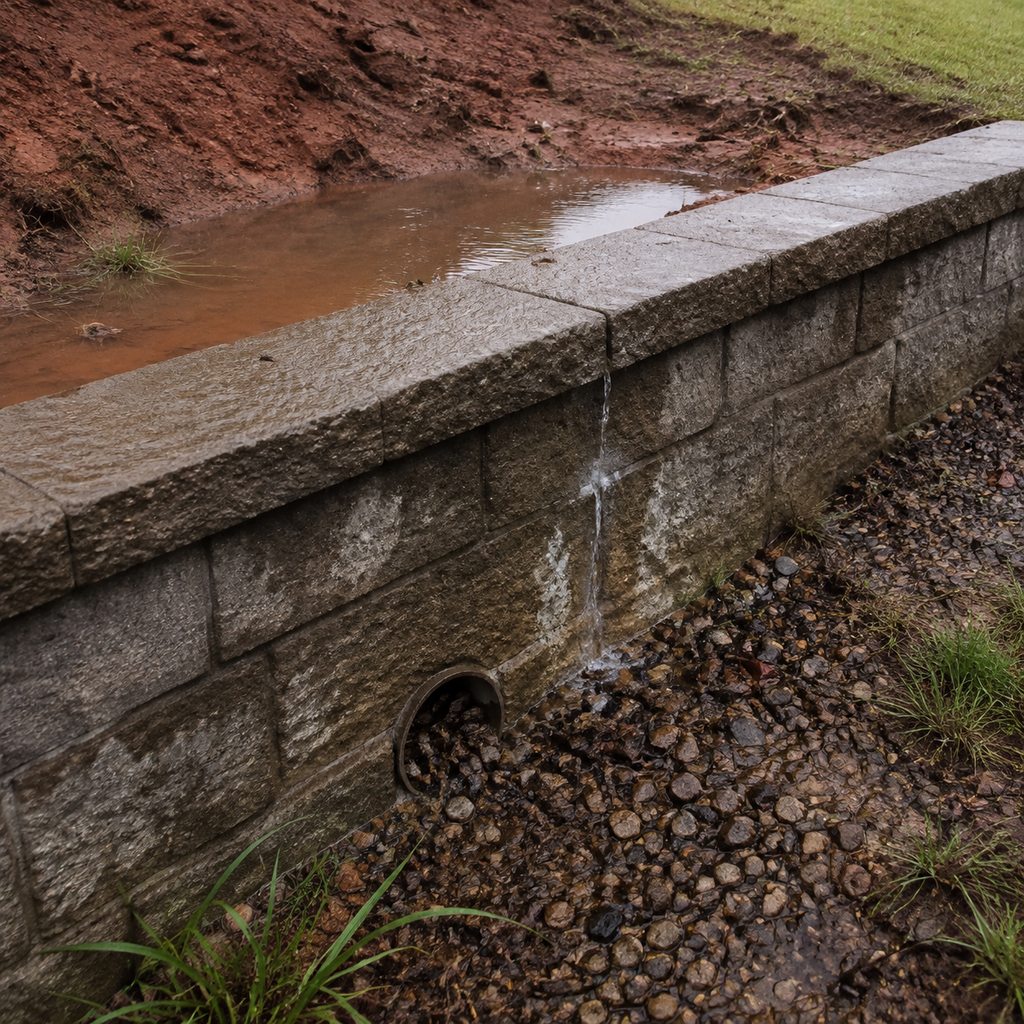
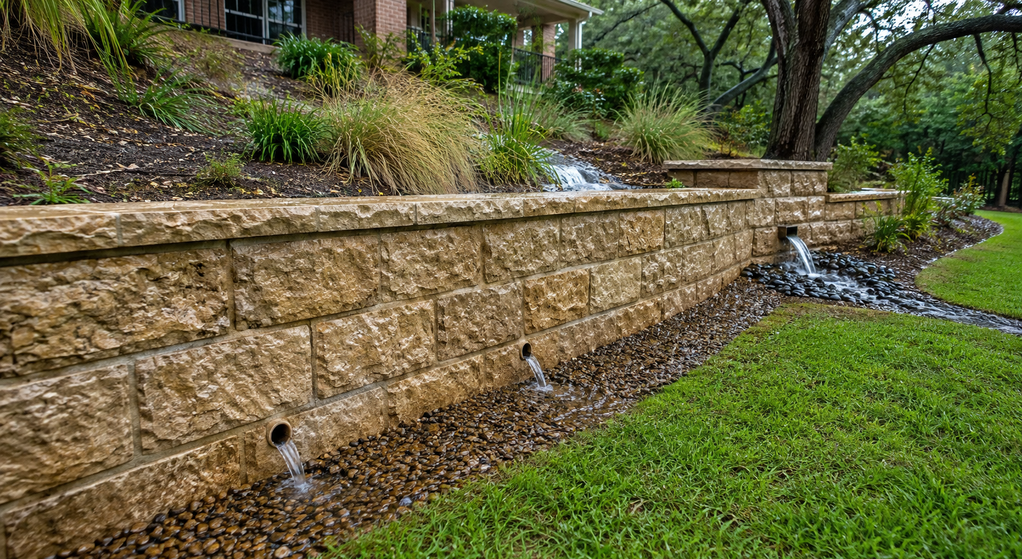
The repair must address the water path. Depending on the wall, this may involve clearing weep holes, replacing a damaged drainpipe, adding drainage gravel, improving grading, or rebuilding part of the backfill system. Sealing only the front face can trap more moisture and worsen the pressure.
Soil Erosion Near the Base
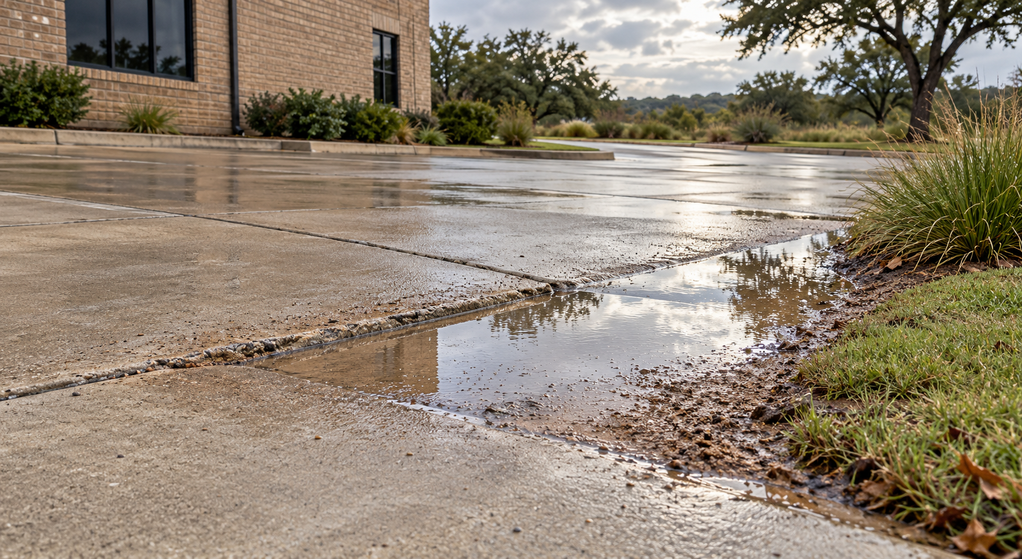
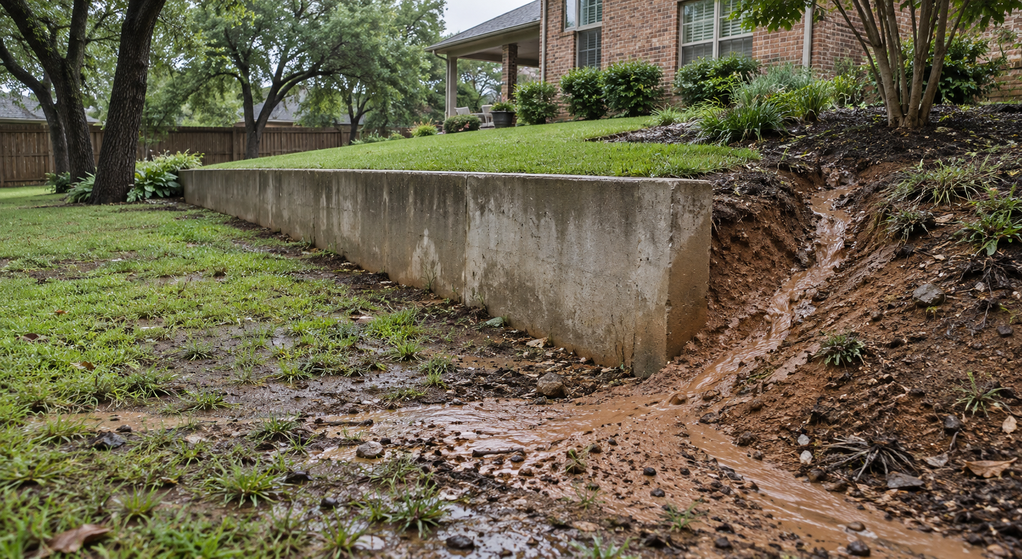
Erosion removes the support a retaining wall depends on. Warning signs include exposed footing edges, runoff channels, missing soil beneath blocks, small sinkholes, or sediment collecting downhill. To better understand how retaining walls protect foundations, it's important to recognize how erosion and poor drainage can undermine structural stability.
Fort Worth storms can produce heavy rainfall over a short period. Runoff may travel along the wall, wash out the base, or carry fine soil through gaps. Expansive clay can worsen the problem because dry-weather cracks may let water travel deeper when rain returns.
Adding loose dirt is rarely enough. Replacement material must be compacted correctly, and runoff must be redirected. Otherwise, the same area may wash out again.
Sinking or Uneven Wall Sections
A dipping wall cap, misaligned block course, or lower section can indicate foundation settlement. Common causes include weak soil, poor compaction, underground water movement, inadequate base preparation, or an undersized footing.
A common mistake is leveling only the top course or adding mortar to hide uneven joints. These changes improve appearance but do not restore support. The affected section may need to be dismantled so the base can be rebuilt and compacted properly.
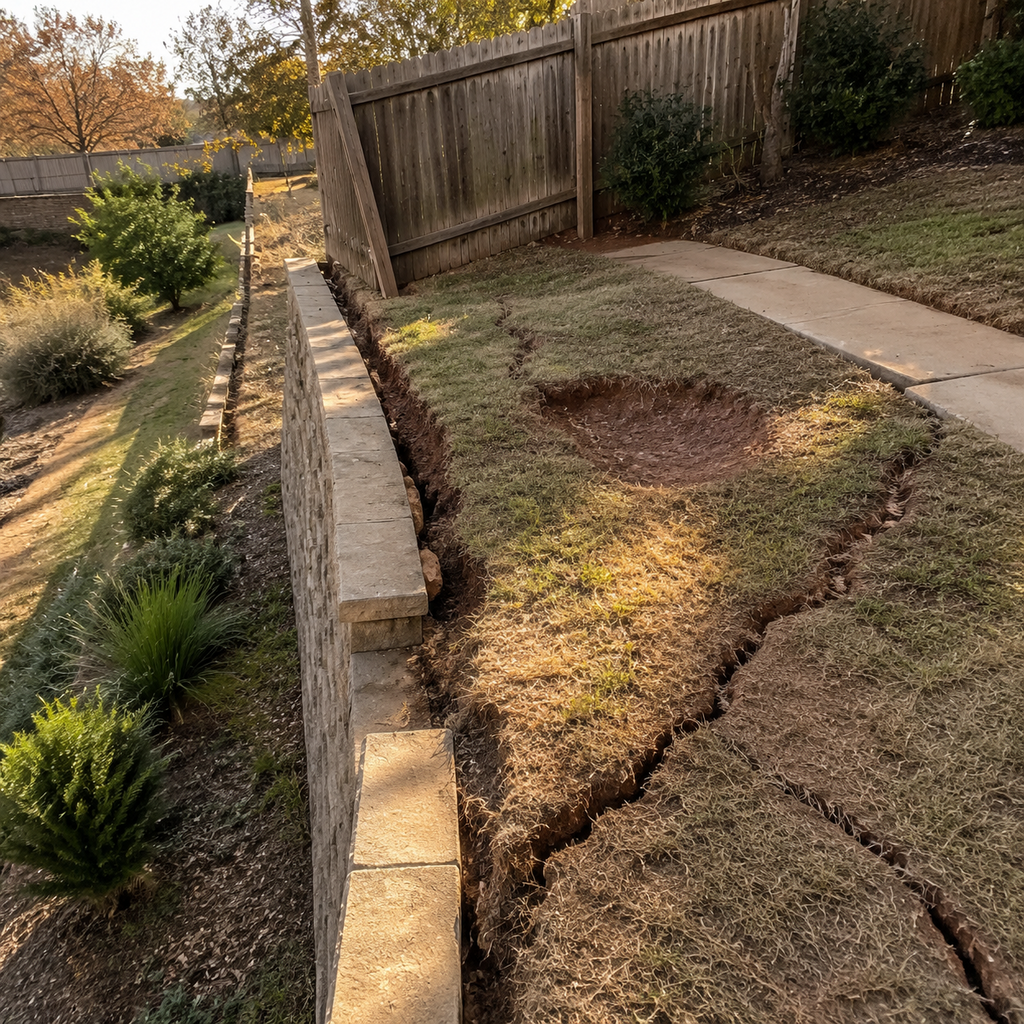
Changes in the Ground Above the Wall
The soil behind the wall often reveals problems before the wall shows severe damage. Look for ground cracks, depressions, sinking areas, soil pulling away from the wall, or water flowing toward the retained edge.
A leaning fence, shifting patio, cracked walkway, or tilting tree may indicate that the retained soil mass is moving. These signs are especially important on sloped Fort Worth properties, where drainage and gravity increase pressure.
Owners should avoid placing vehicles, storage materials, heavy landscaping, or new structures near a distressed wall. Added weight can accelerate movement.
When Retaining Wall Repair Becomes Urgent
Damage becomes urgent when it threatens a driveway, foundation, sidewalk, pool, utility line, neighboring property, or occupied area. Rapid leaning, falling blocks, severe bulging, and sudden soil movement should be treated as safety concerns.
A proper assessment should examine wall height, construction material, footing condition, drainage, crack patterns, soil moisture, backfill, and nearby loads. This prevents a cosmetic repair from being mistaken for a structural solution.
The Best Next Step
Homeowners should never wait for obvious failure before addressing retaining wall damage. Leaning sections, widening cracks, water buildup, erosion, settlement, and changes in the retained soil all suggest conditions that can worsen.
The practical next step is to document the damage, watch for changes after rainfall, and arrange a professional inspection before altering the wall. Early evaluation usually provides more repair options and a better chance of preserving the existing structure.

Written By:
Kurt Manalastas
Home & Property Research Journalist
Kurt is a Home & Property Research Journalist who creates educational content on home services, property improvement, and residential decision-making. He turns contractor experience, industry standards, and verified research into clear, practical guidance that helps homeowners understand their options and make informed decisions.