Summary
French drains intercept water moving through soil; channel drains collect surface runoff crossing concrete. Fort Worth property owners should observe where water enters, confirm grades and discharge, and evaluate nearby slabs before choosing. Neither system repairs settled concrete, and sites with both surface flow and seepage may need coordinated collection.
A drain across a driveway and a buried pipe beside a patio perform different jobs. Choosing the wrong collection method can leave the original puddle in place, even when the new pipe carries water successfully.
For projects involving commercial concrete installation in Fort Worth, drainage decisions belong alongside pavement elevations, vehicle access, and slab layout. Fort Worth Concrete Contractors provides commercial slabs, parking lots, and sidewalks, where those decisions affect everyday use. The same surface-versus-soil distinction helps homeowners evaluating driveways and patios.
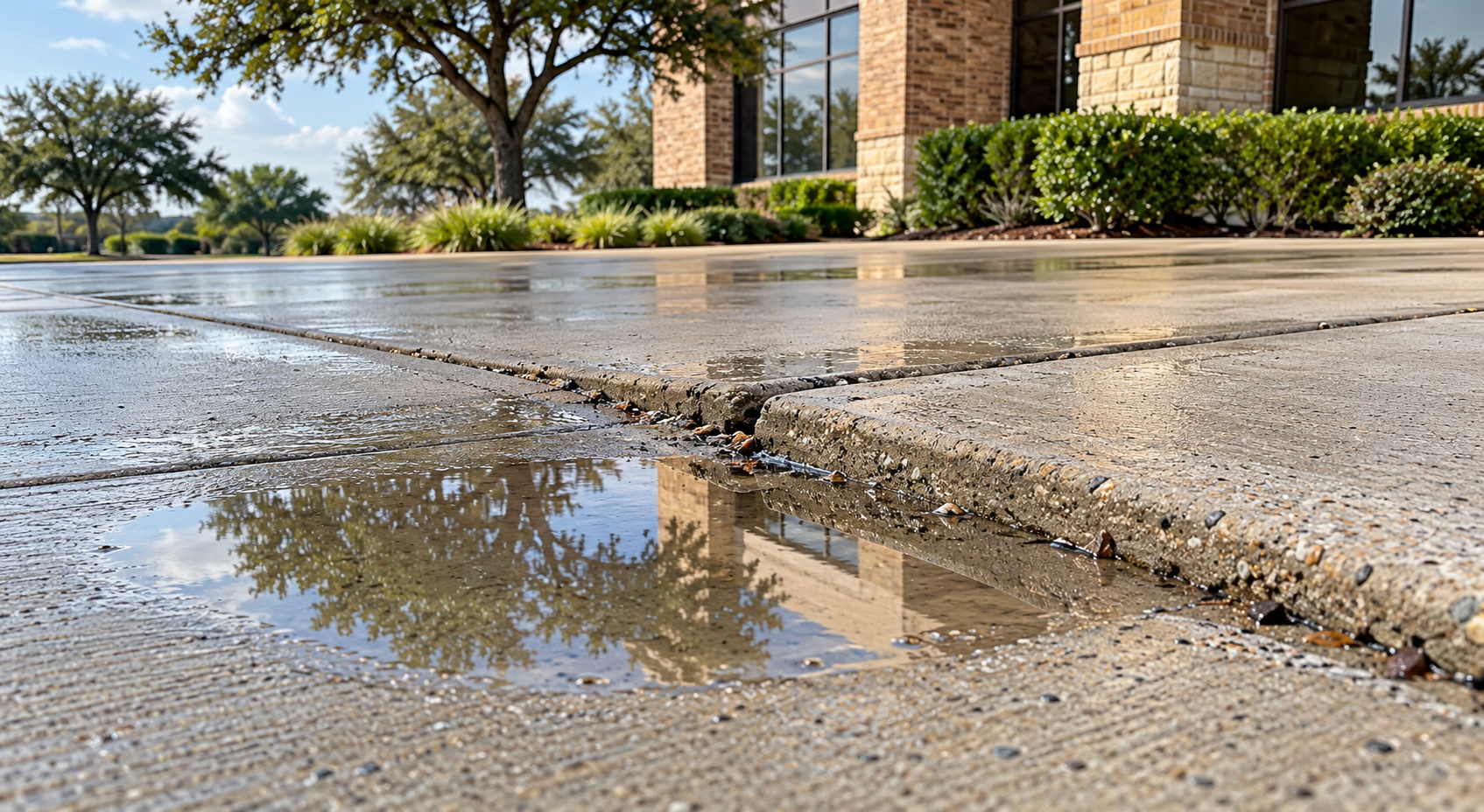
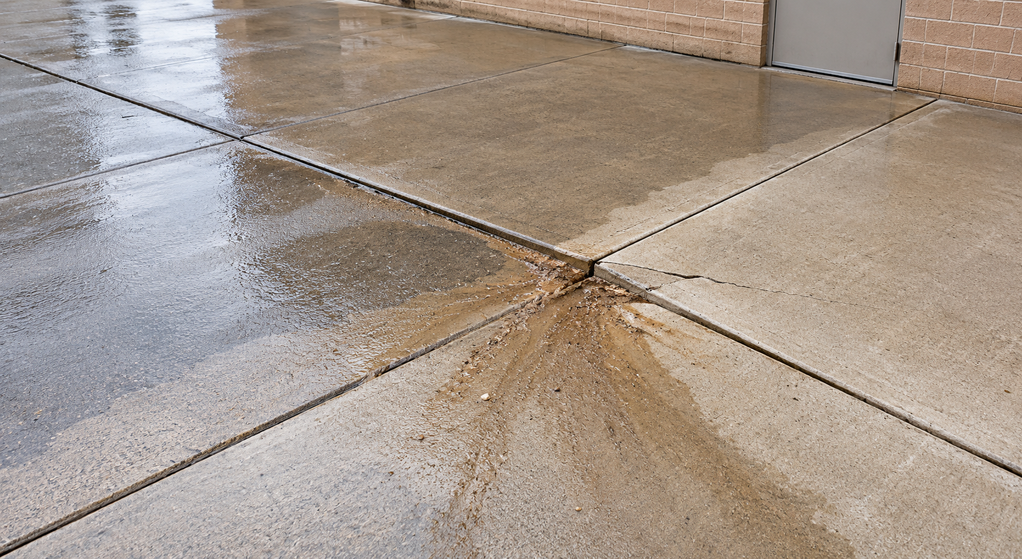
For diagnosis before construction, the existing guide on why water pools around concrete slabs and what can be done about it explains where runoff or settlement may originate. The companion guide on when water damage means your concrete needs repair addresses damage already present in the slab. Neither substitutes for the French-versus-channel collection decision.
Compare How Water Enters Each Drain
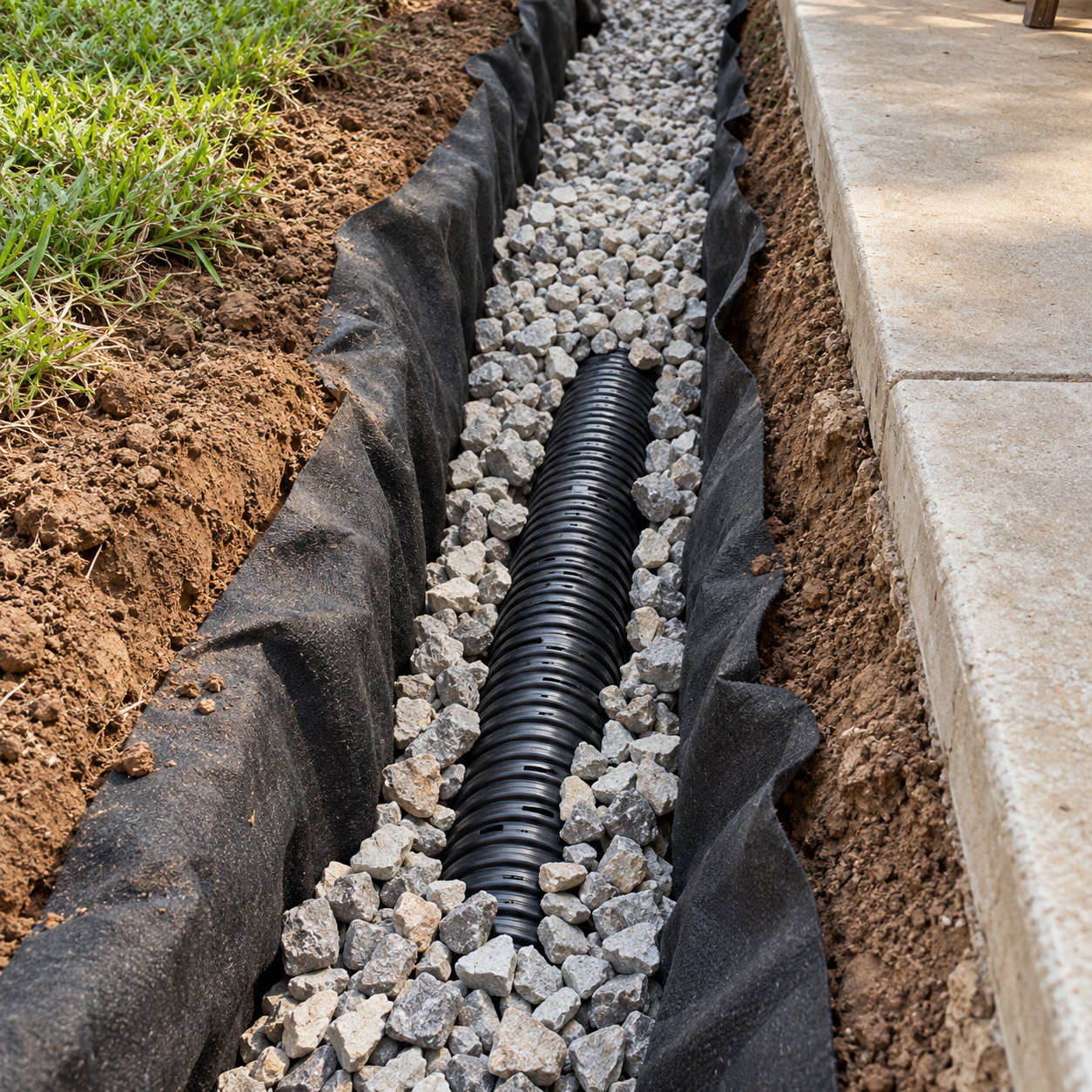
A conventional French drain has a perforated pipe surrounded by drainage aggregate, with suitable filtration to limit soil entering the system. Water moves through the surrounding material into the pipe. Its position and depth determine which wet soil zone it can intercept.
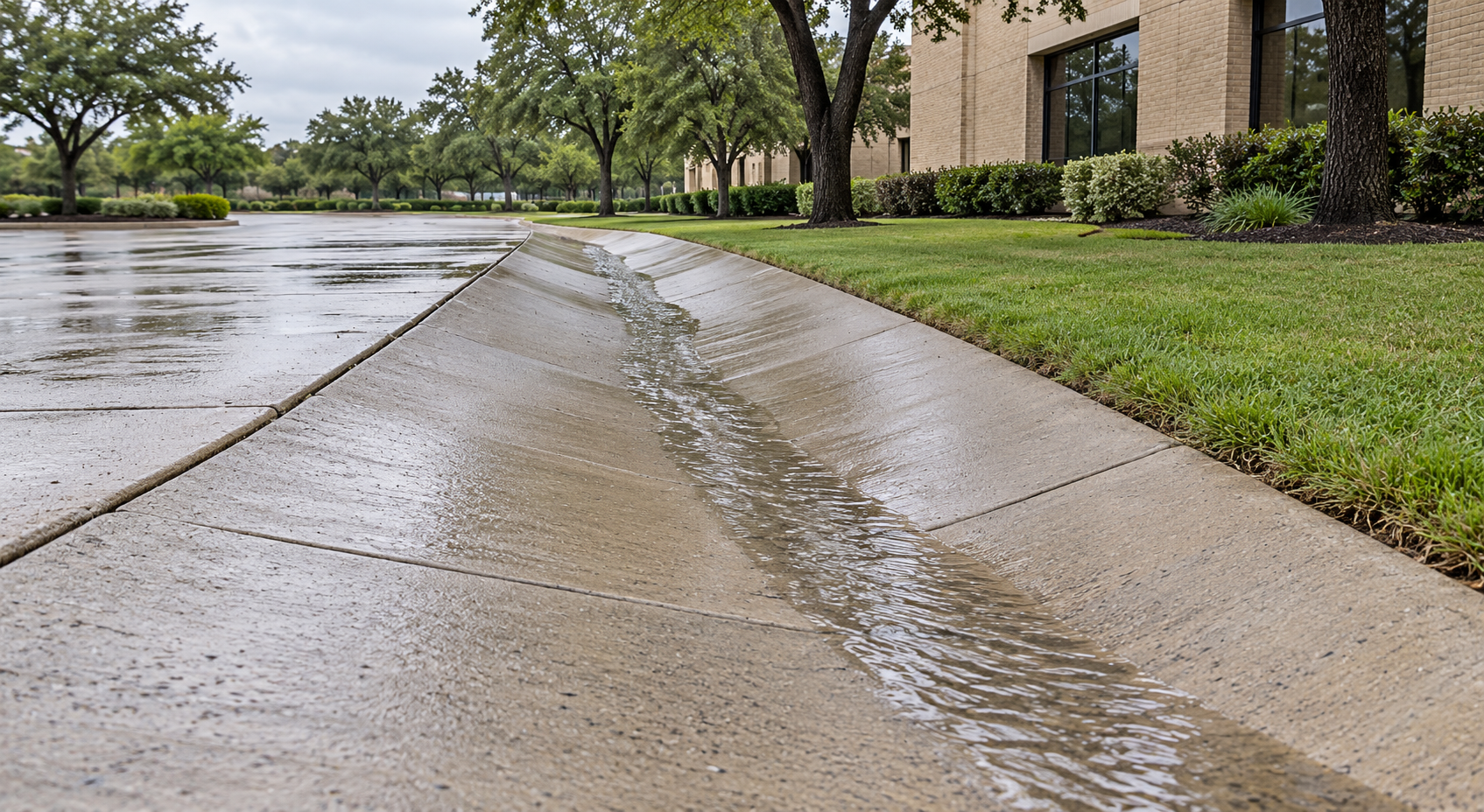
A channel drain is a long, narrow surface inlet, usually covered by a removable grate. Water flowing across paving drops into the channel and travels toward an outlet pipe. It is useful where runoff crosses a defined line, such as the approach to a garage.
| Decision factor | French drain | Channel drain |
|---|---|---|
| Main collection target | Water within surrounding soil | Runoff on the concrete surface |
| Typical location | Landscaped strip beside paving | Across or along a paved flow path |
| Visible finish | Gravel strip or restored landscaping | Linear grate or slot |
| Main installation concern | Intercepting the wet zone with suitable filtration | Setting inlet elevation and supporting traffic loads |
| Common mismatch | Buried drain expected to catch fast pavement runoff | Surface inlet expected to dry saturated soil |
A gravel-topped French drain can accept some surface water, but that does not make it interchangeable with a grated inlet designed to capture concentrated pavement runoff.
Watch the Water Before Choosing the Hardware
Observe the area during rain from a sheltered position. Note where water first appears, which direction it travels, and what remains wet afterward.
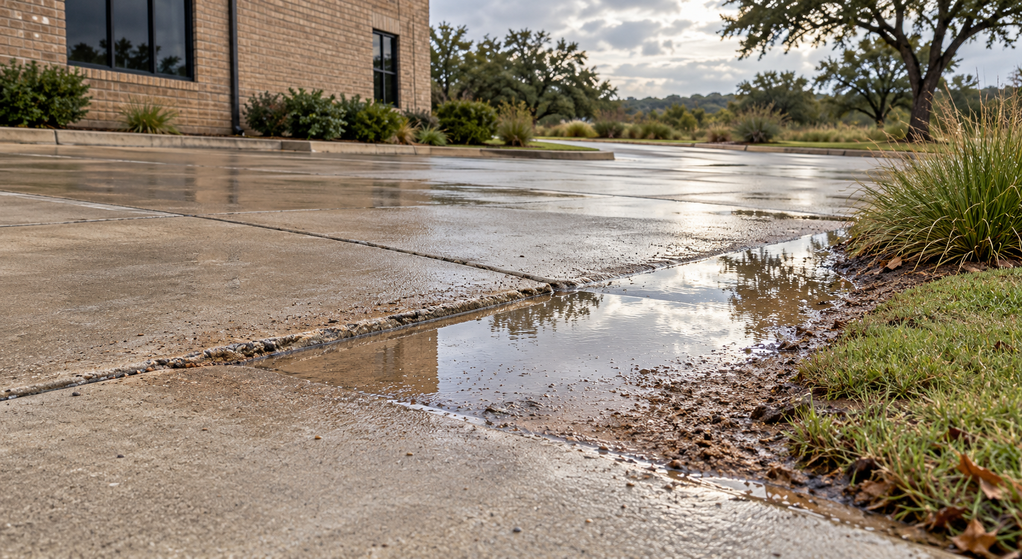
Water running down a driveway toward a garage suggests a surface-interception problem. A channel drain may fit if pavement slopes carry that water into its opening. A drain beside the driveway may miss runoff traveling down its center.
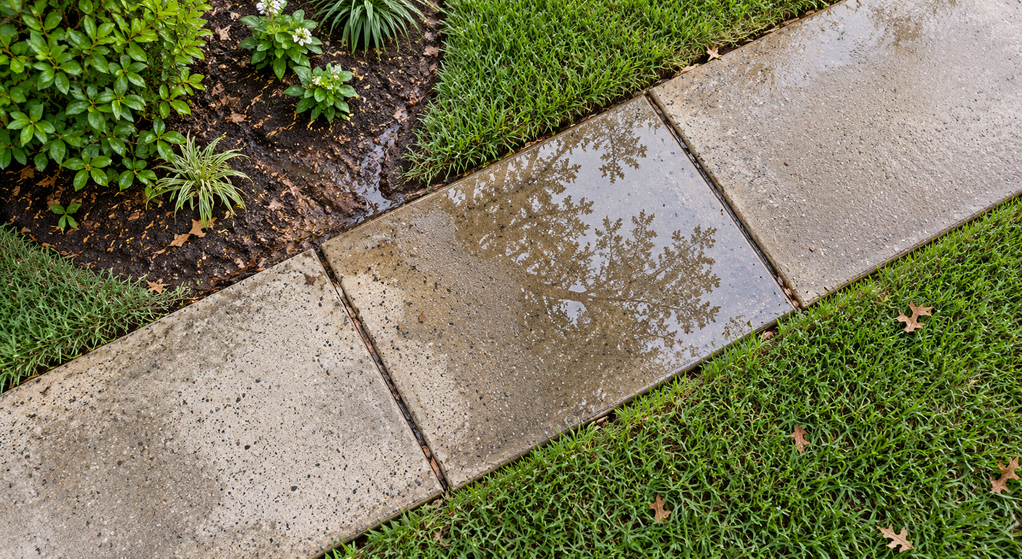
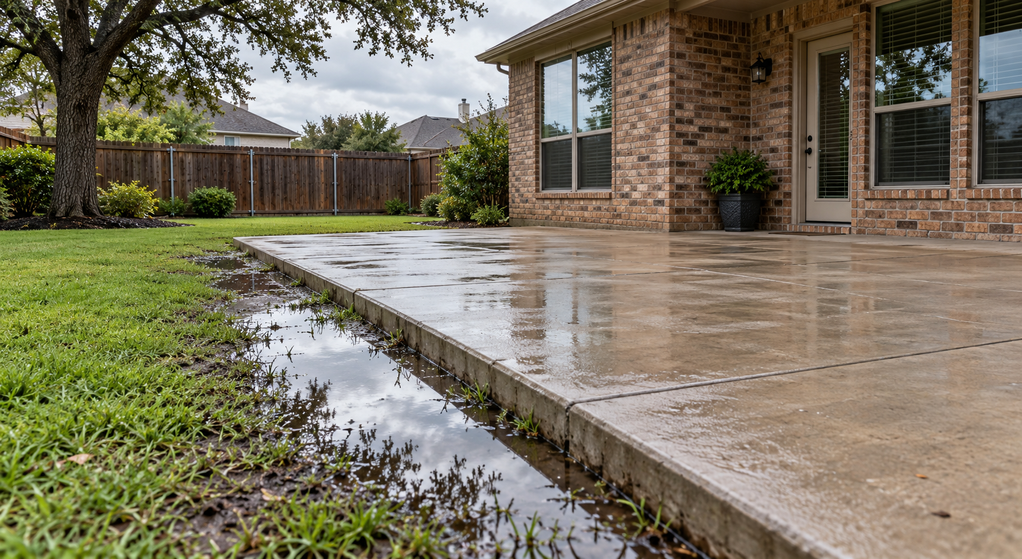
Soil that remains saturated beside a patio after the concrete dries suggests a different investigation. A French drain may help intercept subsurface seepage, but leaking irrigation, downspout discharge, or poor surface grading should also be checked.
Check the Outlet Before Committing to Either System
Both options need somewhere for collected water to go. A trench full of gravel is not an unlimited reservoir, and a long channel can overflow when its outlet cannot carry the incoming flow.
NDS’s French drain design and installation manual describes French drains as aggregate-filled trenches with perforated pipes conveying collected water to a discharge point. That discharge route is a core part of the design, not a finishing detail.
Ask the installer to identify the collection elevation, outlet elevation, connecting pipe route, and discharge location. For
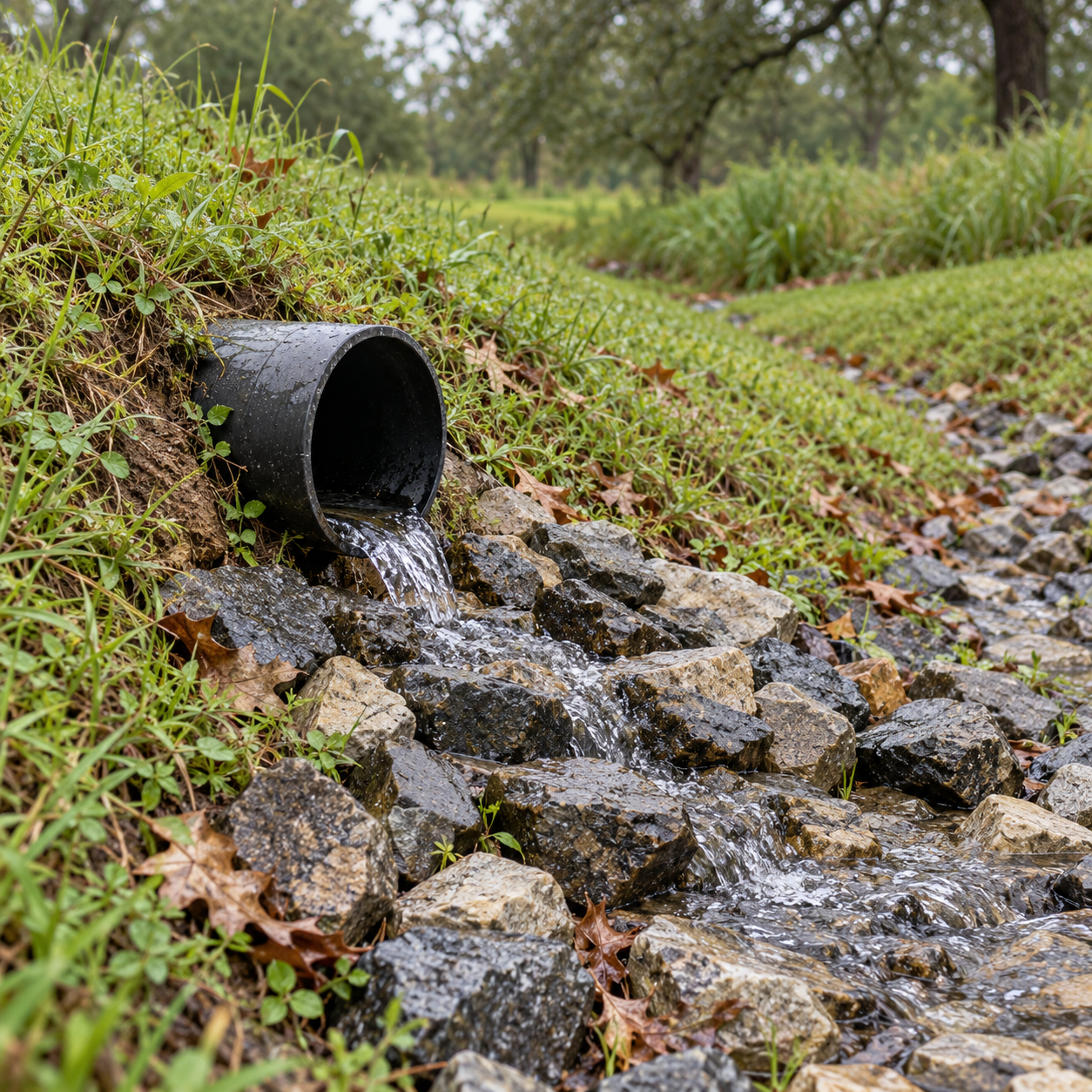
a gravity system, confirm that the available fall works across the entire route. An outlet that becomes submerged during storms can restrict drainage.
On a Fort Worth property, evaluate the actual yard and surrounding elevations rather than assuming water will soak away at the end of the pipe. Where soil absorbs water slowly, an infiltration-based outlet needs careful assessment. If gravity discharge is unavailable, the project may require a different layout or a designed pumped system.
Account for Concrete Cutting, Traffic, and Existing Damage
Retrofitting a channel drain can involve saw-cutting, removing concrete, excavating, and reconstructing the surrounding pavement. The channel, grate, and supporting installation must suit the vehicles using the area. A residential driveway and a commercial delivery entrance may require different assemblies.
Grate openings also matter where people walk, roll carts, or use mobility aids. Include these uses in product selection instead of choosing solely by appearance.
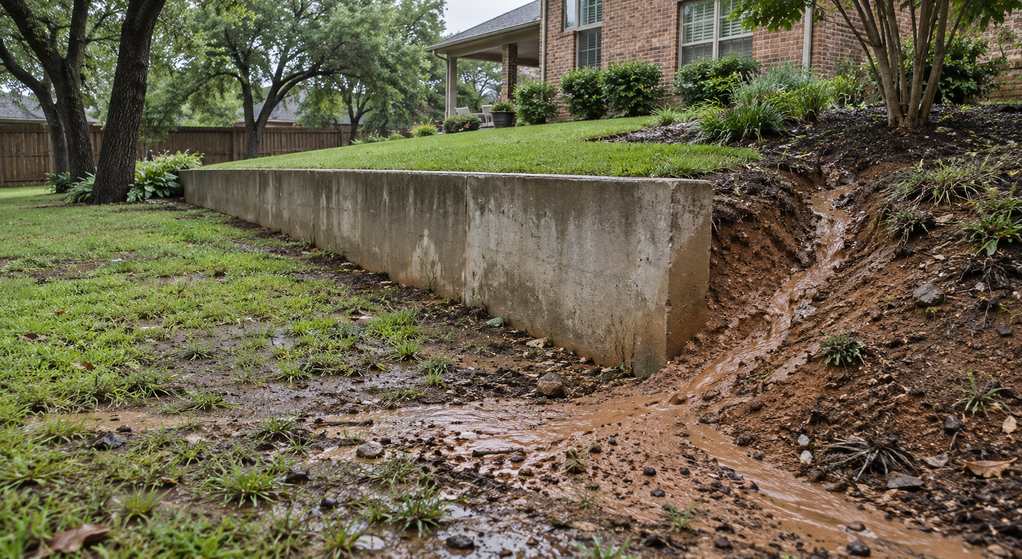
A French drain beside an existing slab may require less concrete removal, but excavation still needs planning around utilities, landscaping, and slab support. Depth should follow the water problem and site conditions, not a standard trench dimension copied from another property.
Compare Complete Proposals and Maintenance Needs
Request proposals covering collection, conveyance, discharge, concrete restoration, and maintenance access. Comparing only the price per foot hides differences in excavation, pavement replacement, and outlet work.
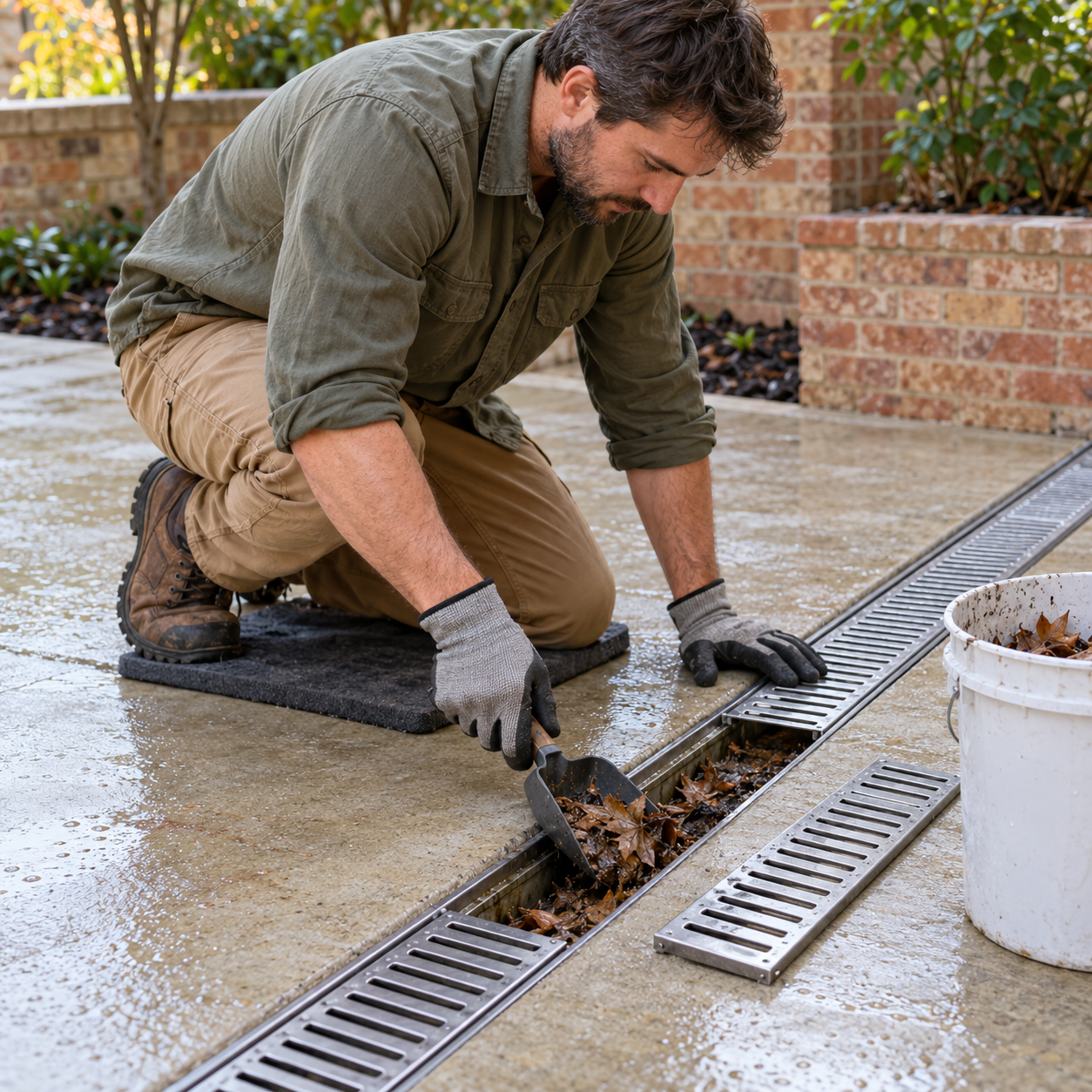
Channel drains need accessible grates so leaves and sediment can be removed. French drains need suitable filtration and planned access for inspection or cleaning; buried components are harder to reach when performance declines. Both require an outlet that remains clear.
Where pavement runoff and subsurface seepage occur together, separate collection systems may be appropriate. Any shared downstream pipe must accommodate their combined flow.
Choose a channel drain for water crossing concrete and a French drain for water moving through soil. Confirm the flow path, outlet, and slab condition before installation so the selected system addresses the actual problem.

Written By:
Kurt Manalastas
Home & Property Research Journalist
Kurt is a Home & Property Research Journalist who creates educational content on home services, property improvement, and residential decision-making. He turns contractor experience, industry standards, and verified research into clear, practical guidance that helps homeowners understand their options and make informed decisions.