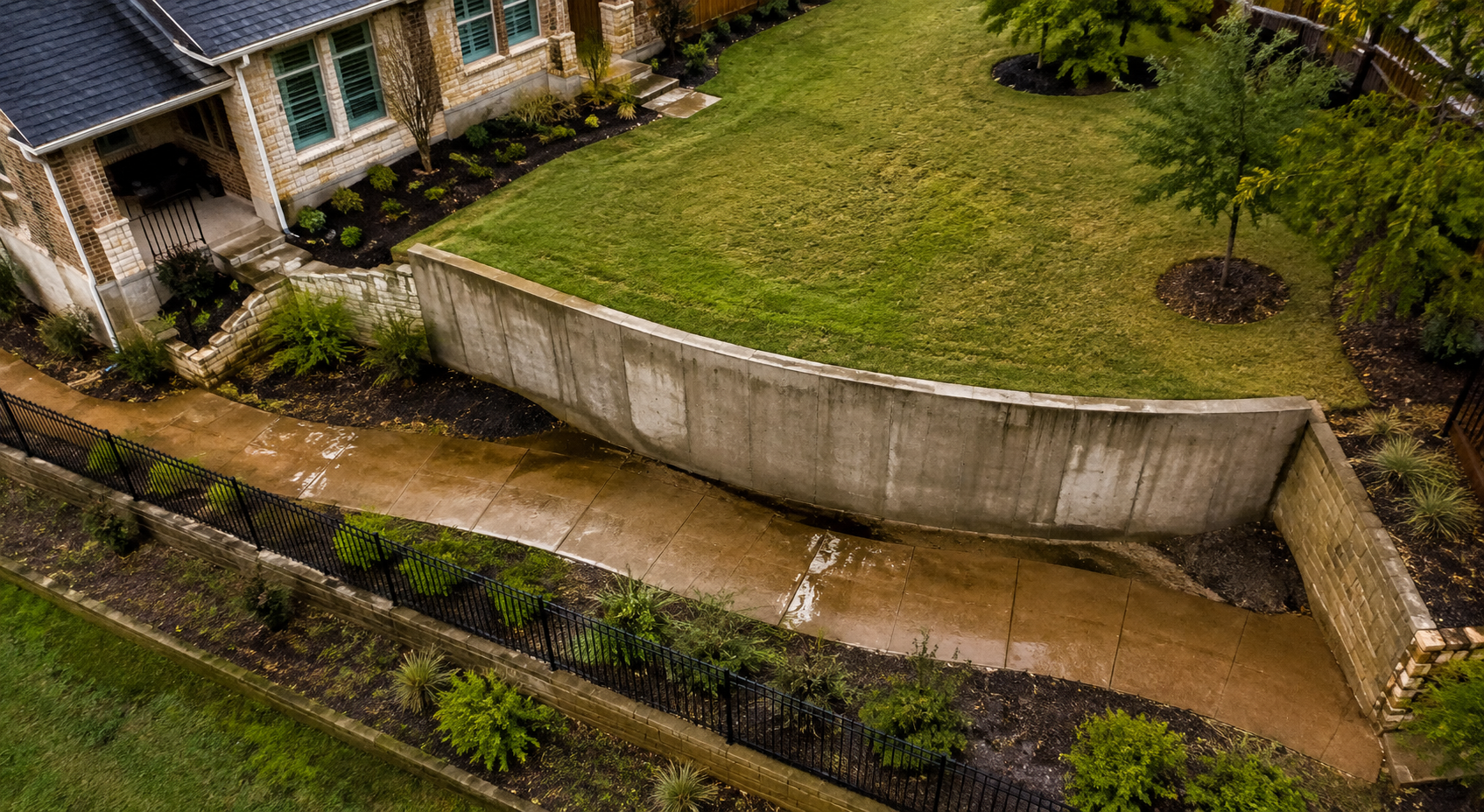

Picture this: You finally decide to stain your concrete patio. You’re excited. You grab a color, throw it on, and step back. And—yikes. Not what you pictured. Instead of sleek and modern, it’s patchy and clashing with everything. Sound familiar?
Stained Concrete isn’t a “close your eyes and hope for the best” deal. The color you pick sets the entire mood. It can make a space feel warm and inviting. Cool and industrial. Or just… off.
Before you end up with a color disaster, let’s break down how to choose the right stain. One that actually works with your space and is durable.
1. Know Your Concrete Stain: Acid, Water-Based, or Dye?
Not all concrete stains play by the same rules. Different types, different effects. Choose wisely:
Acid-Based Stains: Rich, Earthy, and Unique
These sit on the surface after reacting with the concrete. It creates deep, organic tones. Think warm browns, rich tans, and natural greens. The result? A unique, variegated finish with serious character.
Perfect for rustic, earthy vibes. But be warned: they’re unpredictable. Once applied, there’s no turning back. No do-overs. No second chances.
Learn more about the difference between acid and water-based concrete staining and how it affects your final look.
Water-Based Stains: A Rainbow of Choices
Want a wider color selection? Soft neutrals? Check. Bold blues and fiery reds? Also check. Water-based stains give you full control. Unlike acid stains, they don’t react with concrete. They just coat it.
That means no weird surprises. No unexpected color shifts. Just predictable, even coverage. Want a modern, polished look? This is your go-to.
Dive deeper into the types, process, and benefits of concrete staining before choosing your stain.
Concrete Dyes: Bright and Bold
Want a color that pops? Concrete dyes soak deep into the surface, creating vibrant, high-energy hues. Think electric blues, fiery oranges, or striking purples. They’re bold and intense. Best for indoor spaces! Just remember, dyes can fade in direct sunlight unless sealed properly.
2. Match Your Color to Your Space (Not Just Your Mood)
The right color blends in and enhances. The wrong one? Sticks out like a bad decision. Here’s how to choose wisely
Consider Your Existing Design
Look around. What colors are already in your space? If you have a brick house, a red stain might be overkill. Got a lot of greenery? Earthy browns or warm grays will blend beautifully.
Factor in Lighting
Colors look very different in natural vs. artificial light. That cool gray might turn a warm beige under the sun. Test a small area first—your future self will thank you.
Think About Functionality
Dark stains hide stains (yes, stains on stains). Lighter colors make spaces feel bigger but show dirt faster. If it’s a high-traffic area, go with a forgiving shade.
3. The Best Colors for Every Space
Not sure where to start? Here are some tried-and-true stain colors based on where you’re applying them:
For Driveways & Walkways: Keep It Natural
Go for earthy tones like deep browns, charcoal, or sand. These colors hide tire marks and blend well with landscaping.
For Patios & Pool Decks: Warm and Inviting
Warm grays, soft terra cotta, or sandy beige create a cozy outdoor space. Plus, they reflect heat—so no burning feet!
For Interiors & Garages: Modern and Sleek
Polished grays, rich espresso, or even bold blues make a statement. If you want an industrial look, charcoal is king.
For Decorative or Commercial Spaces: Get Creative
Want something unique? Try multi-tone layering or a custom blend. Metallics and stencils can add extra flair.
See how Fort Worth homes are transformed from plain to vivid with the art of concrete staining.
See why Fort Worth businesses are choosing concrete staining for a polished, professional finish.
4. Techniques to Get the Perfect Look
You’ve picked your color. Now, let’s make sure it turns out as expected.
Wondering whether to stain or paint your concrete? Here's a guide comparing painted concrete vs. concrete staining in Fort Worth.
Layering & Blending for Depth
One color is nice. Two or three? Even better. Layering different shades adds dimension and a more natural, high-end finish.
Stencils & Patterns for Extra Style
A solid stain looks good. A stained design? Even better. Get creative with:
- Stencils: Perfect for bold patterns. Or intricate details.
- Tape Techniques: Create clean lines. Geometric shapes. Or custom borders.
- Faux Finishes: Mimic natural stone. Wood. Or even marble.
- Logos & Graphics: Personalize your space. Use custom branding or artistic touches.
Always, Always Test First
This step is necessary. A small test patch saves you from regret. Colors dry differently than they look wet. Concrete type affects how the stain absorbs. Plus, lighting changes everything. Skip the test. And you might end up asking, "What have I done?" Do the test, and you’ll say, "Nailed it.”
5. Keep That Color Looking Fresh
Once your concrete is stained, protect it. A little maintenance goes a long way.
Seal It for Longevity
Staining looks great—until life happens. Foot traffic, spills, sun exposure… they all take a toll. A sealer locks in color and shields against fading, moisture and stains. Choose between matte, satin, or glossy finishes. All based on your style.
Clean It Right
Harsh chemicals can strip color. Stick to mild soap and water for regular cleaning.
Refresh When Needed
Over time, some colors fade. A fresh coat of stain or a tinted sealer can bring it back to life without a full redo.
Final Thoughts: Your Perfect Color Is Waiting
Picking the right stain color is beyond what looks good now. It’s about what you’ll love long-term. Trends fade. Regret lasts. So choose wisely.
Look at your space. Think about the mood you want. Test before you commit. A small patch now saves a big mistake later.
So, what’s it gonna be? A classic neutral that never fails? Or a bold shade that makes a statement? Whatever you choose, now you know how to do it right. Need help? Contact us today!