Grey concrete looks pretty good and it gives you a basic and monotone design. But if you think that alone might be dull and boring, maybe you can consider choosing painted concrete or concrete staining in Fort Worth, TX. Many homeowners and business owners are torn between these two, as both options are really popular in transforming simple concrete surfaces into wonderful and stylish ones. But here’s the catch: they come with distinct advantages and drawbacks that you should know before choosing either of these two. To help you out, here are some key differences between stained concrete and painted concrete, their applications, and factors to consider when choosing a finish for your concrete surface. Make sure to check these all out as they can surely provide the necessary details you definitely need.
Painted Concrete and Concrete Staining in Fort Worth, TX
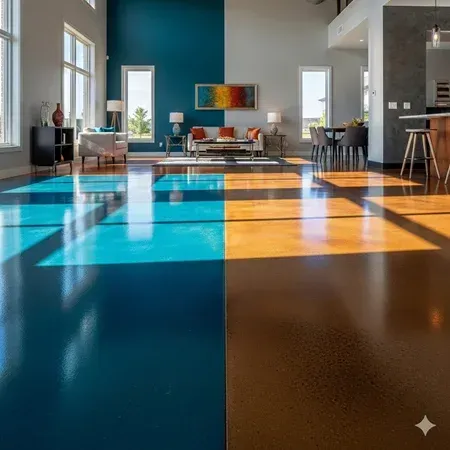
Concrete Staining can be achieved by applying chemicals or water-based stains and letting them penetrate the concrete, resulting in unique, variegated looks like natural stones or marbles. On the other hand, concrete painting is really a simple process. It’s just about applying specialized concrete paint or epoxy over the surface. Painted concrete can give your surface a uniform, opaque finish and allow for bold colors and detailed designs.
Pros and Cons of Stained Concrete
Pros:
- It is less likely to chip, peel, or fade as the stain penetrates the concrete and becomes part of it.
- It is low maintenance as it requires minimal upkeep once sealed and is easier to clean.
- Stained concrete can last for 10 years or more without needing significant maintenance if properly sealed.
- Ideal for patios, driveways, and interior floors as stains complement well with indoors or outdoors.
Cons:
- Acid stains are often unpredictable and can result in erratic patterns. This makes concrete staining a design option with limited control which may not suit everyone’s tastes.
- Stains always need to be sealed to protect and enhance the surface color.
- Water-based stains provide radiant hues. However, acid-based stains typically offer earthy tones, which are less vibrant for some.
Pros and Cons of Painted Concrete
Pros:
- Painted concrete offers a wider spectrum of colors and has the ability to create intricate patterns, logos, or even faux tiles, making them a good choice if you are looking for a design that you can control and has vivid colors.
- It is less expensive upfront compared to staining.
- A good choice for DIYers, as paint is straightforward to apply.
- Paints act as a protective layer of your concrete, preventing moisture and light damage.
Cons:
- Though it blocks some types of damage, concrete paint is prone to chipping, peeling, and fading, especially if it is placed in a high-traffic area or under heavy UV exposure.
- Paints are also maintenance intensive as they require frequent touch-ups to maintain their appearance.
- Concrete surfaces with paints can become slippery when wet. That’s why it requires anti-slip additives for safety.
Key Factors You Need to Know
In terms of aesthetic appeal, it can be difficult to decide which one is more appealing. This aspect is actually subjective and it really depends on a person’s tastes and perspective. So, you can never go wrong choosing the most eye-pleasing option.
On the other hand, if you prioritize durability, longevity, and maintenance, concrete staining is without a doubt the better option. However, if you are a DIYer or your budget is too tight upfront, maybe painted concrete is for you.
Where Concrete Staining Shines
Stained concrete is a wonderful choice for:
Outdoor Patios and Driveways: Since they are exposed to heat, moisture, and other destructive elements, the durable option is better.
High-End Interiors: The natural stone-like appearance it provides matches the elegance of living rooms, kitchens, and commercial spaces.
Rustic and Industrial Designs: its earthy tones and textured finishes align with the popular design aesthetics of Fort Worth.
Where Painted Concrete Excels
Painted Concrete works best for:
Playful Interiors: Since it is easier to manage, you can use bright, bold paint colors to create fun, which best suits the modern vibe of children’s playrooms or entertainment areas.
Customize Space: Ideal for branding, logo, and unique theme in retail stores and offices.
Quick Renovations: If you are looking for a short-term solution, painted concrete is an excellent choice and requires less budget than concrete staining.
Final Thoughts
Both painted concrete and concrete staining in Fort Worth, TX have unique advantages and disadvantages. You just need to assess which one provides more benefits and fewer drawbacks depending on your unique situation. Before you make a decision, note that your choice should reflect your priorities, budget, and specific demands of your space. Keeping this in mind can help you identify which one is the best for you. If you are still unsure, consult with flooring professionals in
Fort Worth Concrete Contractors to guide you through the selection process. Start adding a new feature to your property that will surely stand out.
Message us today!