Summary
A cracked driveway does not automatically need replacement. Judge whether the concrete remains sound, whether sections have moved, and whether the cause can be corrected. Localized repairs or panel replacement may preserve useful pavement. Widespread deterioration, recurring movement, or drainage problems can make broader replacement the more practical choice.
A driveway with several thin cracks may still work well. Another with one broken, sunken section may need substantial work. Counting cracks or judging appearance alone can lead to the wrong repair.
When comparing concrete driveway installation and replacement services in Fort Worth, ask what evidence supports the proposed scope. The recommendation should distinguish surface damage from failed concrete and problems beneath it.
Fort Worth Concrete Contractors provides residential driveway construction in Fort Worth. Before discussing finishes or a replacement layout, establish which existing sections remain serviceable and what caused the damaged areas to fail.
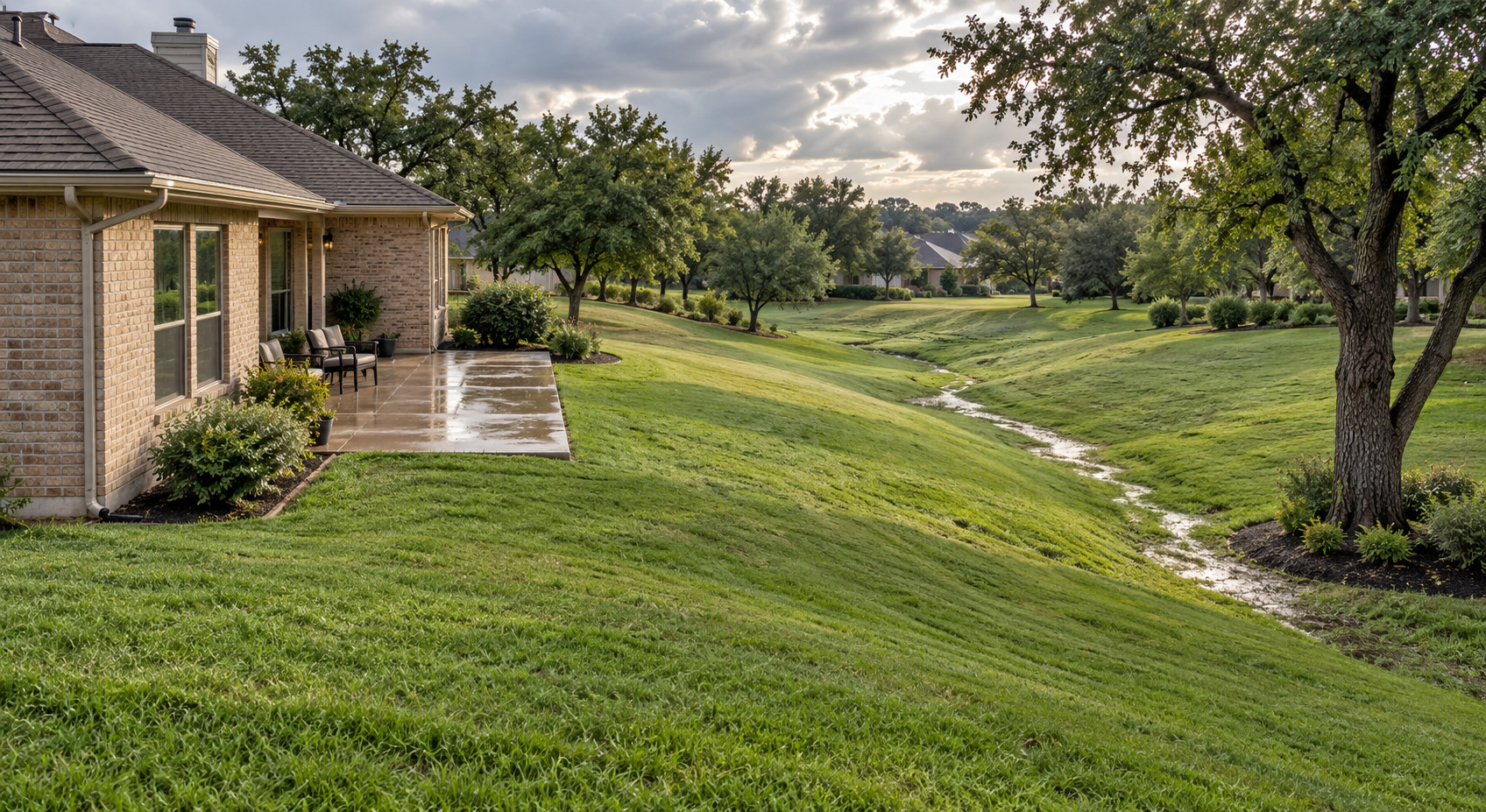
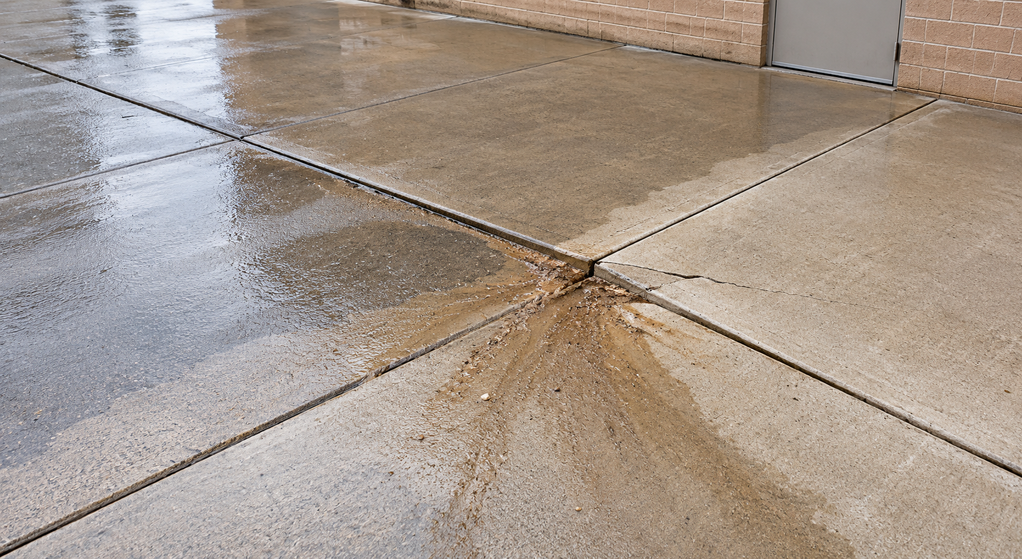
Read about what water beneath a concrete slab can change when settlement follows recurring wetness. Use the guide to concrete service pricing in Fort Worth to compare removal, preparation and access costs in the written repair options.
Read the damage before choosing a treatment
Walk the driveway when it is dry, then observe it after rain from a safe location. Mark affected sections on a simple sketch. Record four things:
- Surface condition: Is there shallow flaking, a chipped corner, or concrete breaking into loose pieces?
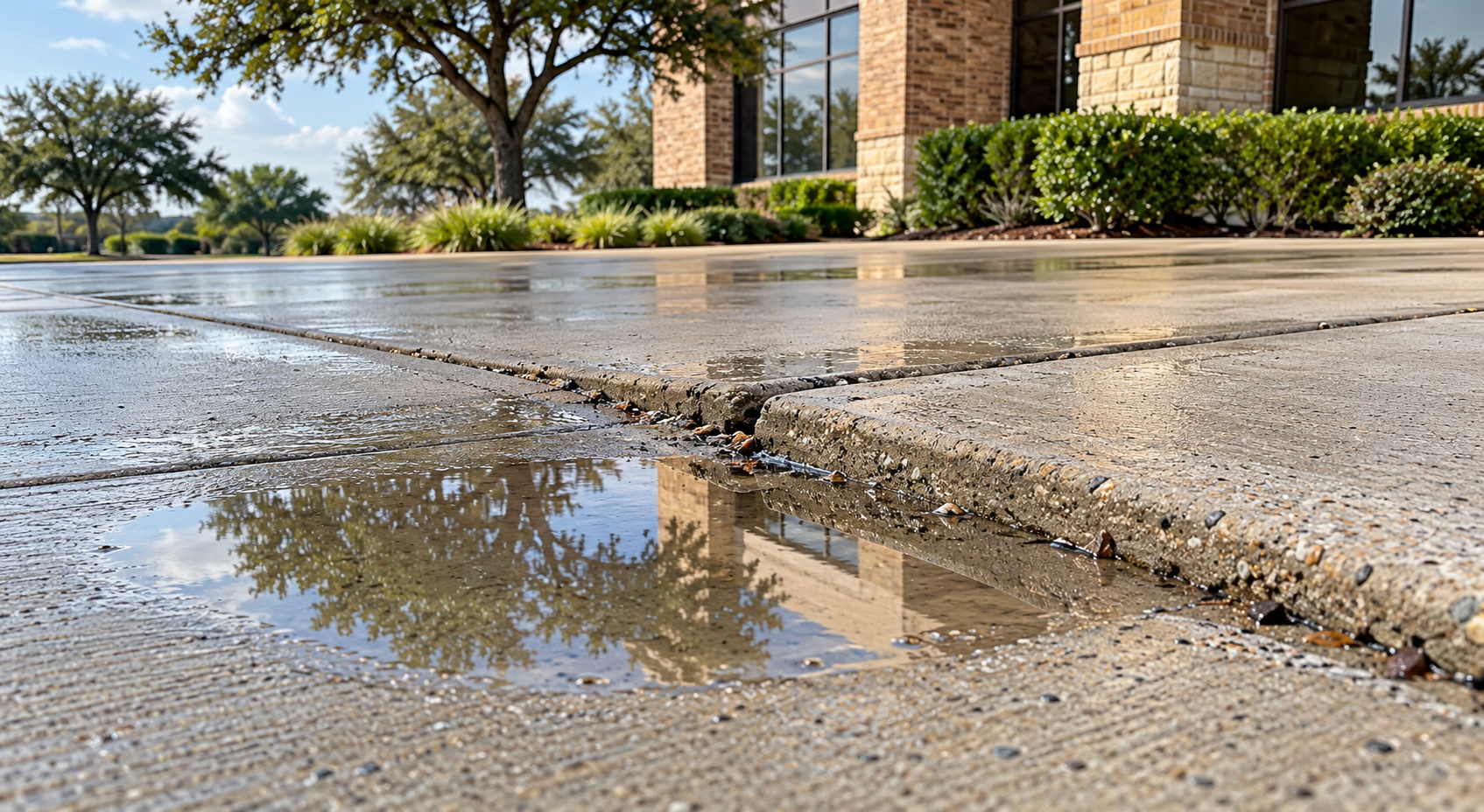
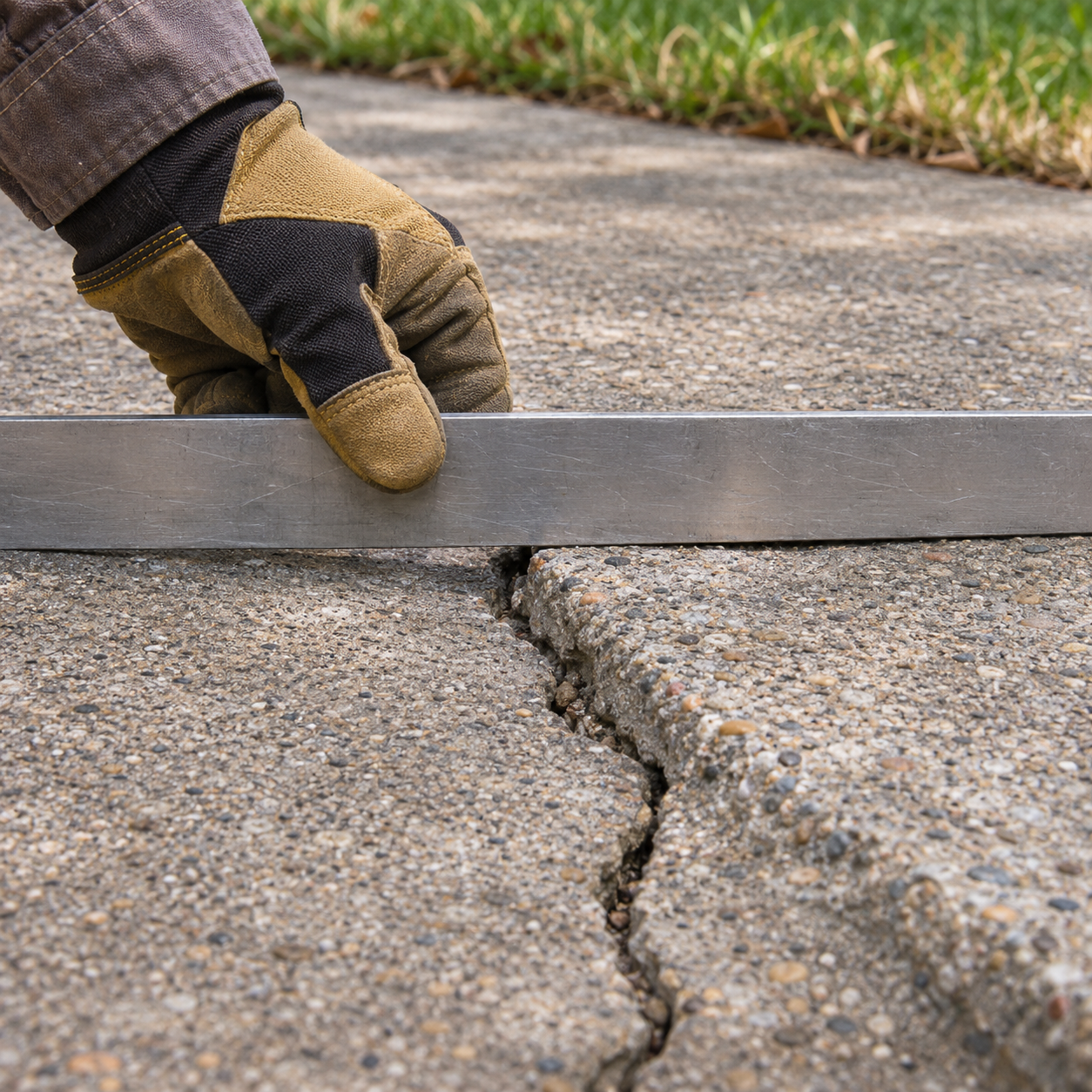
- Height difference: Are both sides of a crack level, or has one side risen or dropped?
- Change over time: Is the crack stable, widening, or reopening through an earlier repair?
- Function: Does the damage interrupt walking, vehicle access, or drainage?
Photograph cracks with a ruler for scale and repeat photographs from the same position. A single photograph cannot establish whether movement is continuing. Avoid relying on a universal crack-width cutoff: width matters, but so do displacement, deterioration, location, and change.
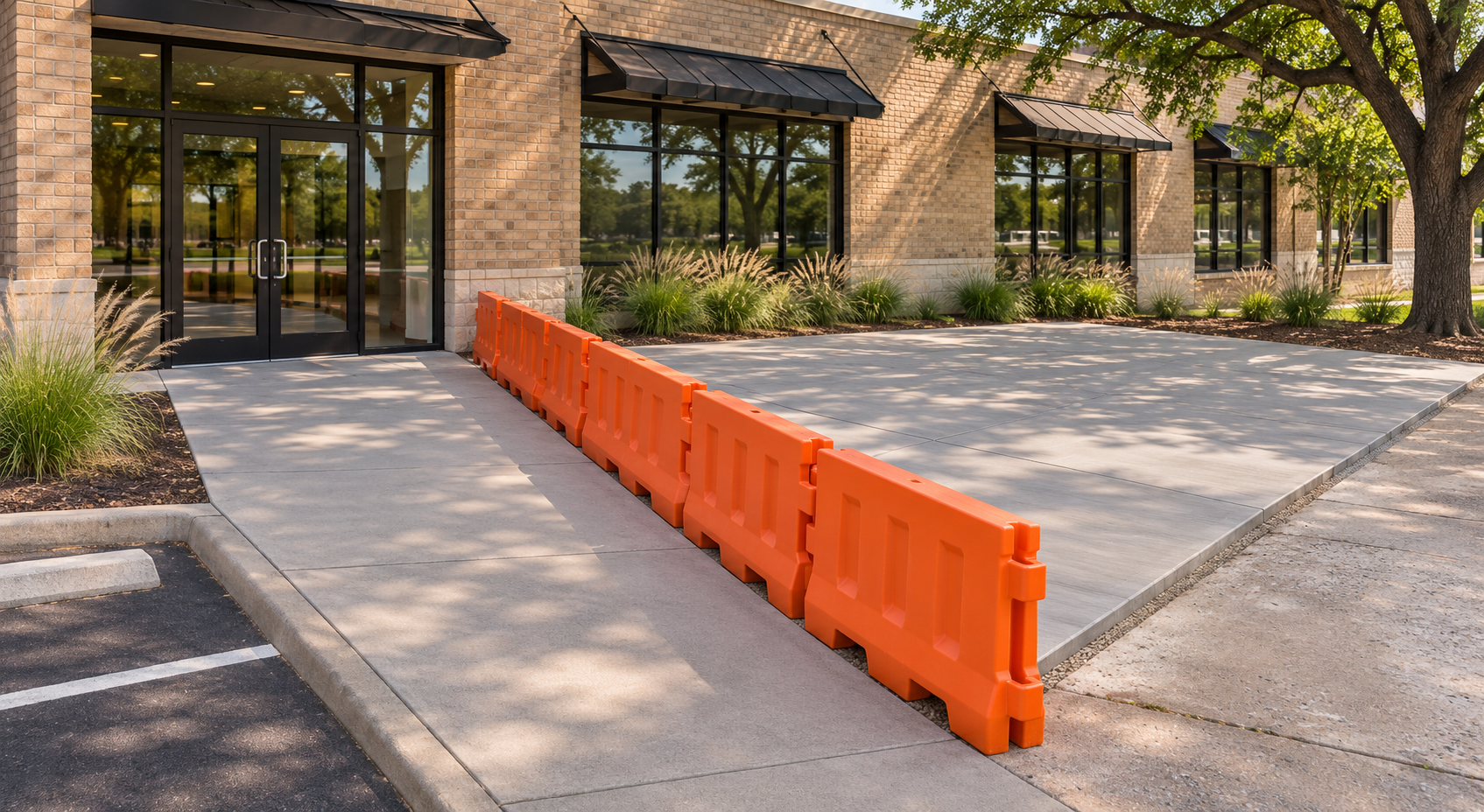
Keep vehicles and pedestrians away from sections that visibly rock, collapse, or have exposed undermined edges. Those conditions warrant prompt assessment rather than monitoring alone.
The National Ready Mixed Concrete Association’s guide to cracking concrete surfaces explains that many early cracks have little effect on structural integrity or service life, while also identifying subgrade preparation and jointing among factors affecting cracking. A crack deserves diagnosis before it becomes a reason for demolition.
When repair can preserve useful concrete
Repair is worth considering when the surrounding concrete is sound, damage is limited, and the underlying cause can be addressed.
A stable crack may be suitable for sealing to limit water and debris entry. A localized chip may accept a properly prepared patch. Neither treatment restores missing support beneath a slab, and a visible repair may remain a different color or texture.
Resurfacing addresses a different problem. A bonded surface treatment may improve suitable, sound concrete with shallow defects, but it needs a compatible, properly prepared substrate. It cannot be assumed to stop active cracks or stabilize moving panels. Ask how existing joints and cracks will be treated and what movement would invalidate the proposed approach.
If one otherwise intact section has settled, ask whether specialist slab lifting is feasible. Suitability depends on concrete integrity, the support problem, and the elevations needed for drainage. Raising a slab without understanding which section moved can create a new mismatch.
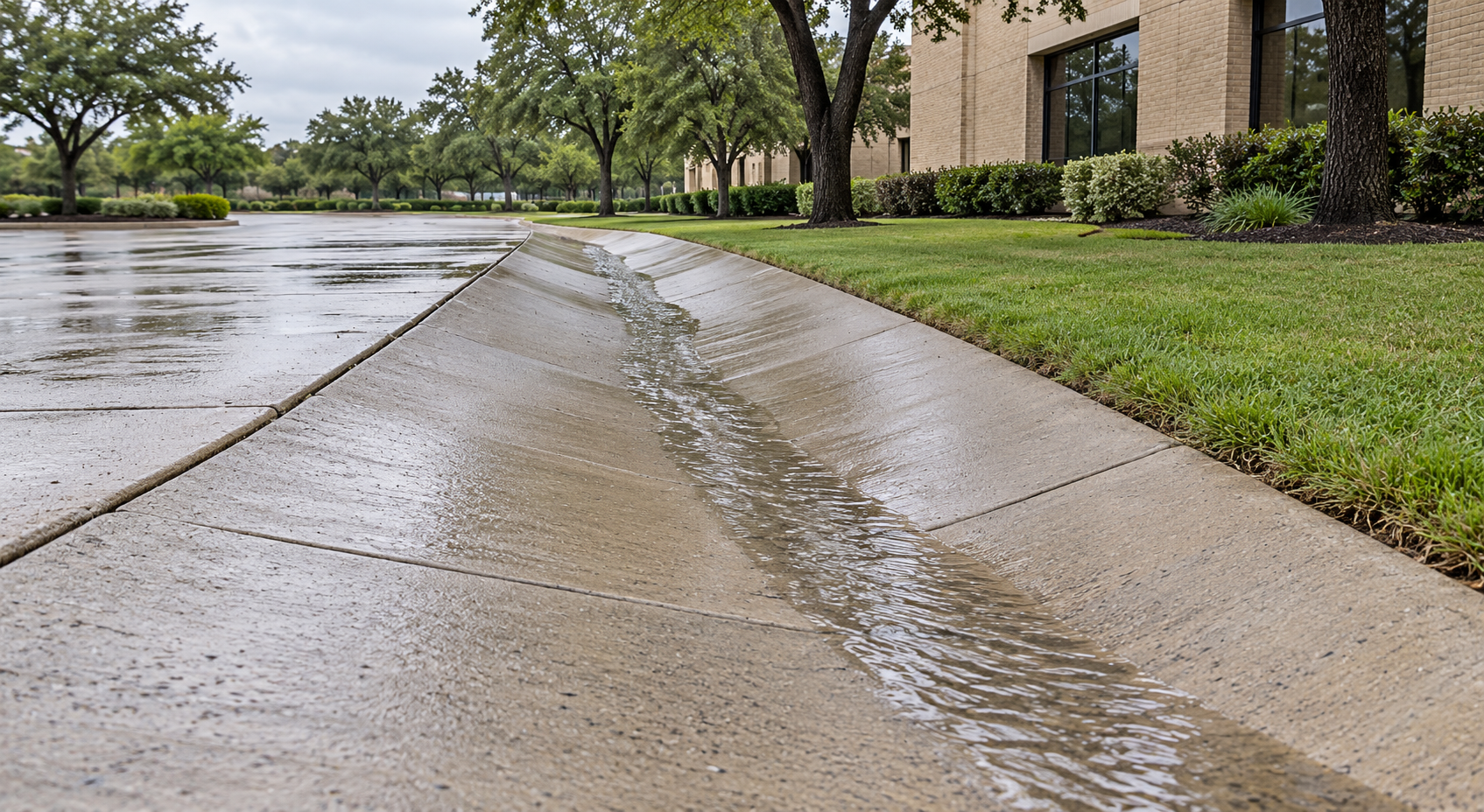
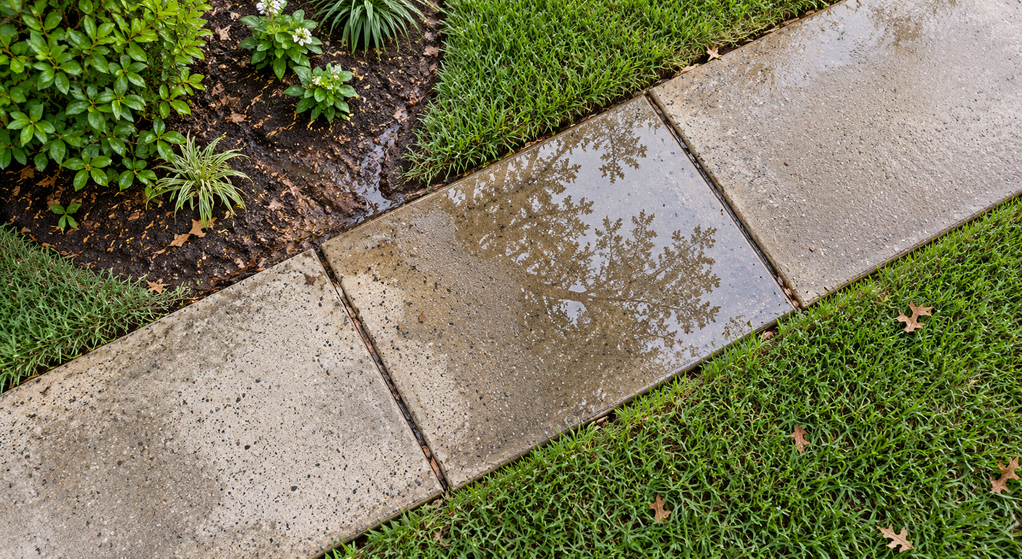
For a Fort Worth driveway, record rainfall and irrigation patterns alongside the damaged area. Ask whether wetting, erosion or another support issue must be corrected before a surface repair.
One failed panel does not condemn the whole driveway
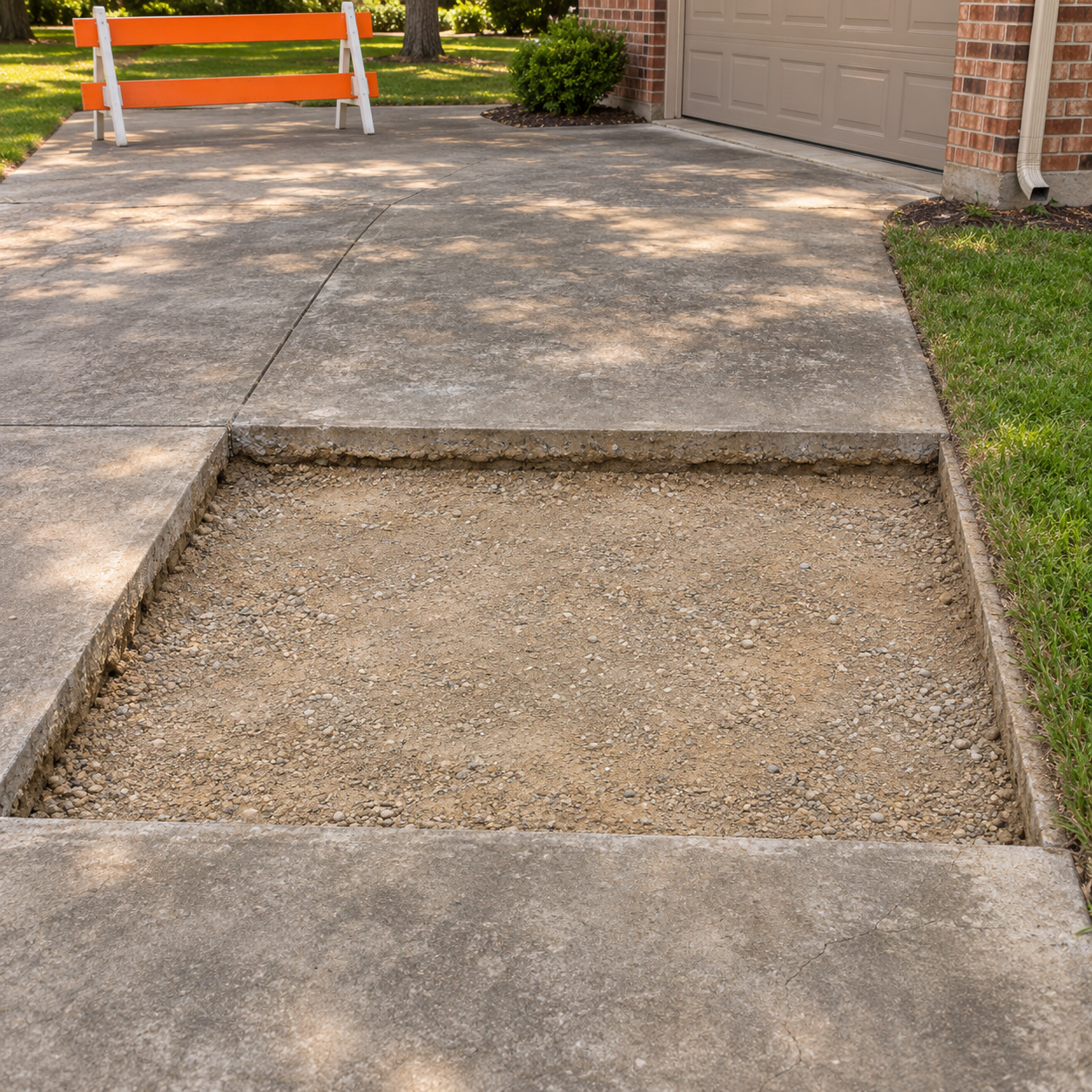
A panel is a section bounded by joints. Replacing a damaged panel can be a reasonable middle option when neighboring sections remain sound and usable.
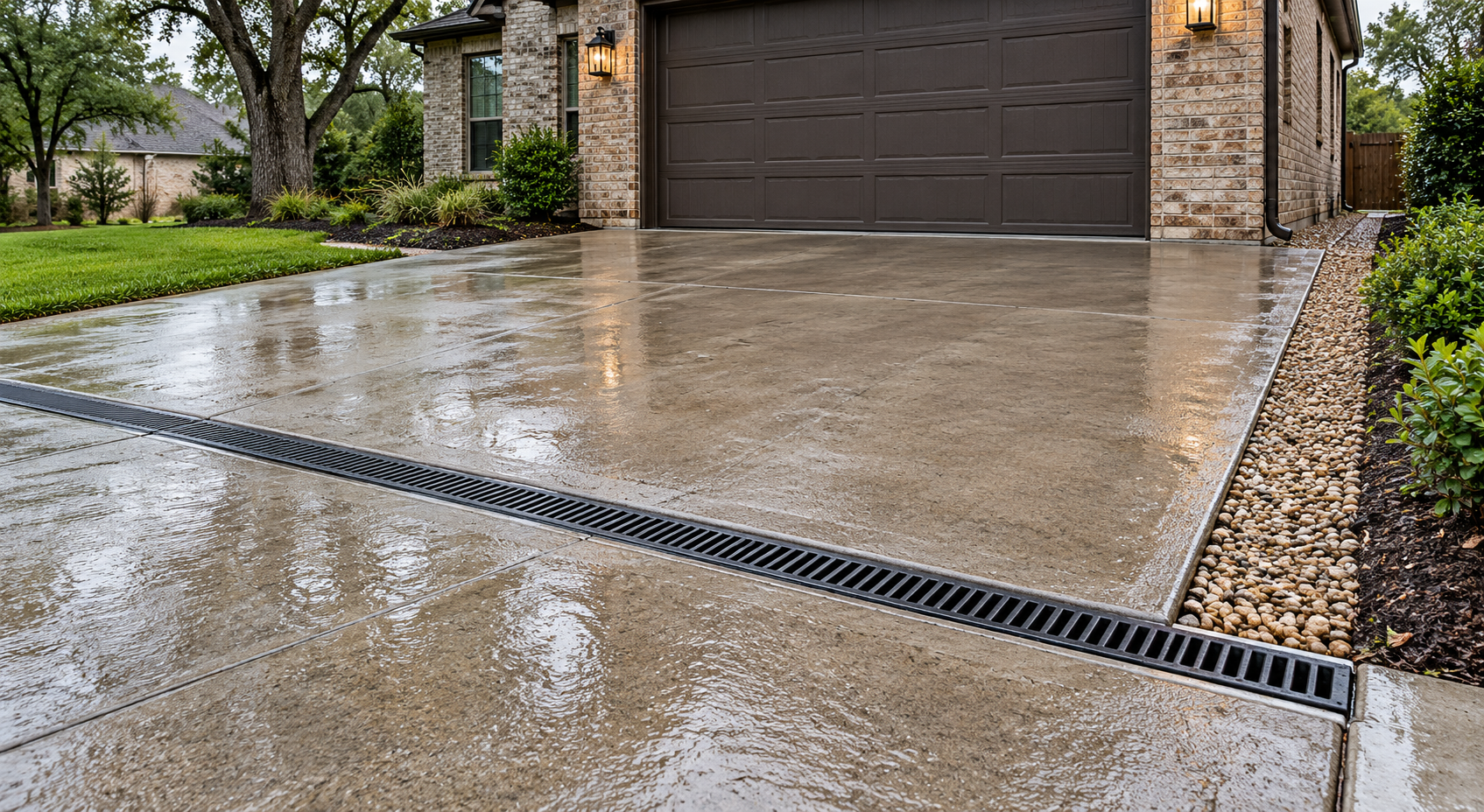
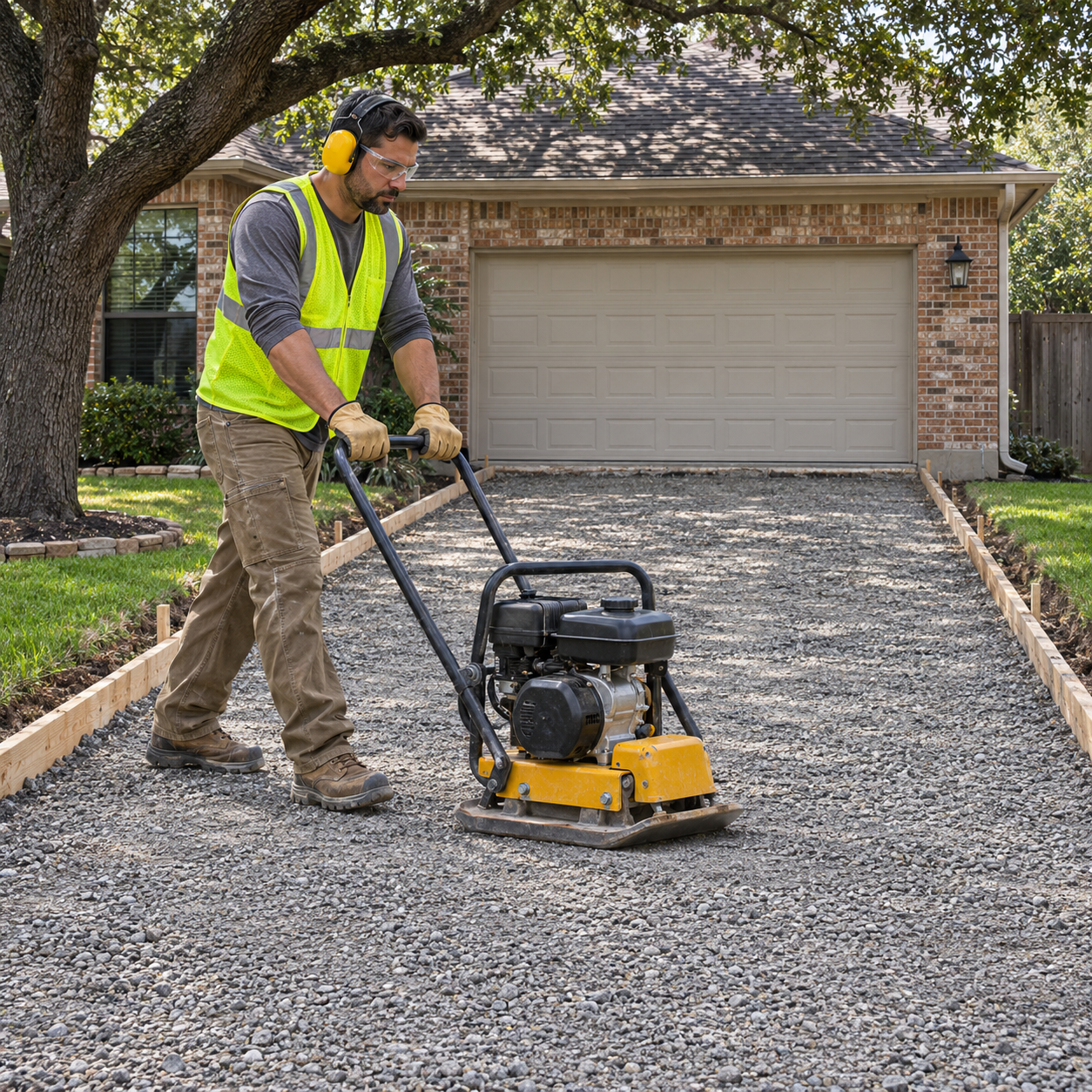
This approach allows removal of failed concrete and access to the support beneath that area. The scope should explain removal limits, ground preparation, joints, and connections to retained pavement. Ask whether the new section can meet existing elevations without trapping runoff or leaving an awkward garage transition.
Expect a visual difference between new and weathered concrete. Also consider the condition of the adjoining panels: saving badly deteriorated sections may simply postpone another disruptive project.
When broader replacement becomes more practical
Replacement deserves stronger consideration when damage is widespread or several problems need correction together. Examples include multiple displaced panels, extensive breakup through the concrete, repeated unsuccessful repairs, or a layout that cannot drain properly at its existing elevations.
Age alone is insufficient justification. An older driveway with stable cracks may remain serviceable, while younger pavement with extensive support failure may require major work.
Replacement also needs a cause-based plan. Removing the slab provides access to the ground, but new concrete can
develop problems if unsuitable support, concentrated runoff, or loading issues remain unresolved. Ask what will change beneath and around the replacement, not just which concrete mix will be poured.
Compare quotes against the same outcome
Request separate scopes for feasible options: targeted repair, panel replacement, and full replacement. Each should identify the affected area, preparation, drainage corrections, finish, cleanup, access restrictions, and conditions for reopening to vehicles.
Use the same categories in each quote, including removal, site preparation, access restrictions and reopening. Compare current project prices rather than relying on a headline square-foot allowance.
Ask what happens if removal reveals unsuitable ground, and get repair limitations and warranty exclusions in writing.
If the scope includes a street approach or sidewalk, check the work limits with Fort Worth’s Infrastructure Division. Private-property restrictions and the public connection need review for the actual address.
Choose the smallest scope that can credibly restore safe access and dependable function. Sound concrete is worth keeping; unresolved movement and failing support deserve more than another surface patch.

Written By:
Kurt Manalastas
Home & Property Research Journalist
Kurt is a Home & Property Research Journalist who creates educational content on home services, property improvement, and residential decision-making. He turns contractor experience, industry standards, and verified research into clear, practical guidance that helps homeowners understand their options and make informed decisions.