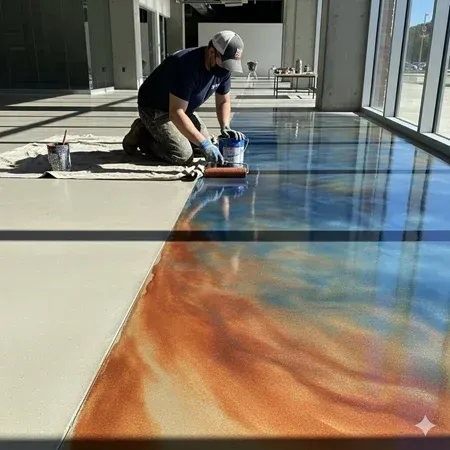
Concrete is all around us. It’s the ground we walk on, the base of our homes, and the foundation of our cities. But let’s face it—plain concrete? It can feel cold, dull, and a bit lifeless, right? That gray, lifeless surface hardly evokes warmth or personality.
But here’s the thing—concrete is changing. It’s not just gray and boring anymore. Thanks to concrete staining, it can be bright, bold, and even beautiful. What used to be plain is now a canvas for creativity. And if you’re in Fort Worth, TX, you’re in luck. Because this is where we give your concrete a fresh, new look.
Why Fort Worth Residents are Turning to Concrete Staining
So, why
concrete staining? And why here, in Fort Worth?
Here’s why it matters. Texas weather can be rough. The heat, sudden rain, and changing temperatures can wear out materials like wood or stone. But concrete? It’s strong and long-lasting. And when you stain it, it becomes both tough and beautiful.
In Fort Worth, more and more people are choosing Forth Worth Contractors stained concrete. Whether it’s for a modern patio in the city or a big driveway in the suburbs, stained concrete just makes sense. It’s not only about how well it works. It’s about style. Stained concrete gives your home a fancy, custom look without a big price tag.
The Art of Concrete Staining
One of the best things about concrete staining is how creative you can be. It’s not just adding a color. It’s about making it special and one-of-a-kind. Do you want your driveway to look like shiny stone? Or maybe a patio that feels warm and natural? There are so many choices!
In Fort Worth, we’ve noticed some really cool trends in concrete staining. People are getting excited about all the different ways to make their spaces unique. Some homeowners lean towards the rugged, Old West look—rich browns and deep reds that reflect Texas’ natural landscape. Others go for sleek, modern aesthetics with cool grays and smooth, polished finishes.
Want something that stands out even more? Using different colors can make your concrete look amazing and full of life. Picture a marbled design that looks just like natural stone—only it’s stronger and much easier to take care of.
You can even mix stained concrete with other fun techniques, like scoring or stamping. This means you can create cool patterns and textures that really make your space stand out. Picture a faux tile floor in your kitchen or a backyard patio that looks like cobblestone but feels just as smooth as concrete. It’s a level of design sophistication that makes stained concrete a functional work of art.
The Process: How It’s Done
Want to know how this magic works? The concrete staining process is all about being careful. Each step needs special attention to make sure everything looks perfect.
Surface Preparation
The first and most important step in staining concrete is getting the surface ready. This means cleaning it really well to get rid of dirt, grease, or old paint. If there are cracks or bumps, we fix those too. This makes sure the surface is smooth, which helps the stain go on evenly and beautifully.
Testing the Concrete
Before committing to a full-scale project, our professionals test the stain on a small patch of concrete. This trial run reveals how the concrete will absorb the stain and helps predict the final result, ensuring the chosen color and technique will meet the client’s expectations.
Applying the Stain
This is where the fun begins! Applying the stain is all about creativity. Our skilled workers use tools like sprayers, brushes, or sponges to add the stain. Depending on whether they use acid or water-based stain, the concrete soaks up the color in different ways. This creates cool patterns and effects that make each piece truly special.
Neutralizing Acid Stains (For Acid-Based Applications Only)
After using acid-based stains, it’s important to stop the process. This is called neutralizing. We mix water with baking soda or ammonia to do this. This solution cleans the surface and makes sure the acid doesn’t cause problems later. It helps prepare the concrete for sealing, keeping everything safe and looking great.
Cleaning and Drying
After neutralizing, the surface is cleaned to remove residue, and the concrete must dry completely. This step makes sure the sealer sticks well without trapping any moisture. Drying time can vary. It might take a few hours or even a whole day. It depends on the weather and if the surface is inside or outside.
Sealing the Surface
The last step is sealing the stained concrete. This helps protect it and makes the colors stand out. The sealer keeps the stain in place and stops it from getting damaged. It also gives the surface a nice finish. Experts pick either a matte or glossy sealer, depending on how they want it to look and how tough it needs to be.
Final Inspection and Touch-ups
After sealing, the surface is carefully inspected to ensure the stain looks perfect. If necessary, small touch-ups are done where the color didn’t soak in evenly or where the sealer needs more strength. This helps everything look perfect. The end result is a bright, long-lasting, and beautifully finished concrete surface.
Why Hire a Professional in Fort Worth?
In Texas, many people love to do things themselves. But when it comes to concrete staining, having professional help can really make a difference. This job needs a steady hand and special skills. From picking the best stain to spreading it evenly, precision is key to getting a great result.
Plus, our local Fort Worth professionals understand the quirks of the climate and how it affects outdoor surfaces. They'll know which stains work best for the specific conditions here and can advise you on long-term maintenance.
Conclusion
Concrete staining isn’t just about making your home or business look better. It’s a chance to show your style and create something unique. If you want to change your plain commercial concrete into something special, our experts in Fort Worth are perfect for creating this amazing piece of art.
Whether you like warm, earthy colors or cool, modern designs, stained concrete can add a touch of class to any space. So, why stick with plain when you can have something bright and beautiful? Contact us today and get a free quote!