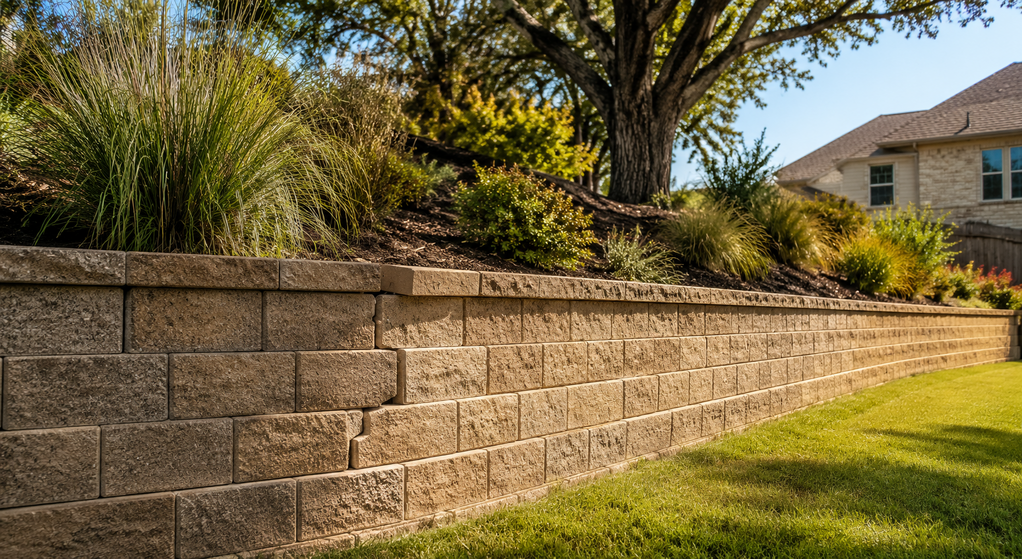
Local Design Ideas: Retaining wall designs in Fort Worth must balance aesthetics with structural performance, especially in clay-heavy soils and variable weather conditions. Concrete, segmental blocks, and natural stone each offer unique advantages, but long-term success depends on proper drainage, reinforcement, and designs that adapt to soil movement and enhance the surrounding landscape.
Retaining walls in Fort Worth are functional structures that respond directly to the region’s soil conditions, elevation changes, and weather patterns. The most successful retaining wall designs in Fort Worth are the ones that balance structural integrity with visual simplicity. When designed properly, a retaining wall becomes part of the landscape rather than just a barrier to keep the dirt in line.
Concrete Retaining Walls for Long-Term Stability
According to
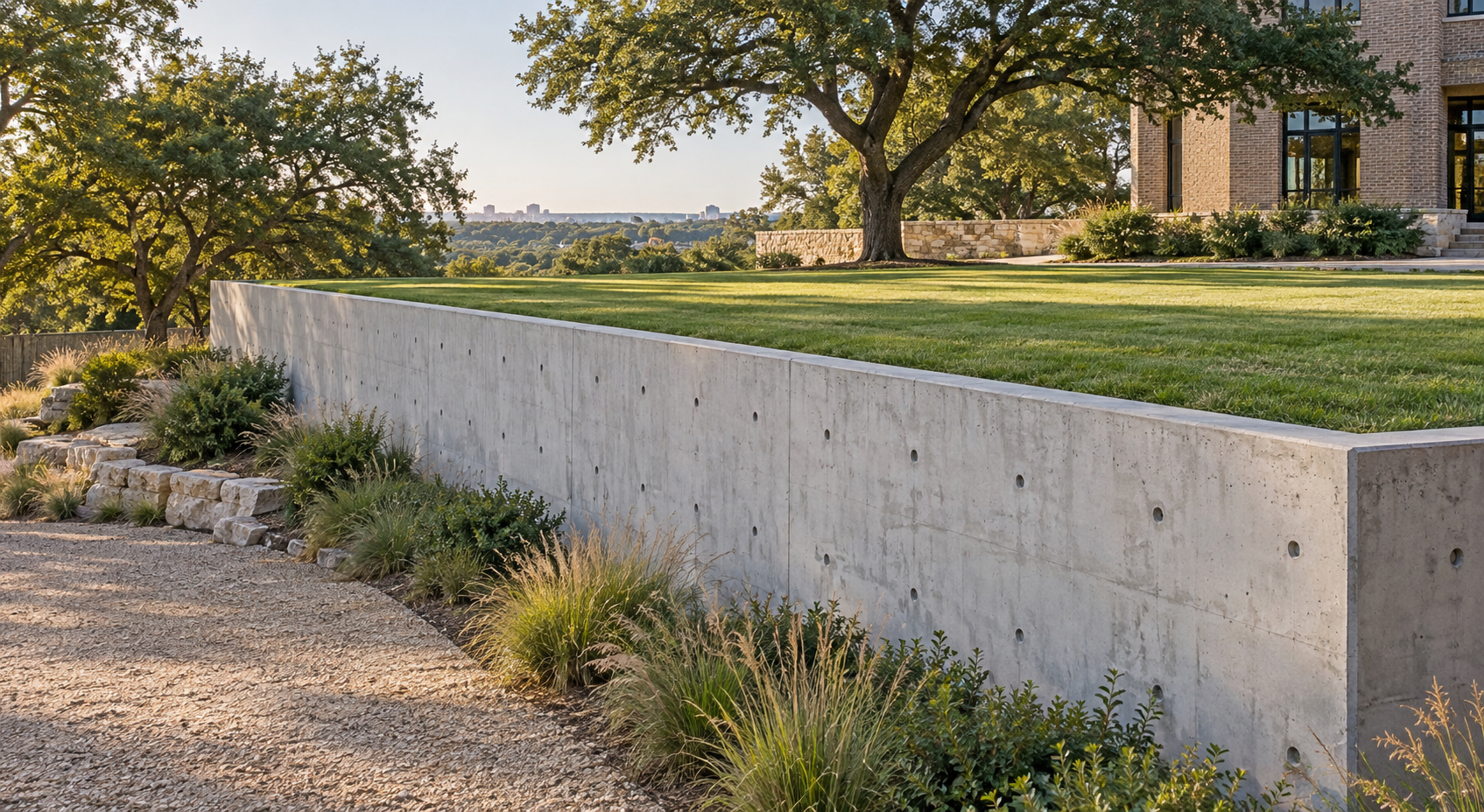
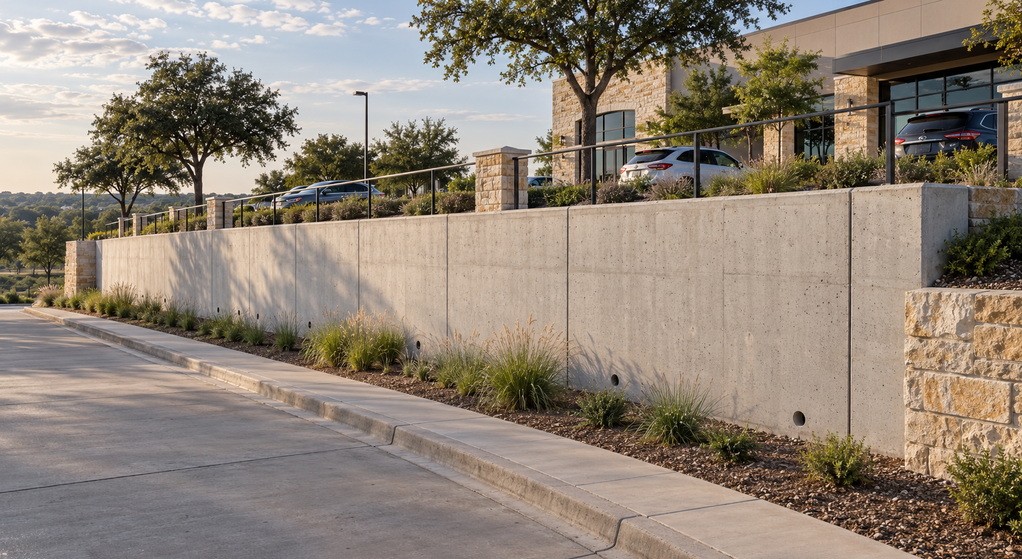
professional retaining wall services in Fort Worth, concrete remains one of the most reliable retaining wall materials for Fort Worth properties. The expansive clay soils common in North Texas can shift significantly between wet and dry seasons. Concrete walls, when properly reinforced and poured on a well-prepared base, are better equipped to handle this movement over time.
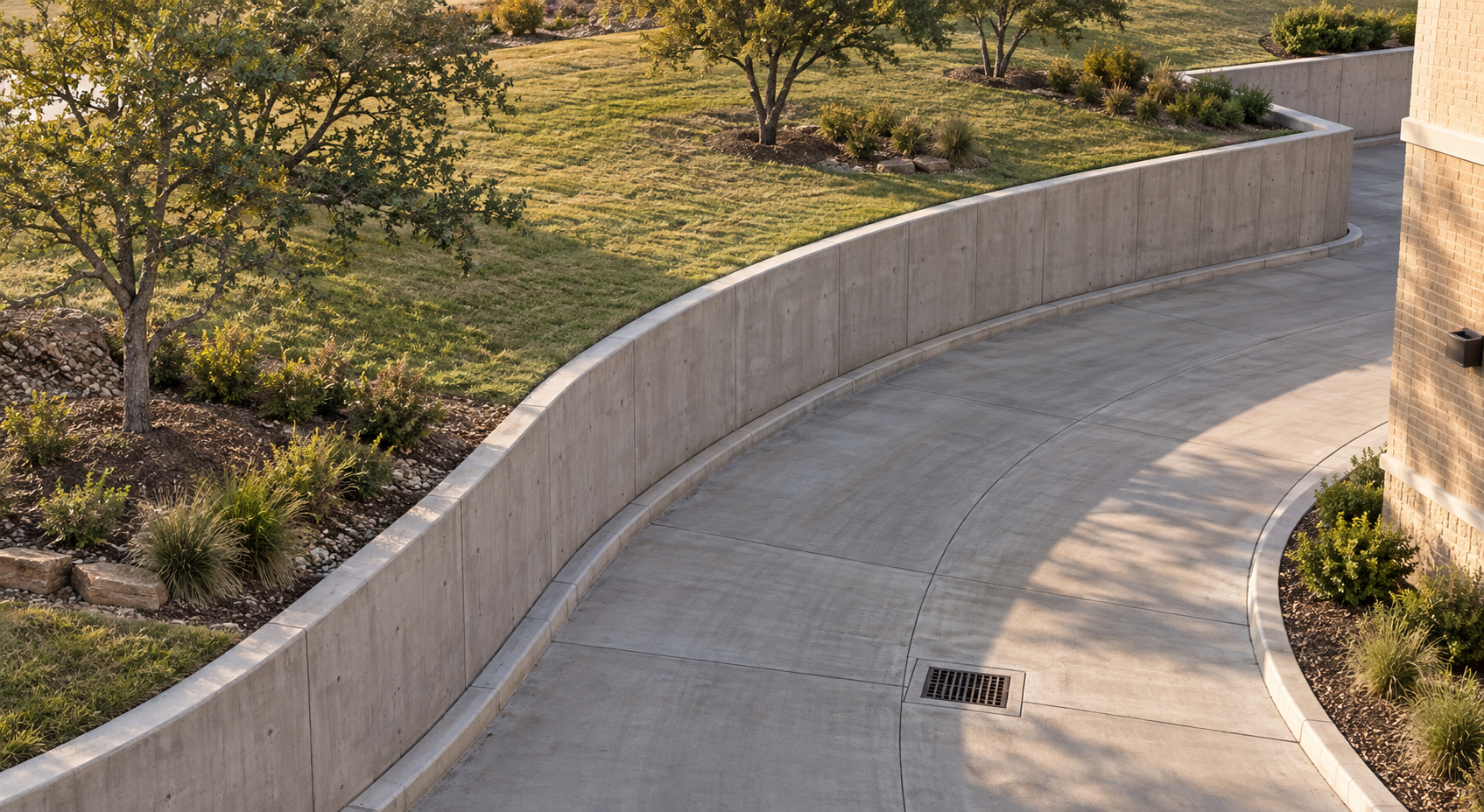
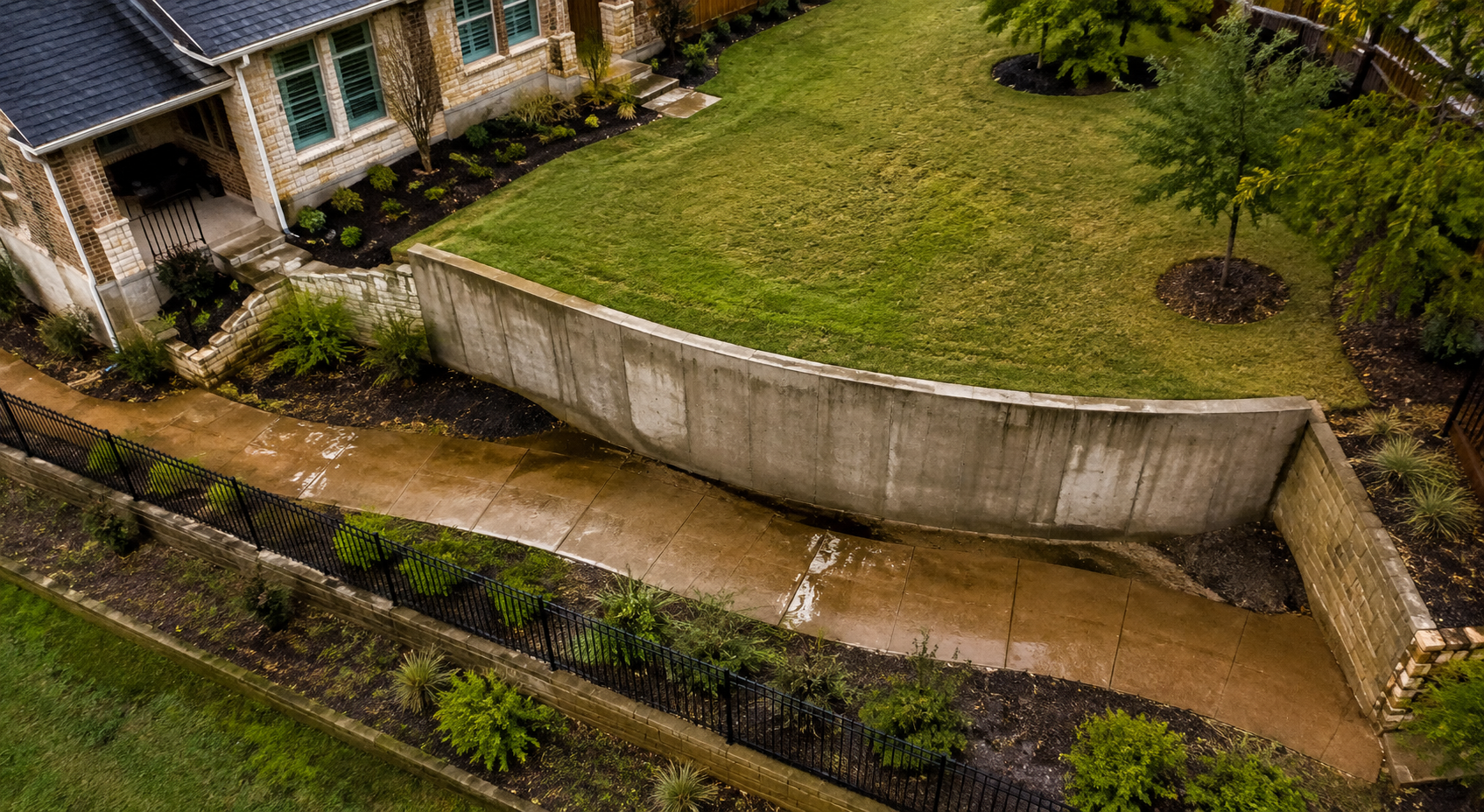
Poured concrete retaining walls work especially well for properties with significant grade changes or where soil retention is critical near foundations or driveways. Their clean lines suit modern homes, but they can also be textured or stained to blend with traditional landscaping.
From a practical standpoint, concrete offers durability with minimal maintenance, which is a major advantage in Texas heat.
Segmental Block Walls That Allow Controlled Movement
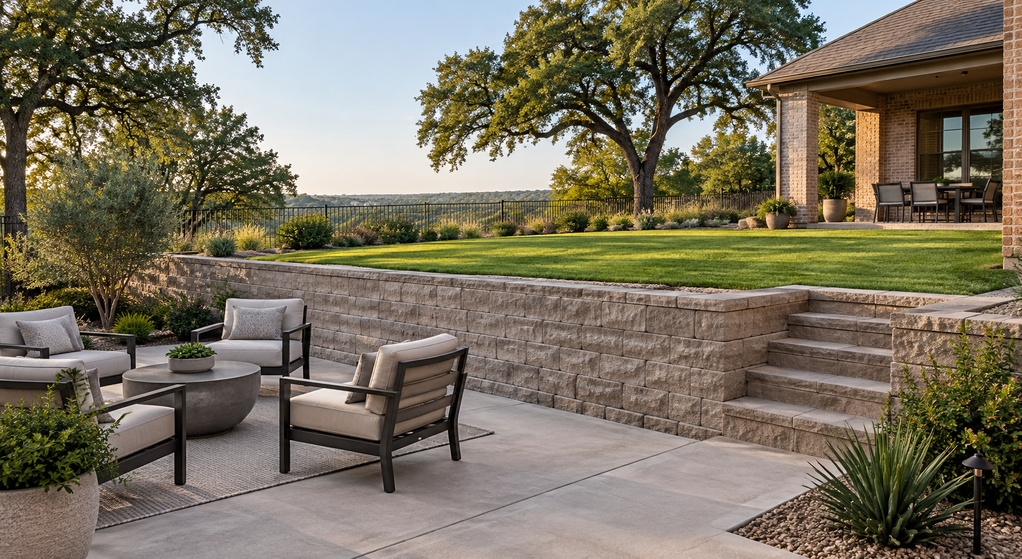
Segmental retaining wall systems, often made from interlocking concrete blocks, are a smart choice for residential landscapes. These walls are designed to flex slightly, which helps them adapt to soil movement without cracking. In Fort Worth, this flexibility is not just helpful, it is often necessary.
These walls work well for garden terraces, yard leveling, and decorative landscaping features. Our retaining wall experts recommend segmental block walls, as their modular design allows for curved layouts and stepped elevations, making them ideal for creating visually appealing outdoor spaces while still performing a structural function. When installed with proper drainage and base preparation, segmental block walls can last for decades.
Natural Stone Walls for Timeless Landscape Design
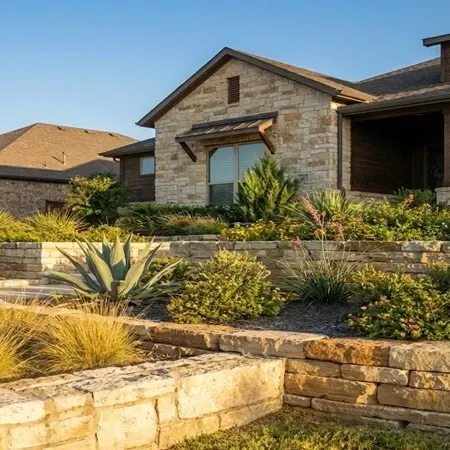
Natural stone retaining walls continue to be popular in Fort Worth, particularly in areas where homeowners want a more organic or upscale appearance. Limestone and other locally inspired stone choices blend well with Texas architecture and natural surroundings.
While stone walls are visually striking, they require careful installation. Mortared stone walls need proper reinforcement and drainage to prevent failure. Dry-stacked stone walls can also work, but they must be constructed with precision to ensure stability. When done right, stone retaining walls provide both aesthetic value and functional soil retention.
Choosing the right material is key to a retaining wall that lasts. Explore the block vs. stone vs. timber retaining walls to see which option works best for your project.
Tiered Retaining Walls for Sloped Properties
Many Fort Worth properties sit on gradual or steep slopes that benefit from tiered retaining wall designs. Instead of one tall wall, multiple shorter walls are built in steps, creating terraces that reduce soil pressure and improve drainage.
Tiered retaining walls are particularly effective for large yards, hillside homes, and properties near creeks or drainage areas.
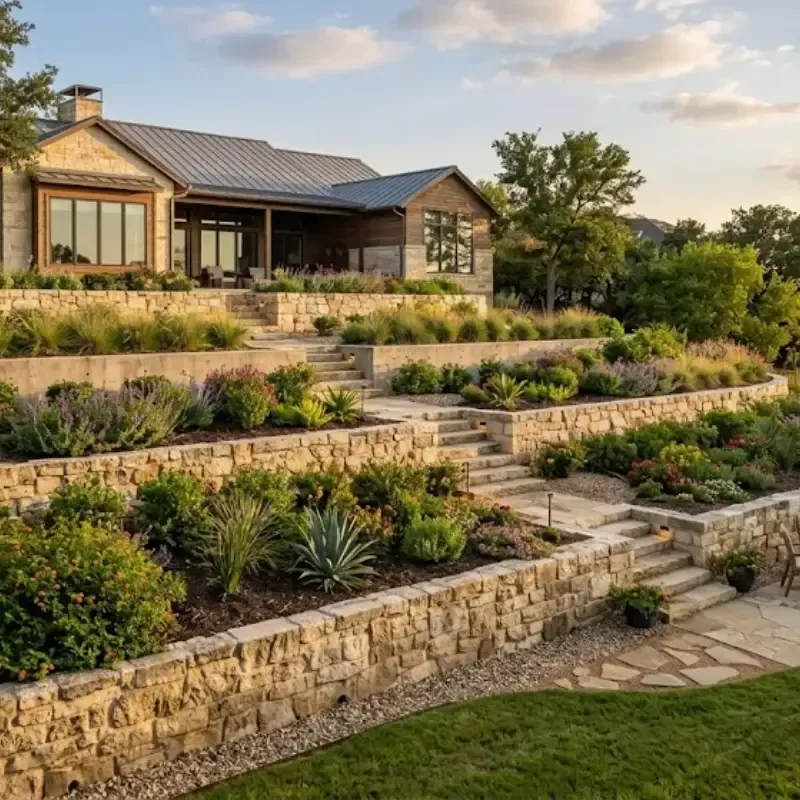
They allow for planting beds, walkways, and usable outdoor space while managing elevation changes safely. From an engineering perspective, tiered walls distribute weight more evenly and reduce the risk of structural failure compared to single tall walls.
Retaining Walls Integrated With Drainage Solutions
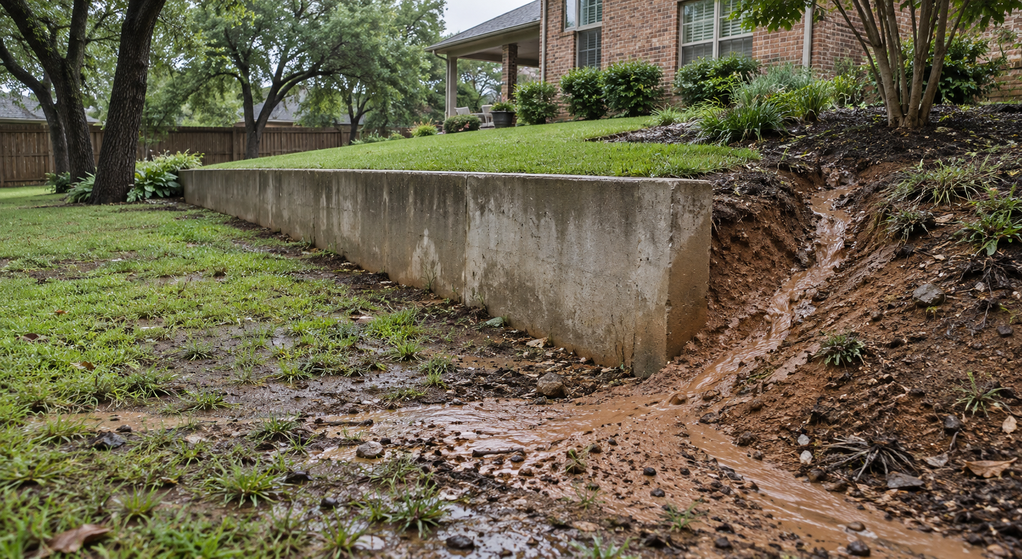
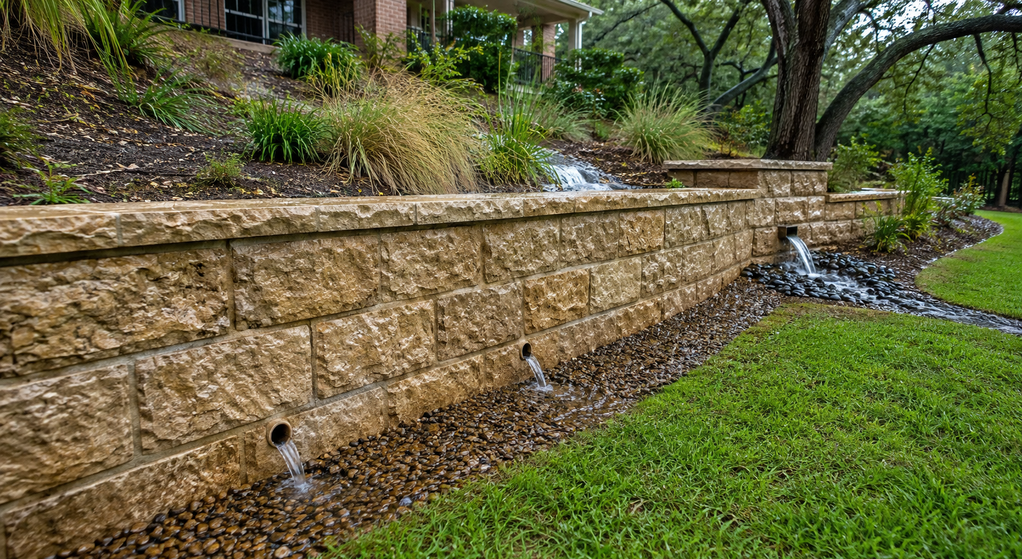
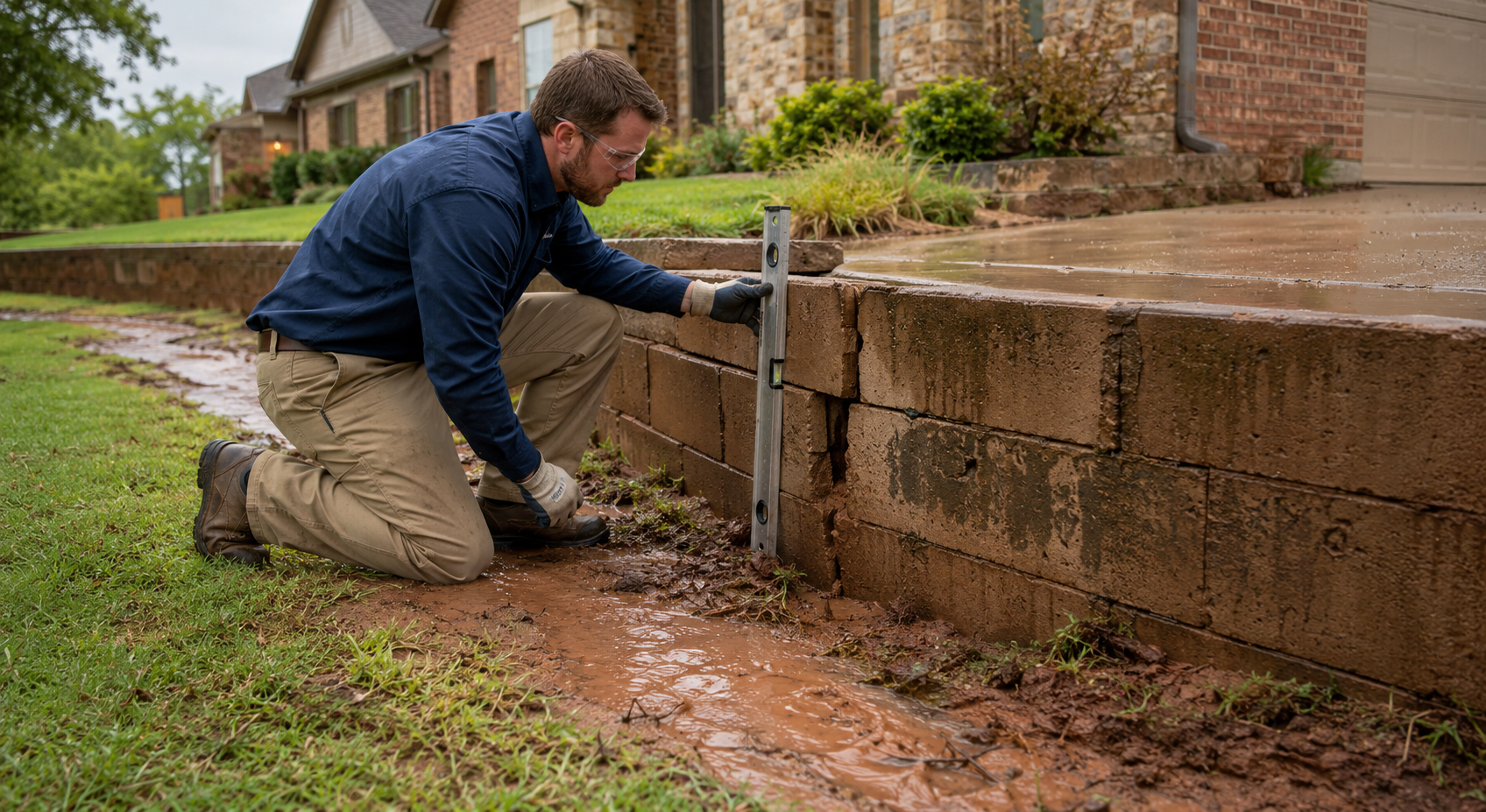
In Fort Worth, drainage should never be an afterthought when designing a retaining wall. Heavy rain events can overwhelm poorly designed walls, leading to hydrostatic pressure buildup and eventual collapse. The most effective retaining wall designs integrate drainage from the start.
This includes gravel backfill, perforated drain pipes, and proper grading to direct water away from the wall. Retaining walls that work beautifully over time are the ones that manage water as effectively as they manage soil. Ignoring drainage is one of the most common reasons retaining walls fail in North Texas.
Concrete is built to last, but neglect can shorten its lifespan. Explore concrete maintenance for Fort Worth homeowners to learn more.
Decorative Concrete Finishes That Match Fort Worth Homes
Concrete retaining walls do not have to look plain or industrial. Decorative finishes such as stamped textures, exposed aggregate, and integral color allow concrete walls to complement the surrounding architecture. In Fort Worth, where homes range from traditional ranch styles to contemporary builds, decorative concrete provides flexibility in design.
These finishes also perform well in the Texas climate. Unlike wood or untreated materials, decorative concrete does not warp, rot, or attract pests. When sealed properly, it resists moisture intrusion and UV damage, making it a practical choice for long-term outdoor use.
Retaining Walls That Double as Seating or Borders
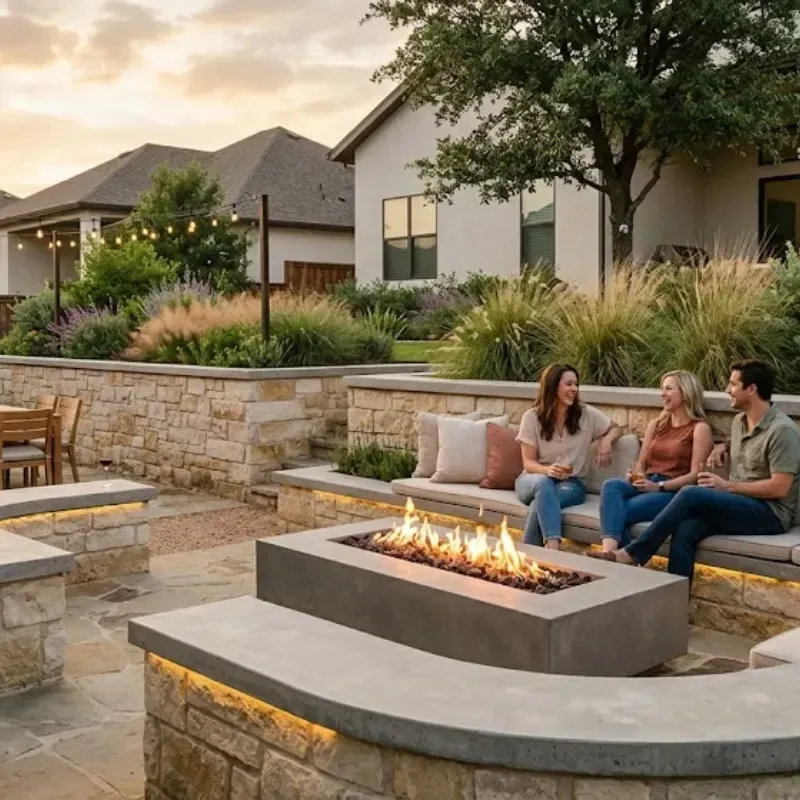
Functional design is a major trend in retaining wall construction. In Fort Worth landscapes, retaining walls often serve multiple purposes. Low retaining walls can double as seating along patios or fire pits. Taller walls can define property boundaries or separate outdoor zones.
This approach maximizes usable space and reduces the need for additional structures. It also creates a cohesive landscape design where structural elements feel intentional rather than purely functional. From a planning standpoint, combining form and function leads to better long-term results.
Understanding Local Soil and Permit Considerations
Retaining wall success in Fort Worth depends heavily on understanding local soil behavior and building requirements. Clay-heavy soils expand when wet and shrink during drought, placing stress on walls that are not properly engineered. Reinforcement, footing depth, and wall height must all account for these conditions.
Additionally, taller retaining walls may require permits or engineering approval depending on location and height. Factoring these requirements into the design phase prevents costly changes later and ensures the wall performs as intended.
Wrap Up
The best retaining wall ideas for Fort Worth are the ones grounded in local reality. Materials must withstand soil movement, drainage must be handled correctly, and design should complement the surrounding environment. Whether using poured concrete, segmental blocks, or natural stone, success depends on proper planning and execution.
A retaining wall that works beautifully in Fort Worth is not defined by trends or appearance alone. It is defined by durability, structural integrity, and how well it adapts to Texas conditions over time.
When those factors come together, the result is a retaining wall that enhances both the landscape and the value of the property.