Local Insight:
A residential sports court in Fort Worth can add value and enjoyment, but poor planning around noise, lighting, drainage, and placement can quickly create neighbor conflicts. The most successful projects balance performance with neighborhood impact by following local regulations, optimizing layout, and accounting for soil conditions unique to North Texas.
Adding a residential basketball or multi-sport court can dramatically increase functionality, recreation, and long-term property value. But in North Texas neighborhoods, success is not only determined by paint color, line markings, or goal height. It comes down to how well the court manages noise, lighting, drainage, and its overall impact on surrounding homes.
The difference between a smart project and a problematic one is planning. And that planning starts with understanding how your court affects more than just your backyard.
Noise: The Reality Most Homeowners Underestimate
Concrete surfaces are hard and reflective. Every basketball bounce, backboard vibration, and foot pivot creates sound that travels. In tighter Fort Worth subdivisions where homes sit closer together, that sound can carry farther than expected.
Sound reflection becomes worse when courts are placed near brick walls, privacy fences, or masonry home exteriors. Instead of dissipating, noise bounces. Evening games amplify the issue because background neighborhood noise is lower.
The City of Fort Worth enforces municipal noise regulations that can apply to repeated late-evening recreational sound. While casual play during reasonable hours is rarely an issue, consistent nighttime activity can generate complaints.Reducing sound impact starts with thoughtful placement and equipment selection.
Sports court services in Fort Worth suggest acrylic sports coatings, as they can slightly soften ball bounce compared to raw concrete. High-quality breakaway rims and properly mounted backboards reduce vibration. Even shifting a court several feet away from a boundary fence can meaningfully reduce reflected sound.
Noise control is not about restricting fun. It is about understanding how sound behaves on hard surfaces in dense neighborhoods.
Lighting: Where Good Intentions Go Wrong
Lighting is where most residential court problems begin. Homeowners want extended playtime during fall and winter when daylight fades early. That is reasonable. What causes friction is overpowered or poorly aimed lighting.
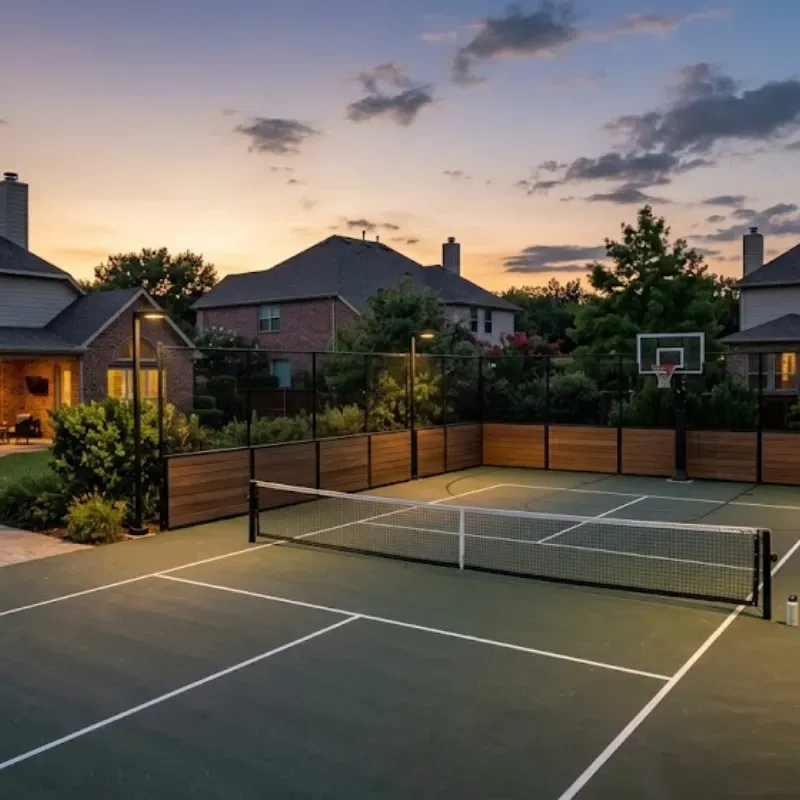
Glare and light spill are the true issues. When floodlights are mounted too high or angled incorrectly, light shines directly into neighboring windows. This is especially problematic in Fort Worth neighborhoods where two-story homes overlook adjacent yards.
According to our expert court installers, downward-facing, shielded LED fixtures are the smart solution. Lower mounting heights, inward aiming angles, and automatic shutoff timers protect neighbor relationships while maintaining safe play conditions. LED systems also perform better in Texas heat and require less maintenance than older lighting technologies.
Lighting should illuminate the playing surface, not the entire block.
Placement and Property Line Awareness
Court placement determines how every other factor behaves. A court installed directly against a shared fence line will always create more tension than one positioned thoughtfully within the lot.
Fort Worth’s Planning and Development Department regulates setbacks and accessory structures, and HOAs often have their own requirements for fencing, lighting poles, and site modifications. Even if the playing surface itself seems straightforward, added elements may trigger review.
We have seen projects slowed simply because homeowners assumed flatwork required no approvals. Verifying zoning, setback requirements, and HOA standards before construction prevents expensive changes later.
Orientation matters just as much as distance. Facing a hoop toward a neighbor’s patio or outdoor living space increases sound concentration in that direction. Angling the court slightly can redirect noise away from primary gathering areas. For homeowners planning a durable backyard setup, this
multi-sport concrete court design guide explains what to consider in Fort Worth..
Drainage and Soil Movement in North Texas
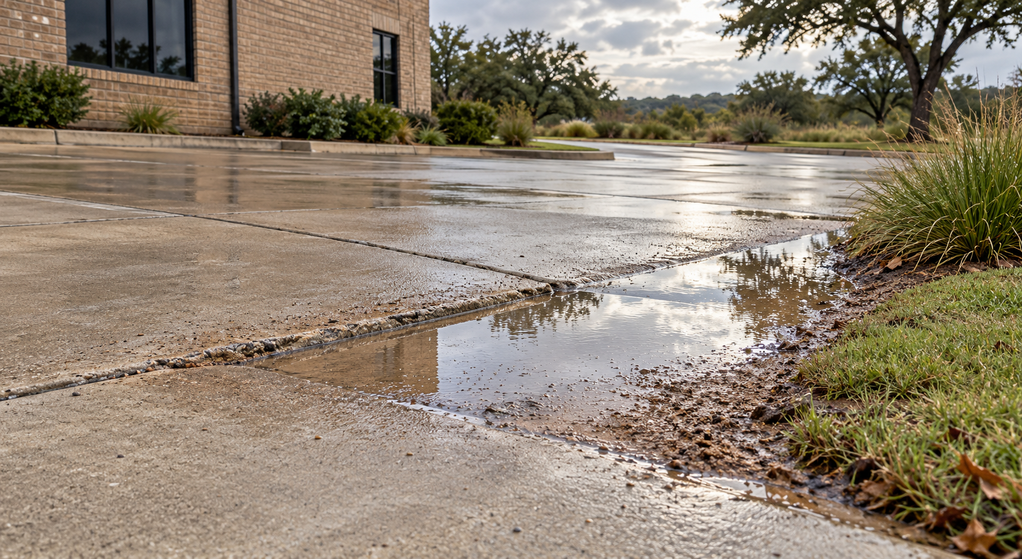
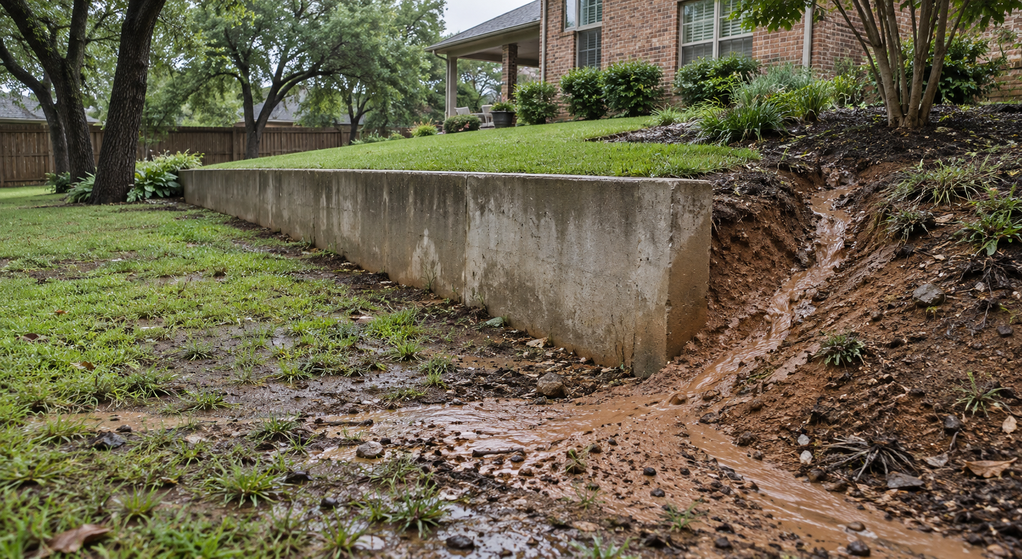
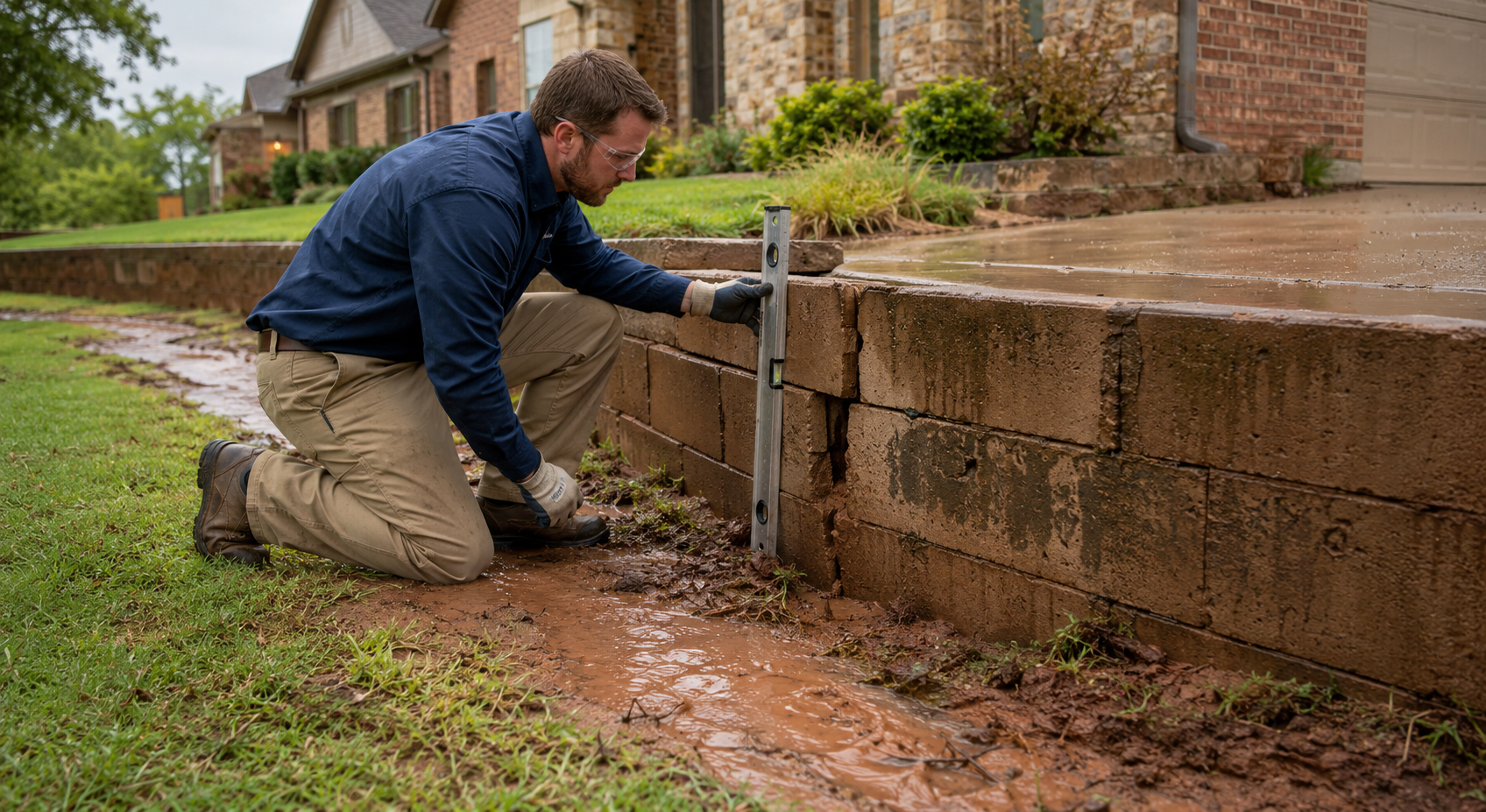
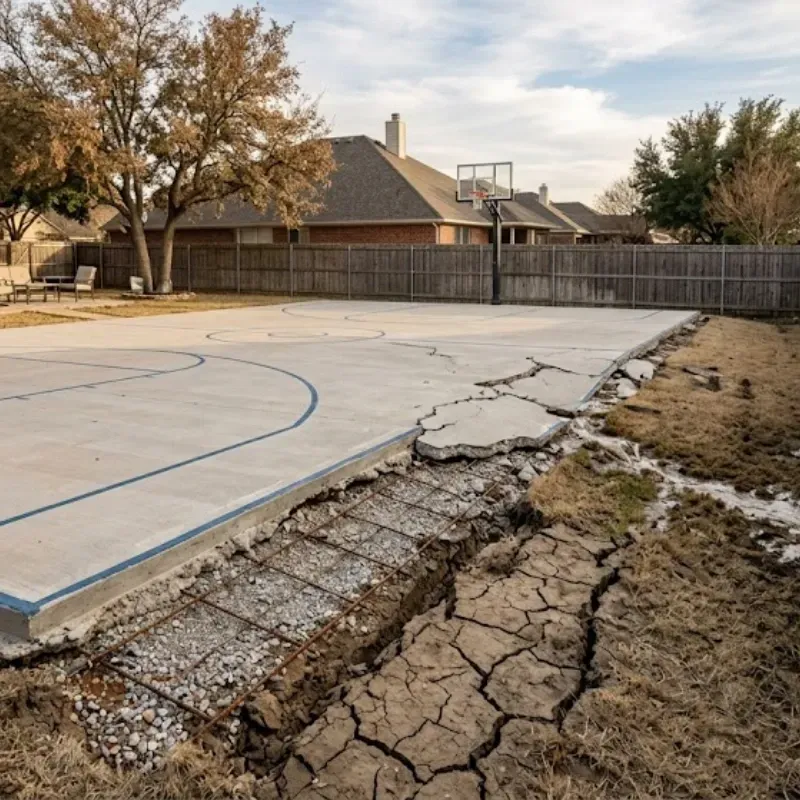
Fort Worth’s expansive clay soils expand when wet and shrink when dry. Improper subgrade preparation leads to cracking and uneven surfaces over time. That is a structural issue, but it can also become a neighborhood issue if drainage is poorly managed.
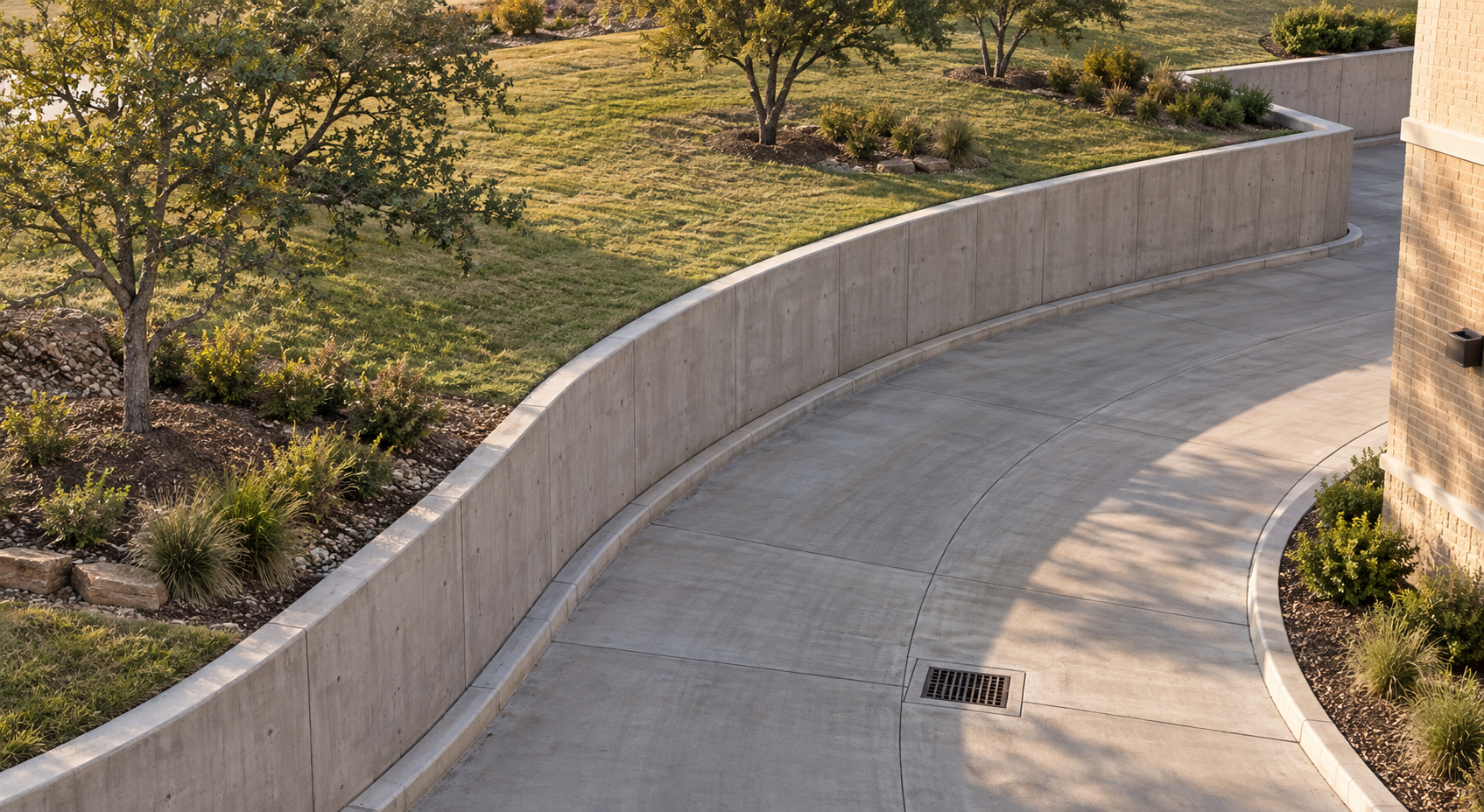
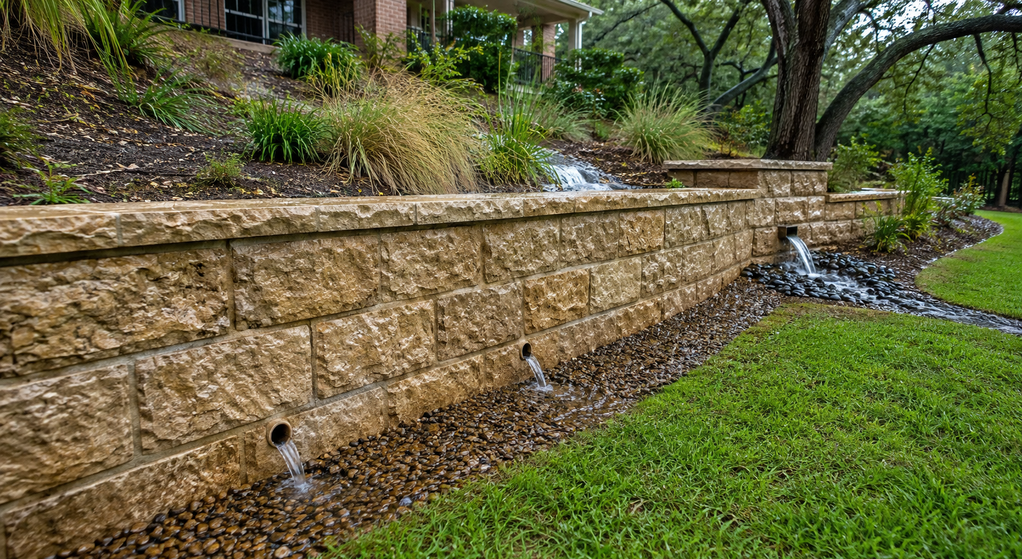
Courts must be graded to direct runoff appropriately. Concentrated water flow toward adjacent properties creates disputes quickly. The Texas Commission on Environmental Quality provides Texas stormwater guidance that highlights the importance of controlled runoff in developed areas.
Proper slope, compacted base material, and reinforcement suited to local soil conditions are not optional details. They are essential for longevity and neighbor protection.
Tradeoffs Every Homeowner Must Consider
There is no perfect court design that maximizes every benefit without compromise. Every decision carries tradeoffs.
More lighting increases usability but raises glare risk. Larger courts improve playability but reduce open yard space. Tall, solid fencing adds privacy but can trap and reflect sound.
The smartest projects are not the largest or brightest. They are the ones that balance recreation with context.
Common Mistakes to Avoid
In our experience across the Dallas Fort Worth area, most residential court problems stem from preventable oversights:
- Installing commercial-grade lighting on a residential lot
- Ignoring HOA or city requirements until after construction
- Skipping drainage planning
- Placing equipment directly along property lines
- Choosing surface systems without considering sound impact
These are not design flaws. They are planning mistakes. To help you plan properly, review this guide to residential basketball court installation in Fort Worth.
Why Fort Worth Requires a Location-Specific Approach
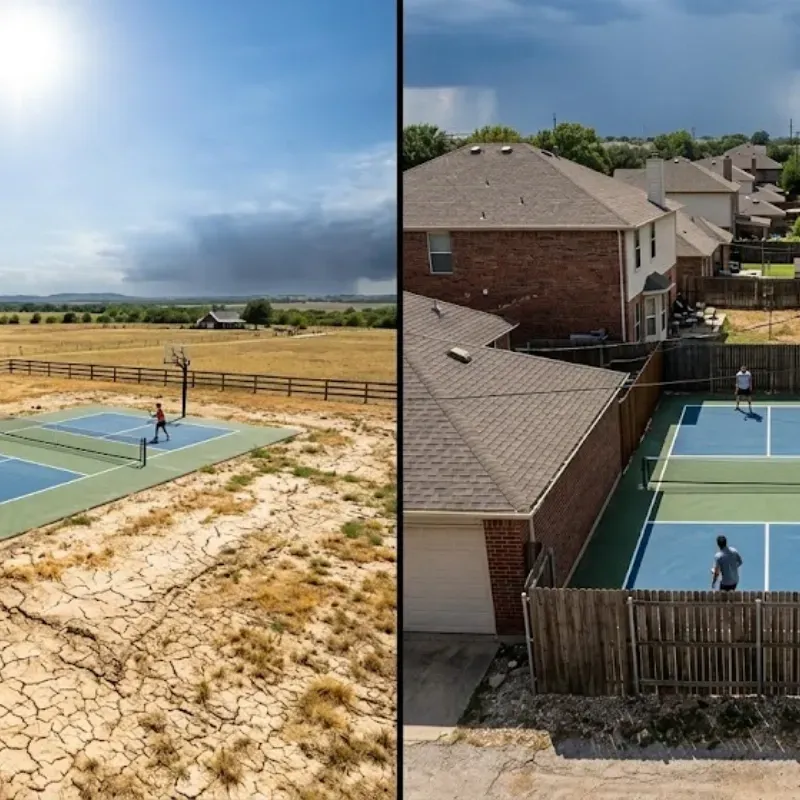
Advice from other regions does not always translate to North Texas. Clay soil movement, intense heat, and sudden rain events require specific construction strategies. Neighborhood density varies widely between older central Fort Worth communities and newer master-planned subdivisions.
A court that works on a rural acreage property may create tension in a tighter urban neighborhood. Context determines design.
The Clear Takeaway
A residential sports court in Fort Worth can absolutely enhance a home. The key is proactive planning that respects noise travel, light direction, drainage flow, and neighborhood proximity.
Before construction begins, homeowners should review local regulations, evaluate lighting carefully, consider placement angles, and account for soil behavior. A short conversation with neighbors ahead of time often prevents long-term friction.