Design Breakdown:
Designing a multi-sport concrete court in Fort Worth requires careful planning of size, layout, soil preparation, drainage, and reinforcement to ensure long-term durability. Prioritizing one primary sport, using climate-appropriate materials, and accounting for expansive clay soil and heat conditions are key to building a court that performs reliably for years.
One of the best outdoor investments for a Fort Worth homeowner is a multi-sport concrete court. When done correctly, it adds year-round functionality, increases property value, and creates a durable play surface that can handle basketball, pickleball, volleyball, and more. However, it becomes an expensive slab that cracks, drains badly, or limits the sports it was meant to support when done poorly.
If you want a court that performs well for decades in Fort Worth’s climate, the design decisions matter more than the brand of paint or the type of net you install later.
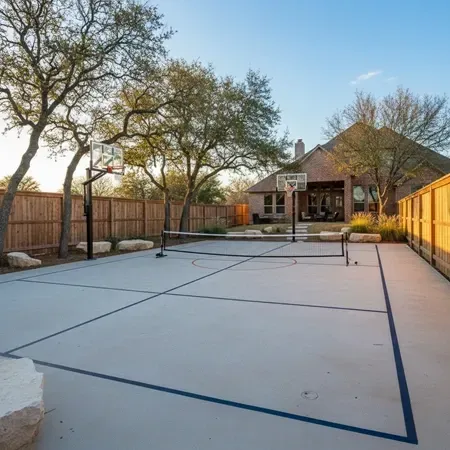
Determining the Right Size and Layout
The first design decision is the footprint of the court. Many homeowners design around the space they have instead of the sport they want to play. This leads to cramped sidelines, poor shooting angles, and unsafe boundaries.
Basketball usually sets the minimum size requirements. A functional half-court must allow proper movement, rebounding, and spacing. Pickleball and volleyball can be added later, but the slab must be large enough from the beginning. Undersized courts are one of the most common mistakes we see in residential projects.
Before construction begins, concrete sports court services in Fort Worth suggest that playing dimensions and safety buffer zones should be verified using established recreational standards.
Designing for Fort Worth Soil Conditions
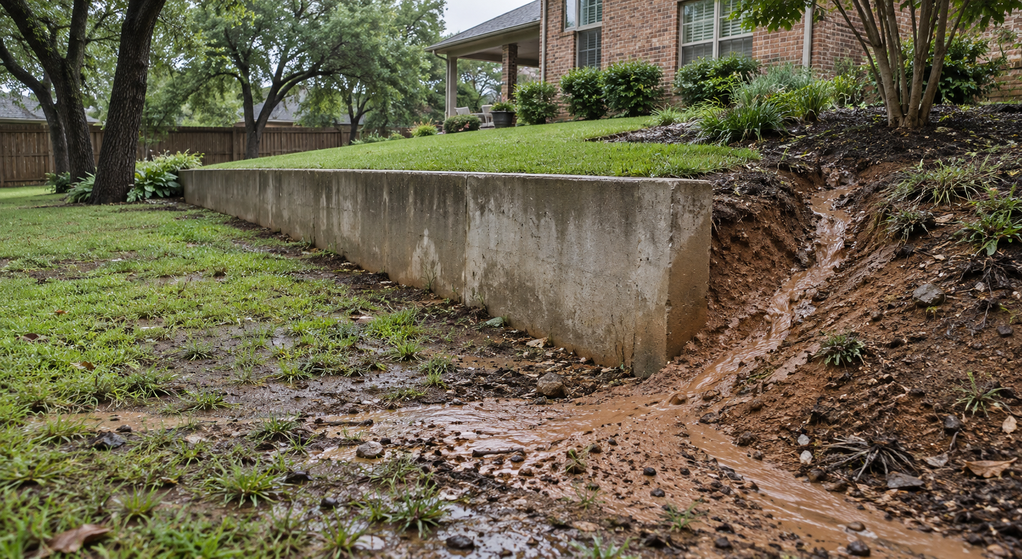
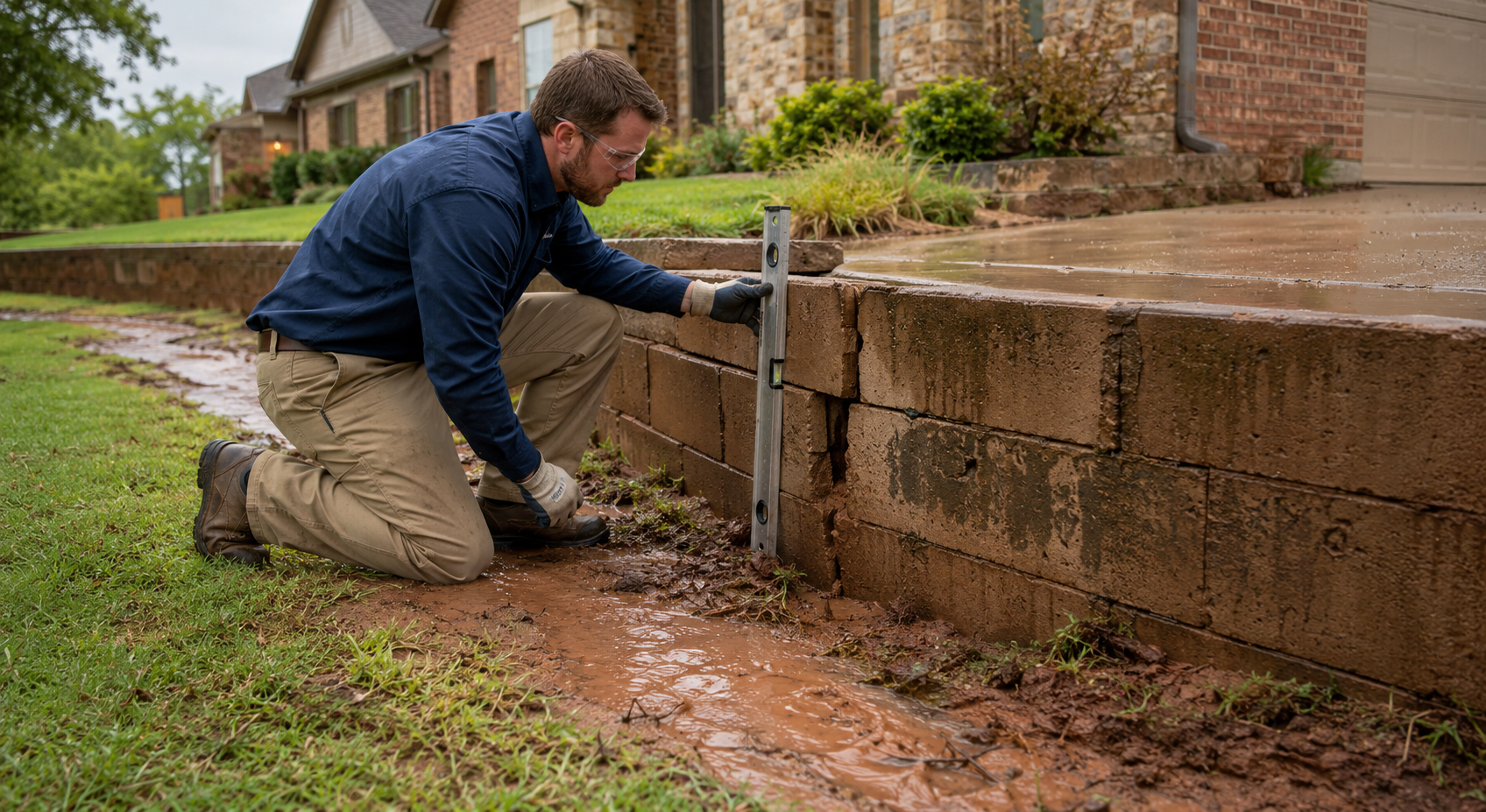
Fort Worth is built on expansive clay soils that swell when wet and shrink when dry. This movement places constant stress on concrete slabs. Without proper base preparation and reinforcement, even well-finished courts will develop cracks prematurely.
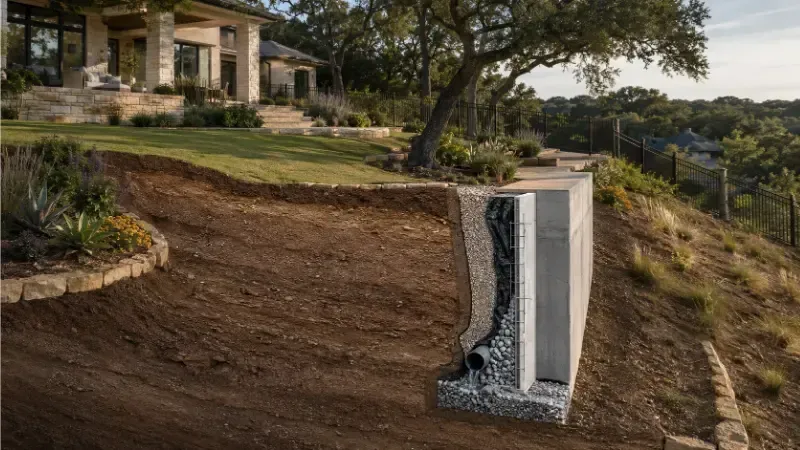
According to our sports court installers, long-term performance depends more on what is beneath the slab than on what is visible at the surface. A properly compacted subgrade and a stable crushed limestone base reduce vertical movement and help distribute loads evenly across the slab.
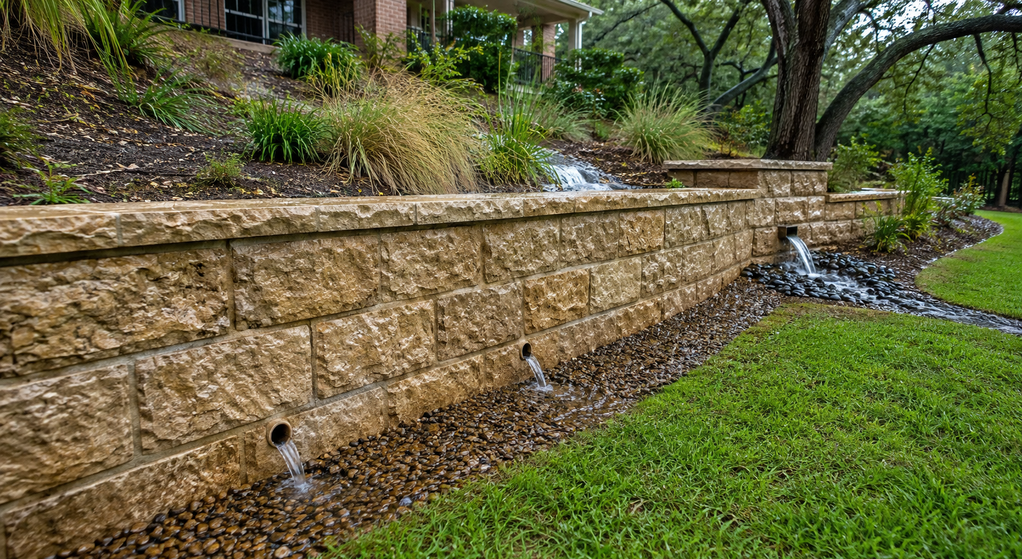
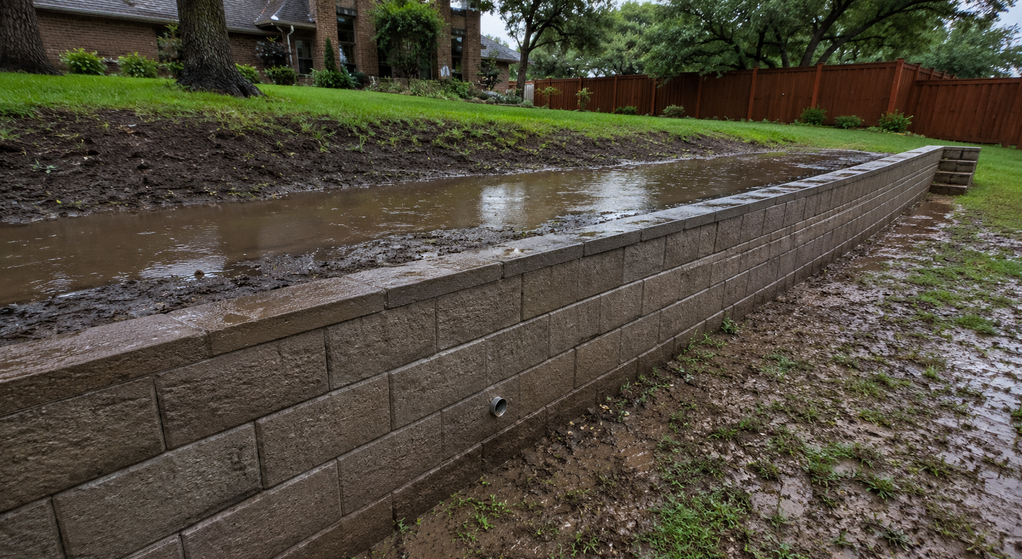
Drainage is equally important. Courts that trap water deteriorate faster and become unsafe to use. Surface slopes and surrounding grading must move water away from the slab edges and prevent standing water on the playing surface.
Selecting Concrete Strength and Reinforcement
Concrete strength and reinforcement determine how well the slab resists cracking and surface breakdown. For outdoor sports courts in this region, a 4,000 PSI concrete mix is a practical minimum. Lower-strength mixes may reduce upfront cost, but they increase the risk of early surface wear and structural cracking.
Thickness alone does not prevent cracking. Reinforcement and control joint placement are what manage how concrete moves as it cures and as soil shifts beneath it. Courts that rely only on thicker pours without proper steel reinforcement almost always develop uncontrolled cracks. The American Concrete Institute explains how reinforcement and joint layout work together to control slab movement and improve service life.
Choosing a Safe and Functional Surface Finish
Surface finish has a direct impact on safety and playability. Highly polished finishes become slippery when wet. Heavy broom textures interfere with ball movement. Decorative stamped finishes may look appealing, but they create inconsistent traction and unpredictable bounce.
For multi-sport use, a smooth float finish combined with a specialized acrylic sport coating provides the best balance of grip, durability, and ball response.

Skipping coatings is a common cost-saving decision that usually leads to faster wear and increased maintenance. To learn more, explore The Importance of Proper Concrete Maintenance for Fort Worth Homeowners.
Planning Line Layout Before Construction
Line layout should never be an afterthought. Basketball, pickleball, and volleyball lines often overlap, and poor planning leads to visually confusing courts that are difficult to use.
In our work, the most successful projects plan line placement and net post locations before the concrete is poured. Installing sleeves and anchors during construction avoids drilling into finished slabs later, which introduces stress points that increase cracking risk.
Understanding the Tradeoffs of Multi-Sport Design
A multi-sport court is always a compromise. A surface optimized for basketball will never be perfect for tennis. A court designed equally for too many sports often performs poorly for all of them.
The smartest approach is choosing one primary sport and designing secondary uses around that priority. Courts that try to serve every sport equally often fail to serve any of them particularly well.

Budget Decisions That Affect Longevity
Long-term performance is driven by base preparation, reinforcement, drainage, and coatings. Cutting corners in these areas almost always leads to repairs within the first decade. That’s why expert knowledge is essential. If you are planning to install it yourself, check out
DIY vs. Professional Concrete Installation.
Why Fort Worth Requires a Different Approach
Design advice from other regions often fails in North Texas. Fort Worth experiences expansive clay soils, extreme summer heat, intense UV exposure, and seasonal moisture swings. These conditions require stronger mixes, better reinforcement, and stricter drainage control than many northern climates.
This is why local design experience matters more than generic national recommendations.
Final Takeaway
A multi-sport concrete court is only as good as its foundation, drainage, and layout. The most successful courts in Fort Worth are designed for soil movement first, built around one primary sport, and finished with coatings that protect the surface from heat and moisture.
The next step is not choosing colors or nets. It is evaluating your soil, space, and primary sport before any concrete is placed. That decision determines everything that follows.