Planning Essentials:
Installing a residential basketball court in Fort Worth requires careful planning around space, soil conditions, drainage, and material selection to ensure long-term performance. With expansive clay soil and extreme heat, proper foundation preparation, reinforcement, and surface choice are critical to prevent cracking, maintain playability, and maximize durability over time.
How much space do you actually need for a backyard basketball court in Fort Worth? What type of concrete holds up against Texas clay soil and 100-degree summers? And will your court still look and perform the same ten years from now? Those are the real questions homeowners are asking before committing to a residential basketball court installation. Not just how it will look, but whether it will last.
Space Requirements: What You Truly Need
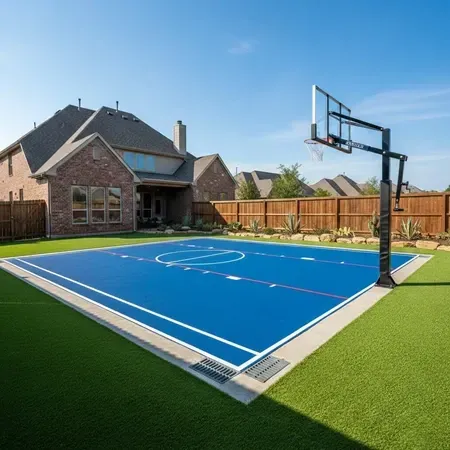
A full NBA court measures 94 by 50 feet. That size is unrealistic for most residential properties. For backyard installations, concrete sports court services In Fort Worth typically see three practical options:
- Half court: 50 by 42 feet
- Recreational half court: 30 by 30 feet
- Shooting lane setup: 25 by 30 feet
What matters more than exact dimensions is clearance space. We recommend at least 5 feet of buffer around playing boundaries. In our experience, homeowners often underestimate run-off space, which increases safety risks and ball retrieval issues.
Fort Worth lots vary widely depending on whether you are in established neighborhoods near TCU or newer developments in North Fort Worth. HOA restrictions may also dictate setback lines and slab coverage limits. Always verify zoning and lot coverage rules through the City of Fort Worth Planning Department.
Soil and Foundation: The Hidden Deciding Factor in Texas
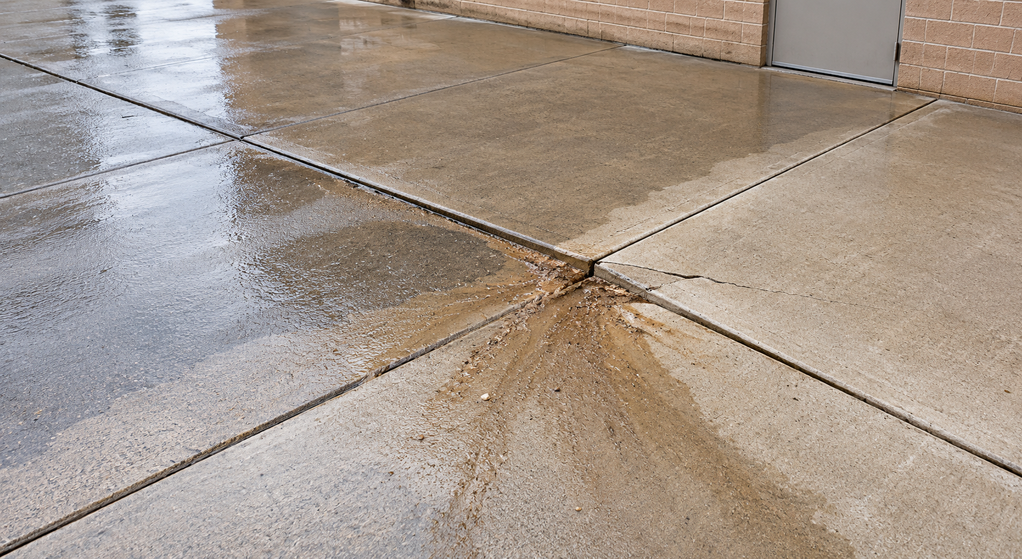
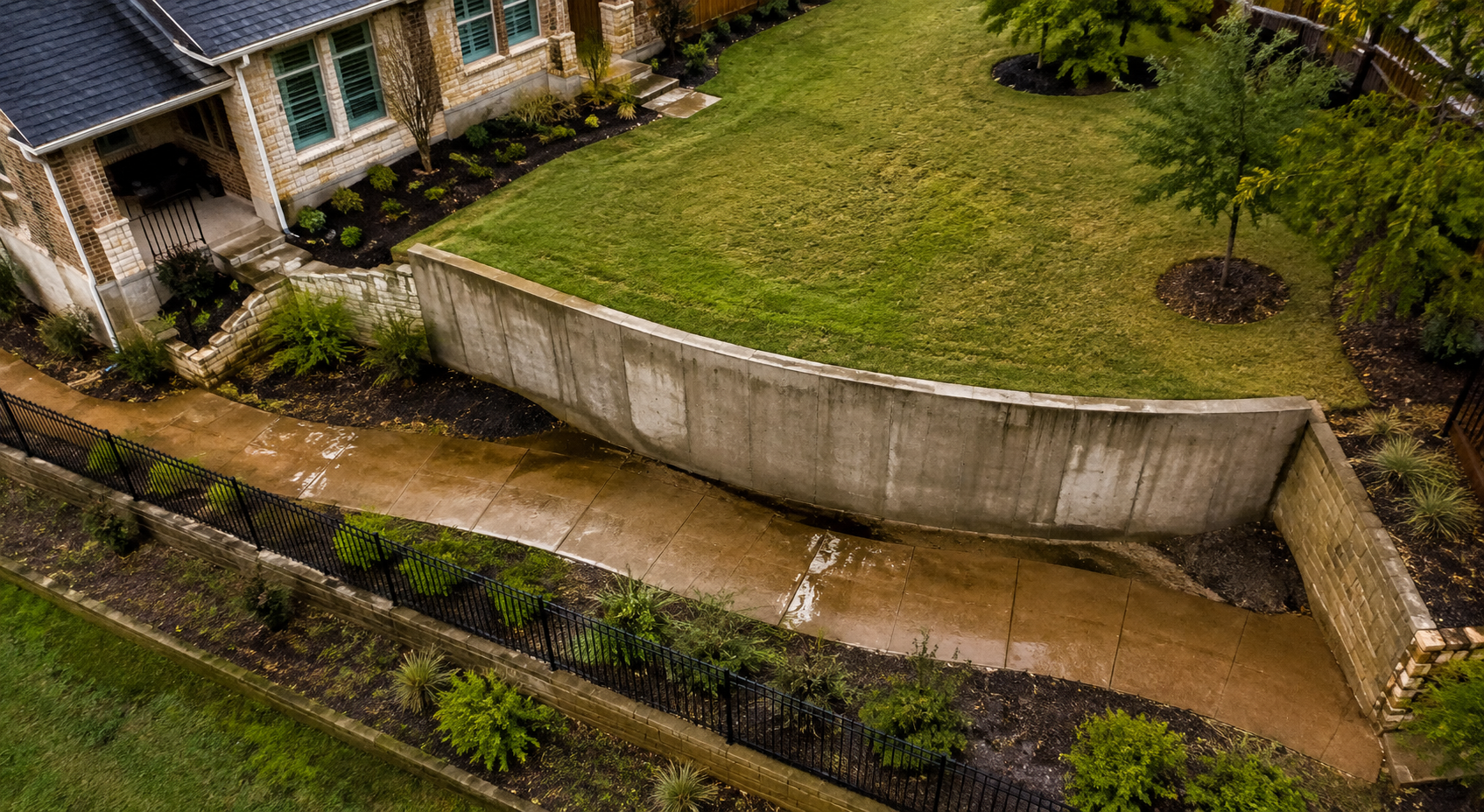
Fort Worth sits on expansive clay soil. According to the Texas A&M AgriLife Extension, clay-heavy soils expand when wet and shrink during drought conditions. That constant movement stresses concrete slabs and causes cracking if preparation is poor.
This is where most residential basketball courts fail.
Proper installation requires:
- Soil stabilization and compaction
- Minimum 4-inch reinforced concrete slab for light recreational use
- 5 to 6 inches if heavy use is expected
- Steel reinforcement such as rebar grid or wire mesh
- Control joints placed strategically to manage cracking
Based on over 20 years working across the Dallas Fort Worth Metroplex, our sports court specialists have seen improperly compacted base layers cause slab failure within three years. Courts are only as strong as what sits beneath them.
Choosing the correct PSI mix also matters. In North Texas heat cycles, we recommend at least 3500 PSI concrete with air entrainment adjusted for local climate conditions. Skipping quality mix design to save money is never worth it.
Drainage
Flat surfaces still need slope.
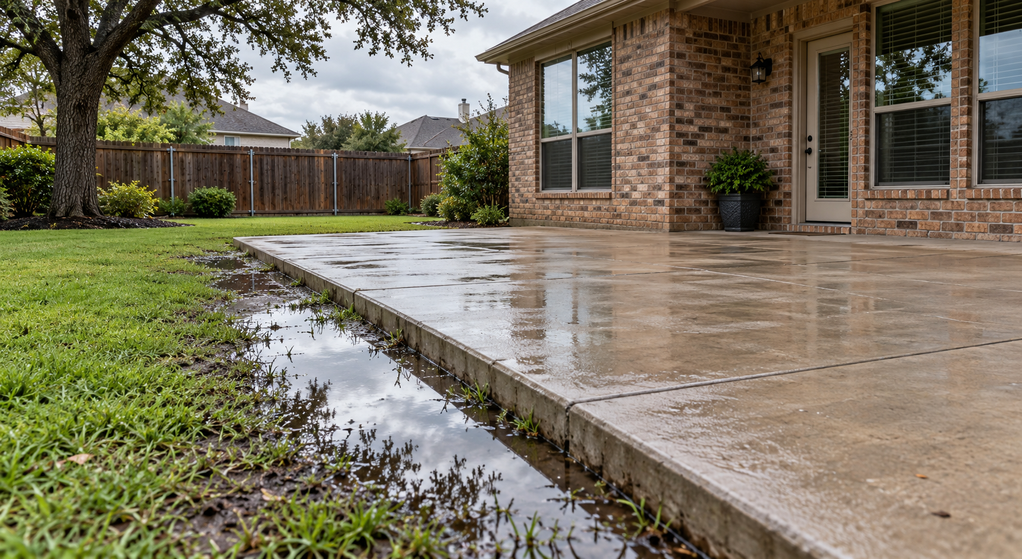
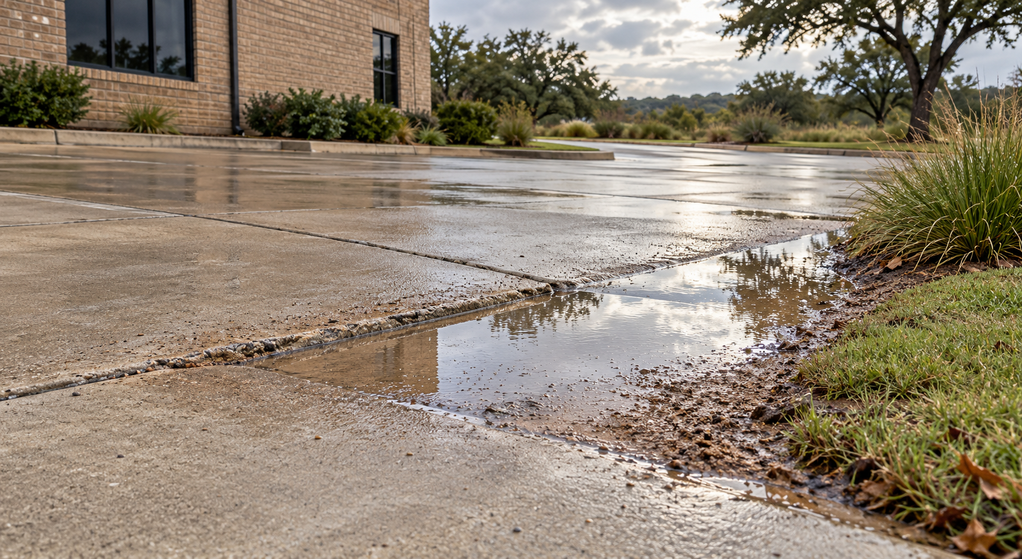
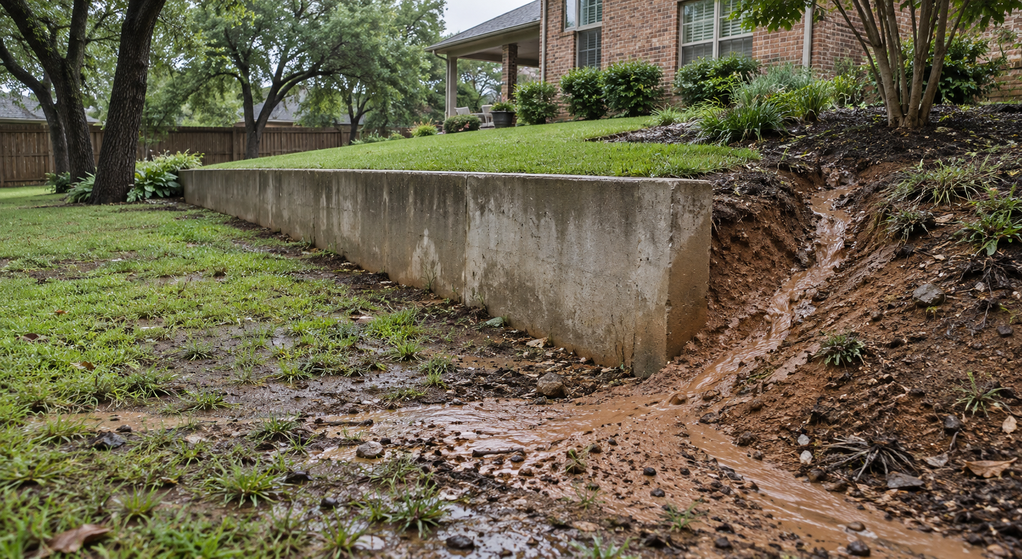
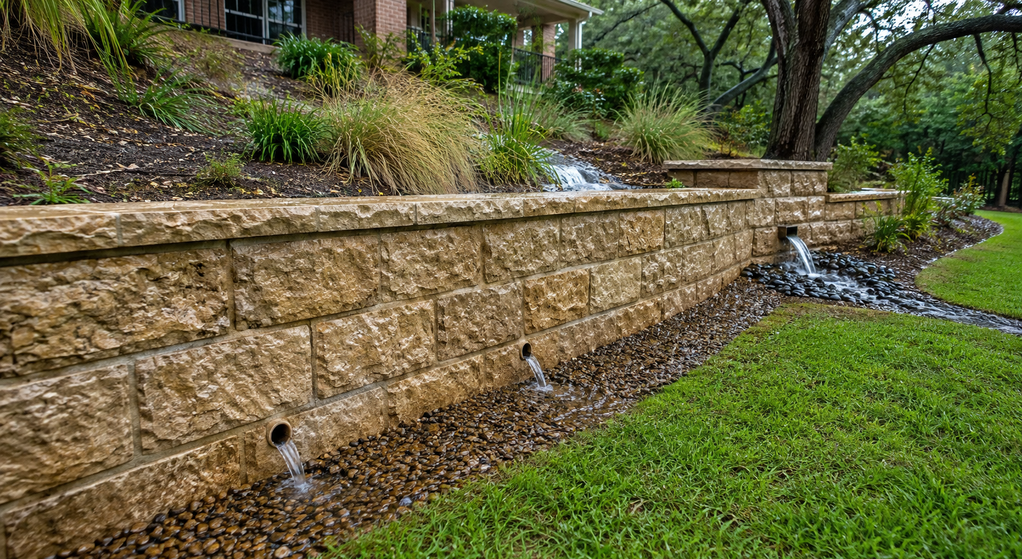
Residential basketball courts should have a slight slope of about 1 percent to allow proper water runoff. Without this, water pools, surface coatings degrade, and slippery play conditions develop.
Fort Worth experiences intense rainfall events, particularly in spring. The National Weather Service shows the region receives an average of 36 inches of rain annually, often in heavy bursts.
Proper grading and perimeter drainage prevent long-term damage. We have seen courts built perfectly level that required complete resurfacing within five years due to standing water damage.
Drainage is not visible when finished, but it determines lifespan.
Surface Options: Concrete vs Modular Sport Tiles
There are two primary surface approaches for residential basketball courts in Fort Worth.
Traditional Concrete Surface
This is the most durable and cost-effective long-term solution.
Advantages:
- Permanent structural stability
- Low maintenance
- Customizable with acrylic sport coatings
- Long lifespan when installed correctly

Drawbacks:
- Harder surface impact
- Requires proper joint placement to control cracking
Acrylic sport coatings applied over cured concrete improve traction and color customization. These coatings also reduce surface temperature slightly during peak summer heat.
Modular Sport Tiles
Interlocking tile systems sit over a concrete base.
Advantages:
- Shock absorption
- Easy customization
- Replaceable panels
Drawbacks:
- Higher upfront cost
- Can shift if base slab is poorly installed
- Less permanent appearance
In our experience, modular systems work well for families prioritizing joint comfort. However, if the underlying slab is not engineered correctly for Texas soil movement, tile systems cannot compensate.
Material selection is not about preference alone. It is about climate, budget, and intended use. To help you, here is a guide to concrete vs. modular tile courts.
Orientation and Sun Exposure
In Fort Worth, summer heat routinely exceeds 100 degrees. Court orientation significantly affects playability.
Ideally, courts should be oriented north to south so players are not shooting directly into the rising or setting sun. This simple design adjustment improves usability more than most homeowners realize.
Surface color also impacts heat absorption. Darker coatings retain more heat. Lighter tones stay slightly cooler but may show dirt more visibly.
We advise homeowners to consider nearby tree coverage. Strategic shade placement can improve comfort without interfering with root systems that could damage slabs.
Common Mistakes Homeowners Make
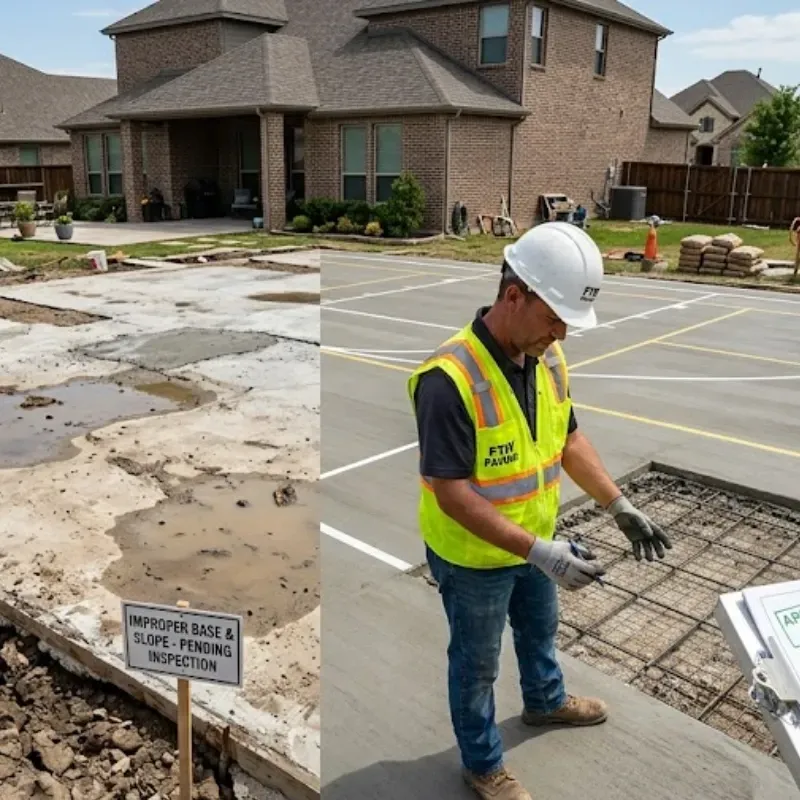
- Ignoring soil prep
- Choosing the lowest bid without reviewing reinforcement specs
- Skipping proper slope
- Using residential driveway mix instead of sport-grade concrete
- Installing without permits when required
The City of Fort Worth may require permits depending on slab size and property modifications. Always verify requirements to avoid costly compliance issues.
A residential basketball court is not just a patio extension. It demands structural thinking. Here is a guide to help you better understand
multi-sport concrete court design.
Long-Term Maintenance in North Texas
Concrete courts require minimal upkeep but should be inspected annually for:
- Surface cracks
- Joint separation
- Coating wear
- Drainage issues
Hairline cracks are normal. Structural cracks are not.
Reapplying sport coatings every 5 to 8 years helps maintain traction and appearance. Texas UV exposure accelerates surface fading, so coating quality matters.
Preventative maintenance always costs less than major repairs.
Wrap Up
Plan around soil conditions, prioritize drainage, select proper reinforcement, and think about long-term usability, not just initial appearance.
A properly designed and installed residential basketball court in Fort Worth can last 25 years or more with routine maintenance.
The key takeaway is simple. Focus on foundation quality, climate-adapted materials, and realistic space planning. Everything else builds from that.