Material Comparison:
Block, stone, and timber retaining walls each offer distinct advantages, but their performance varies based on durability, cost, and soil conditions. Concrete block provides the most reliable long-term stability, stone offers premium aesthetics with skilled installation, and timber suits low-cost, short-term projects with higher maintenance and limited lifespan.
After completing many outdoor structures across Texas for decades, it becomes evident that each option carries strengths that fit specific conditions. Some materials will last for generations, while others are better suited for temporary or lightweight needs. If you want to save thousands in repairs and prevent failures that could have been avoided, it is best to understand these differences.

Block Retaining Walls
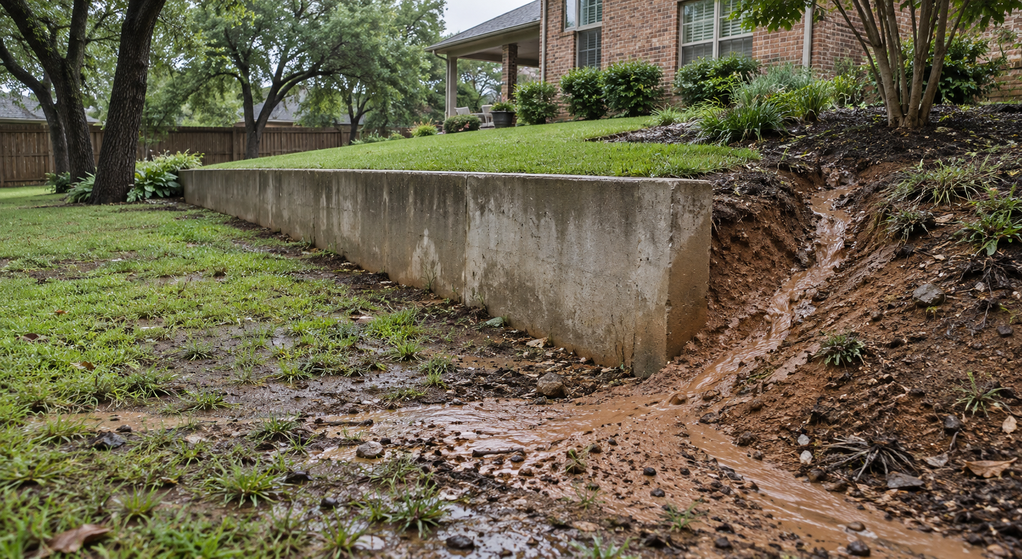
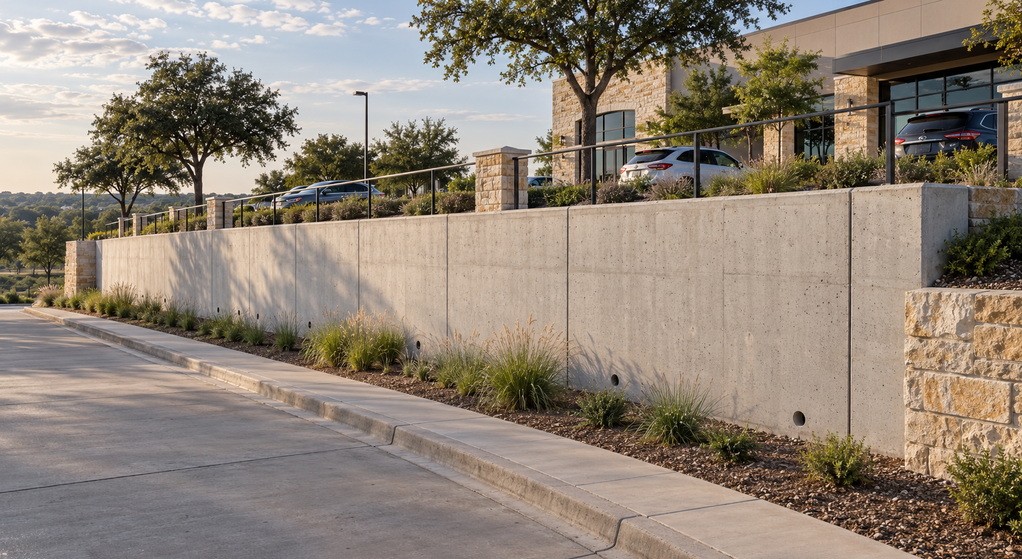
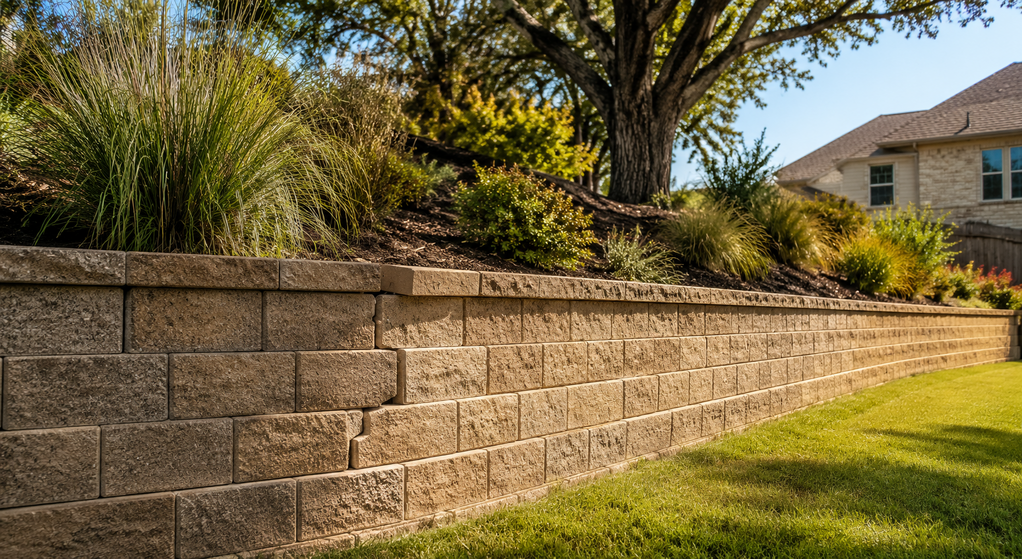
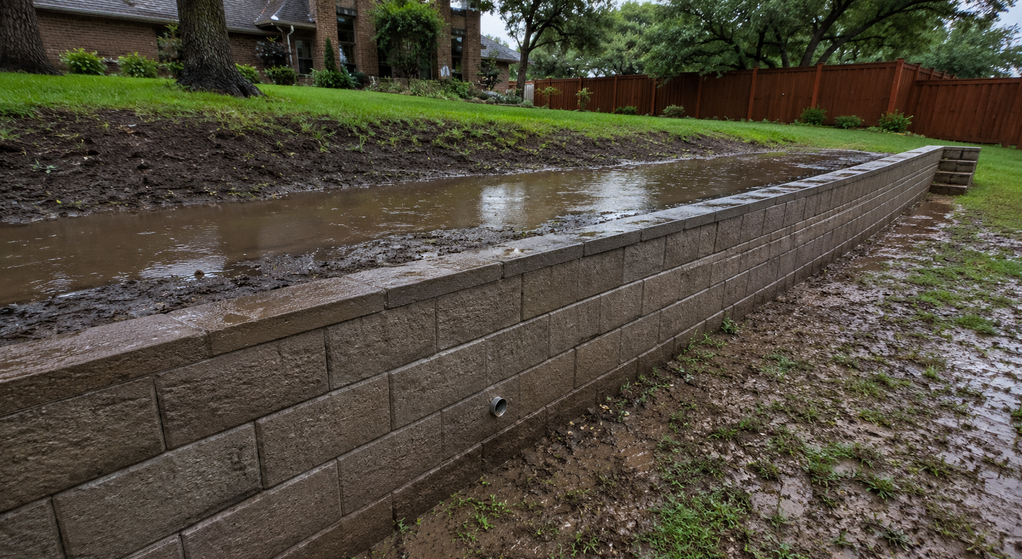
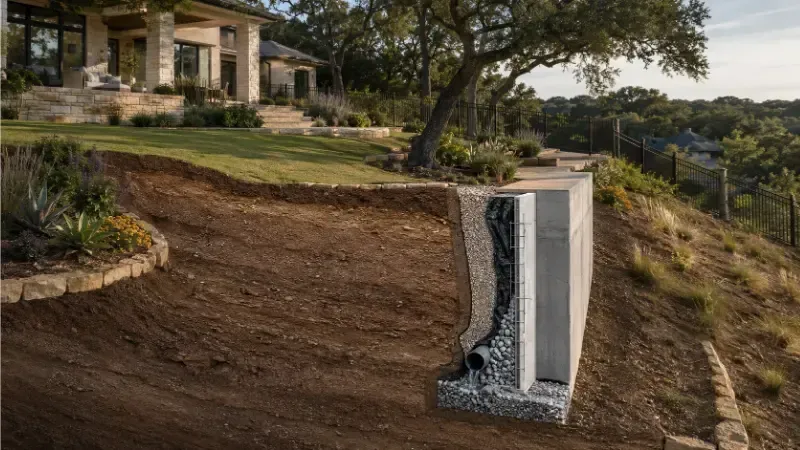
Concrete block walls tend to outperform the other materials in overall reliability. The units interlock, stack with consistency, and respond well to proper backfill and drainage. When built correctly, block walls stay straight, resist movement, and handle the heavy clay soils found throughout the Dallas–Fort Worth region.
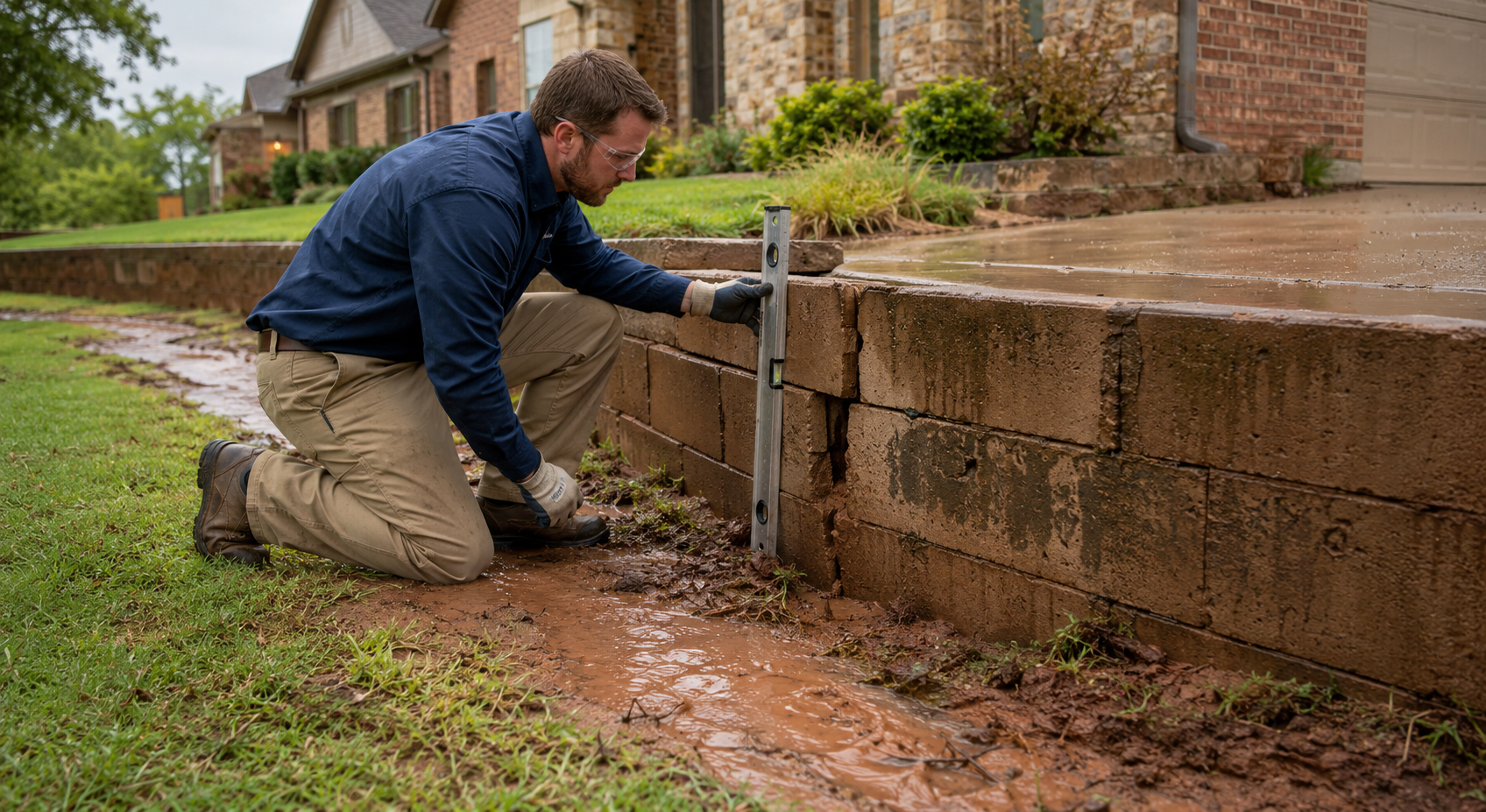
Homeowners often choose block because it offers the most control. Each unit is uniform, so the wall behaves as a designed structure instead of a natural one with unpredictable weaknesses. This matters when the soil behind the wall expands during wet seasons. Concrete blocks resist lateral pressure and settle in a controlled way. This stability is usually worth the investment.
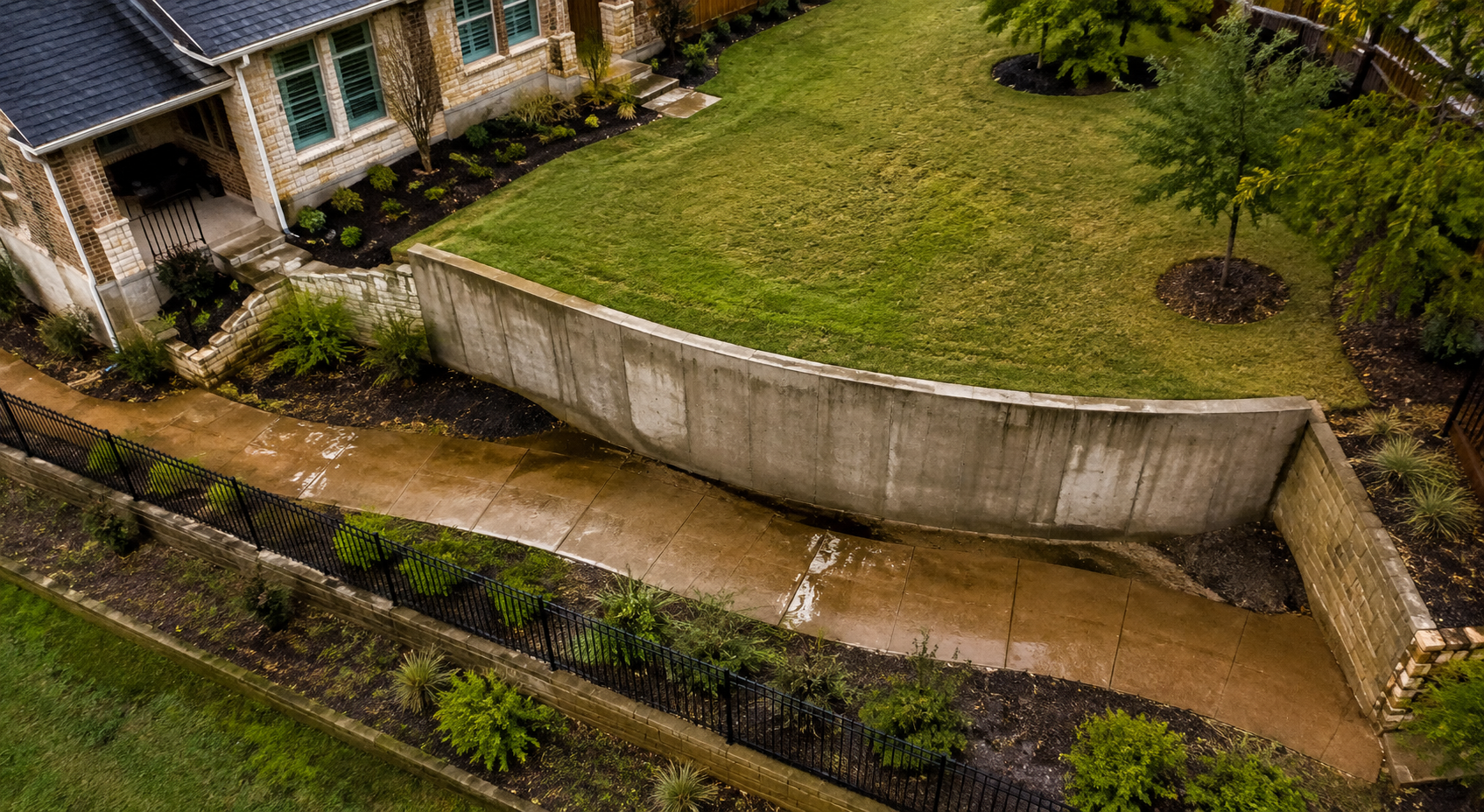
Block walls also adapt well to slopes. Terracing, stepped designs, or curves are easy to accomplish without sacrificing strength.
Maintenance is minimal aside from checking drainage and ensuring no water collects behind the wall. According to retaining wall services in Fort Worth, If the goal is durability, structural integrity, and long-term value, block walls typically stand at the top of the list.
Stone Retaining Walls
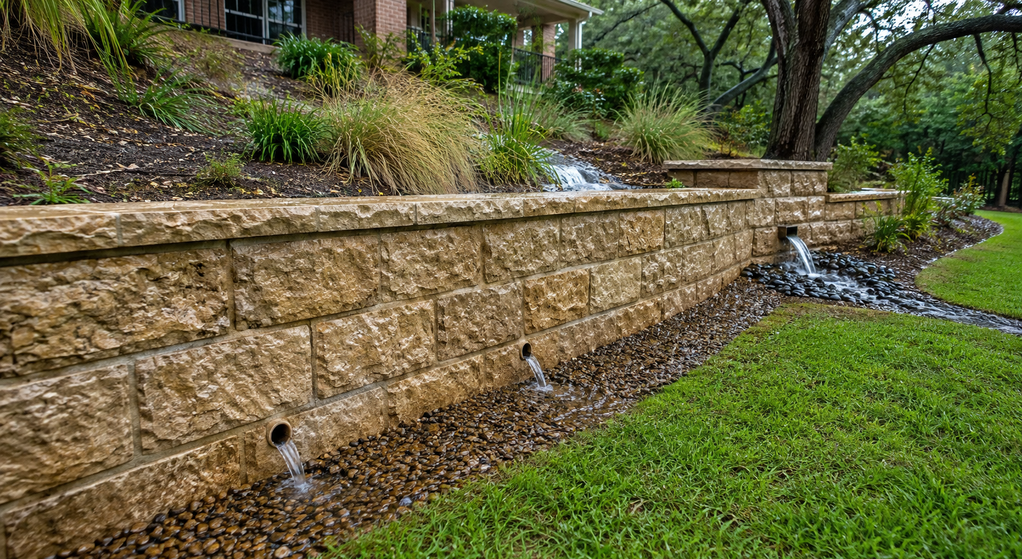
Stone delivers unmatched character, but it introduces challenges that many homeowners do not anticipate. A stone wall can blend naturally with landscaping and elevate the visual appeal of a property. It also performs well when built by someone who understands load paths, drainage behavior, and how irregular shapes lock together. Without that level of skill, the risk of shifting increases.
The biggest misconception our retaining wall experts have noticed about stone is that it guarantees superior strength simply because it is a natural material. But in reality, the structural performance depends entirely on how the stones are selected and placed. Flat stones create more stability than rounded ones. Thick stones resist pressure better than thin ones. Gaps must be minimized or strategically filled. When these principles are ignored, the wall becomes vulnerable to bulging or separating under soil pressure.
Another issue is weight distribution. Texas soils expand and contract with moisture changes, and irregular stone joints respond unevenly to these movements. This can introduce small shifts that grow over time. A well-built stone wall can last for decades, but it requires a knowledgeable builder and a higher budget. In return, the homeowner gets a unique, timeless aesthetic that no manufactured material can truly replicate.
Timber Retaining Walls
Timber walls are popular because they seem cost-effective and simple. They work well for garden beds, low-height structures, or temporary landscaping solutions. For projects that do not require long-term structural performance, timber fulfills the job.
However, timber loses the comparison when longevity enters the discussion. Soil moisture, insects, and natural decay slowly break down the wood. Even treated lumber eventually softens or shifts. This is especially true in regions with clay-heavy soils that hold moisture for long periods.
Timber also lacks the weight to counter strong lateral forces. A tall timber wall may bow or lean if loads increase beyond what the structure was originally designed to handle. Drainage helps, but drainage alone cannot stop the wood from aging. For homeowners expecting decades of reliability, timber often becomes a maintenance commitment rather than a lasting solution.
Still, timber can make sense for low retaining walls, decorative barriers, or spaces where the goal is function over lifespan. Its natural appearance is appealing, and the installation is faster than block or stone. It simply should not be treated as a permanent structure in most conditions.
Durability, Cost, and Maintenance
Durability
Block generally lasts the longest with the least structural movement. Stone can last just as long when built with expertise, though the risks are higher due to natural irregularities. Timber usually has the shortest lifespan, even when pressure-treated.
Cost
Timber is usually the lowest upfront cost. Block falls in the middle, providing a strong balance of price and performance. Stone tends to be the highest investment because installation requires skill, time, and often specialized tools.
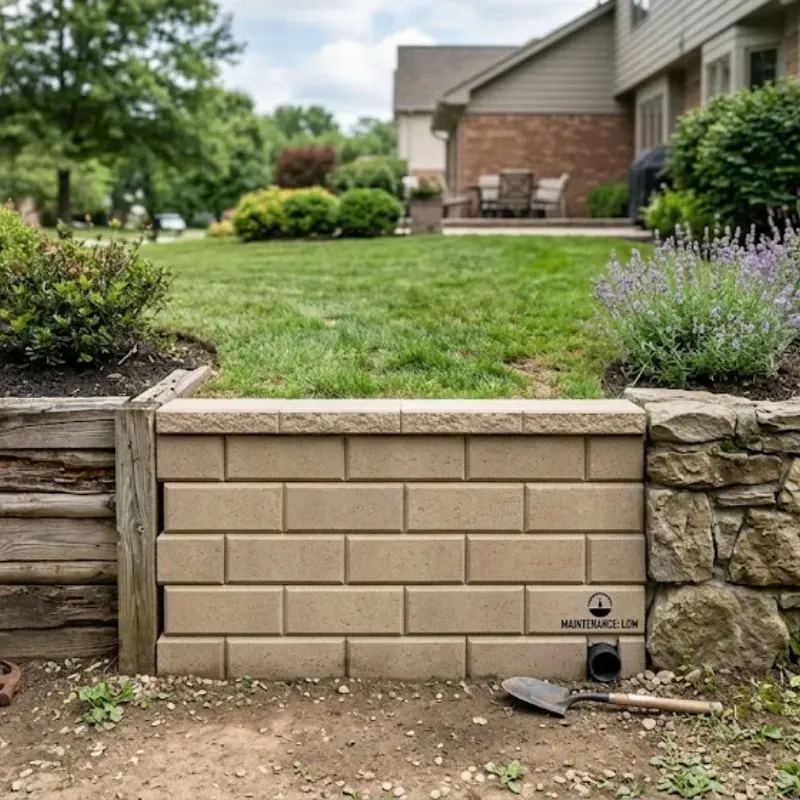
Maintenance
Block requires the least ongoing care aside from ensuring proper drainage. Stone requires periodic inspection to ensure the structure has not shifted. Timber may need reinforcement or replacement as the wood naturally degrades.
Aesthetic Considerations
Stone delivers the most organic and visually unique finish. Block offers clean lines and a professional, modern look. Timber fits rustic or natural spaces but shows wear faster than the others.
Choosing the right contractor is crucial for quality and durability. Learn the best essential traits of the best concrete contractors in Fort Worth.
Which Retaining Wall Works Best?
When performance matters more than anything else, concrete blocks usually stand as the most dependable and predictable choice. It handles soil pressure well, adapts to challenging terrain, and offers structural security over the long term.
Stone walls offer unmatched beauty and can perform extremely well, but only when built with careful technique. They suit homeowners who prioritize appearance and are willing to invest in craftsmanship that ensures stability.
Timber walls serve a purpose, but that purpose tends to be temporary or decorative. They meet the needs of small projects or budgets but do not compete with the long-term strength of block or stone.
Whether for stability or aesthetics, retaining walls require careful planning. Review this retaining wall guide to understand the fundamentals.
Ultimately, the best retaining wall is the one that fits the project’s lifespan, soil conditions, design goals, and willingness to invest in materials that can withstand Texas weather over time. Making this choice with a clear understanding of each material’s strengths leads to a wall that not only looks good on day one but stays dependable for years to come.

Written By:
Kurt Manalastas
Home & Property Research Journalist
Kurt is a Home & Property Research Journalist who creates educational content on home services, property improvement, and residential decision-making. He turns contractor experience, industry standards, and verified research into clear, practical guidance that helps homeowners understand their options and make informed decisions.