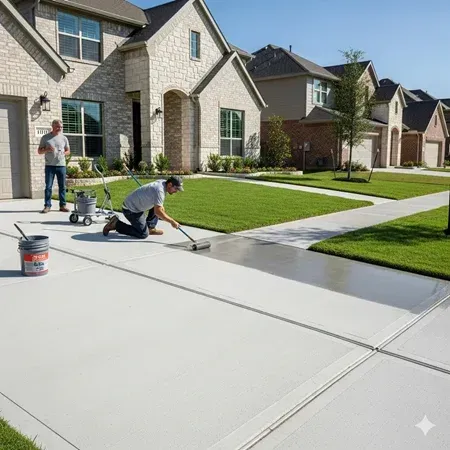
Concrete is considered a low-maintenance material, but that doesn’t mean you can leave it on its own without attention from time to time. In Fort Worth, some factors ranging from environmental conditions to regular activities can impact the quality of your concrete over time.
This is why giving importance to properly maintaining your concrete is essential in preserving its quality, durability, and performance.
Regular Cleaning
One of the basic forms of proper maintenance is regularly cleaning your concrete to keep its original appearance and free from outside elements that can build up and have the possibility to cause structural harm over time.
- Removes substances like dirt, chemicals, and anything organic before they can deteriorate the concrete surface as time goes by.
- Regular cleaning prevents substances such as stains from oil, rust, and mold from becoming permanent and more difficult to remove.
- Prevents erosion and cracks from developing due to the buildup of debris and chemicals.
- Regular cleanup can give you a clearer view of your concrete and make it easier to spot signs of small cracks and wear for repair before they worsen.
- Cleaning your concrete regularly maintains its original color and texture, helping it keep its original appearance.
Sealing
Sealing your concrete is an essential method in ensuring it stays durable and protected from elements that can cause damage to its surface.
- Sealing concrete helps keep water from seeping into the pores of the material. This is important especially in Fort Worth when the weather starts getting colder and can freeze the trapped water, thus leading to cracks.
- It reduces the accumulation of efflorescence, a white powdery substance that is caused by water carrying soluble salts to the surface of the concrete.
- Sealing is especially important in places that are exposed to industrial and other chemicals because it can prevent chemical damage and can make your concrete more resistant to stains and other contaminants.
- Because sealing protects your concrete from various forms of damage, this improves the lifespan and longevity of your material.
Crack Repair
Addressing the cracks in your concrete for immediate repair is vital in ensuring no potential damage sits and worsens over time.
- Even if a crack on your concrete is hairline thin, leaving it alone for too long can increase the possibility of it expanding due to water seeping in, freeze/thaw phases, and large weights.
- Repairing cracks as soon as possible helps maintain your concrete’s surface durability.
- Cracks can create openings for water to enter and erode your concrete.
Joint Maintenance
Concrete tends to expand and contract depending on the temperature changes, chances of moisture, and when stressed with heavy loads. Properly maintaining the joints allows your material to work around this surface movement to prevent uncontrolled cracking.
- Joints are situated in areas of your concrete that can lead to potential cracking, this minimizes the damage from happening in random places.
- Joints help in load distribution, properly maintaining the joints in your material reduces the stress it has to carry enabling your concrete to extend its performance and longevity.
Addressing Stains and Discoloration
Stains are caused by a variety of factors, such as environmental factors or day-to-day activities. Watching out for discoloration in your concrete and promptly addressing it can prevent further issues from surfacing.
- Removing stains from substances like oil and other chemicals prevents them from penetrating the surface of your concrete and seeping deeper into the material to cause more lifelong damage and problems.
- Some stains are caused by certain chemicals that can slowly erode and weaken the surface of the concrete, causing problems such as pitting and degradation.
- Some stains are caused by organic elements like algae, mold, and mildew that can spread to other places. Keeping your concrete stain-free and clean can minimize control of this from happening.
- A stain-free concrete is a reflection of proper maintenance, thus improving its appeal and possible market value.
Resurfacing
Resurfacing is one of the essential elements of concrete construction where a new layer is added to provide a smooth and even surface, removing the inconsistencies and flaws that have developed over time.
- Resurfacing provides a new layer that acts as an added protective barrier over the existing concrete which can help improve its strength and resistance to wear and tears that can happen in the future.
- Because of the new layer, resurfacing prevents the existing damage and flaws on your concrete surface from worsening and causing deeper structural problems.
- Resurfacing can smooth and patch cracks and holes and create a more uniform surface with little to no danger of posing trip hazards.
Freeze/Thaw Protection
The freeze/cycle can cause various problems in areas that are visited by the colder weather or seasons. Proper maintenance includes sufficient protection from this issue arising and causing further damage to your concrete.
- Without proper protection, surface scaling can happen where the top layer of your concrete cracks and flakes off because trapped water expands in the pores of your material.
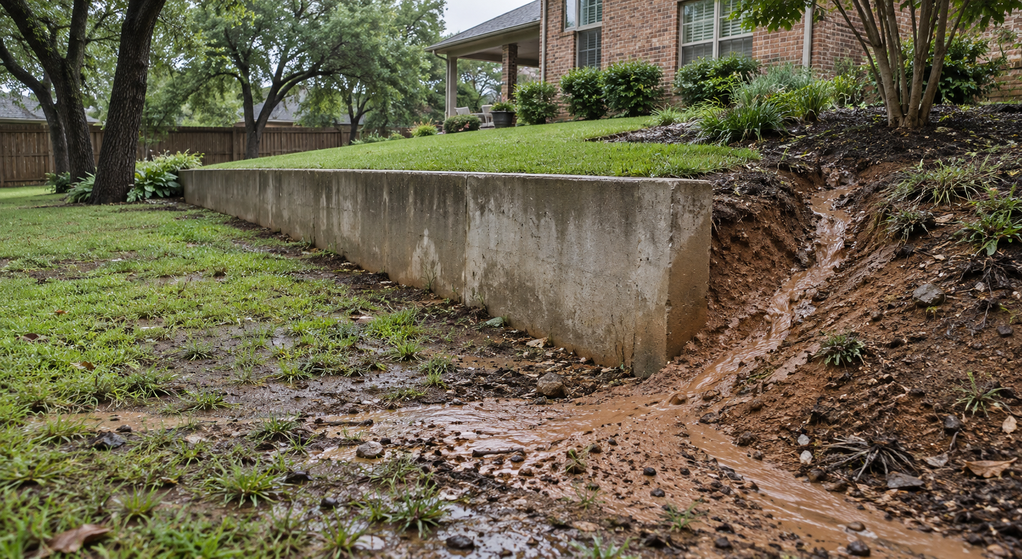
- Making sure that drainage is located away from concrete structures can reduce the amount of water that can potentially penetrate and freeze inside your material.