Have you been looking into building a new concrete project for your Fort Worth property and thought about how to do it in such a way the outcome becomes professionally done? What is that secret touch that experienced concrete contractors have that makes all their projects deliver excellent results?
Here we will be exploring the trade secret tips your
local Fort Worth concrete contractors use to bring high-quality results in every venture they undertake.
Understanding Local Site Conditions
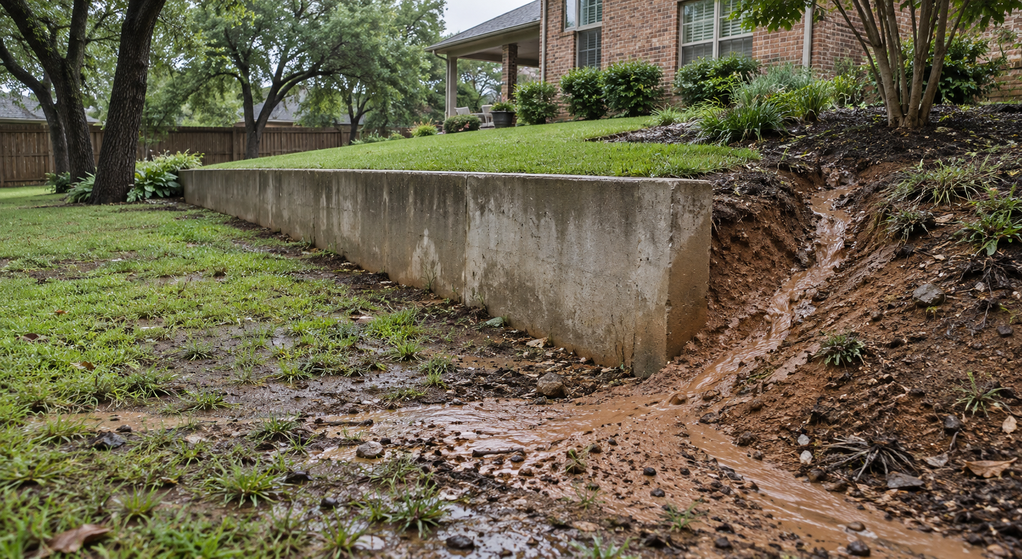
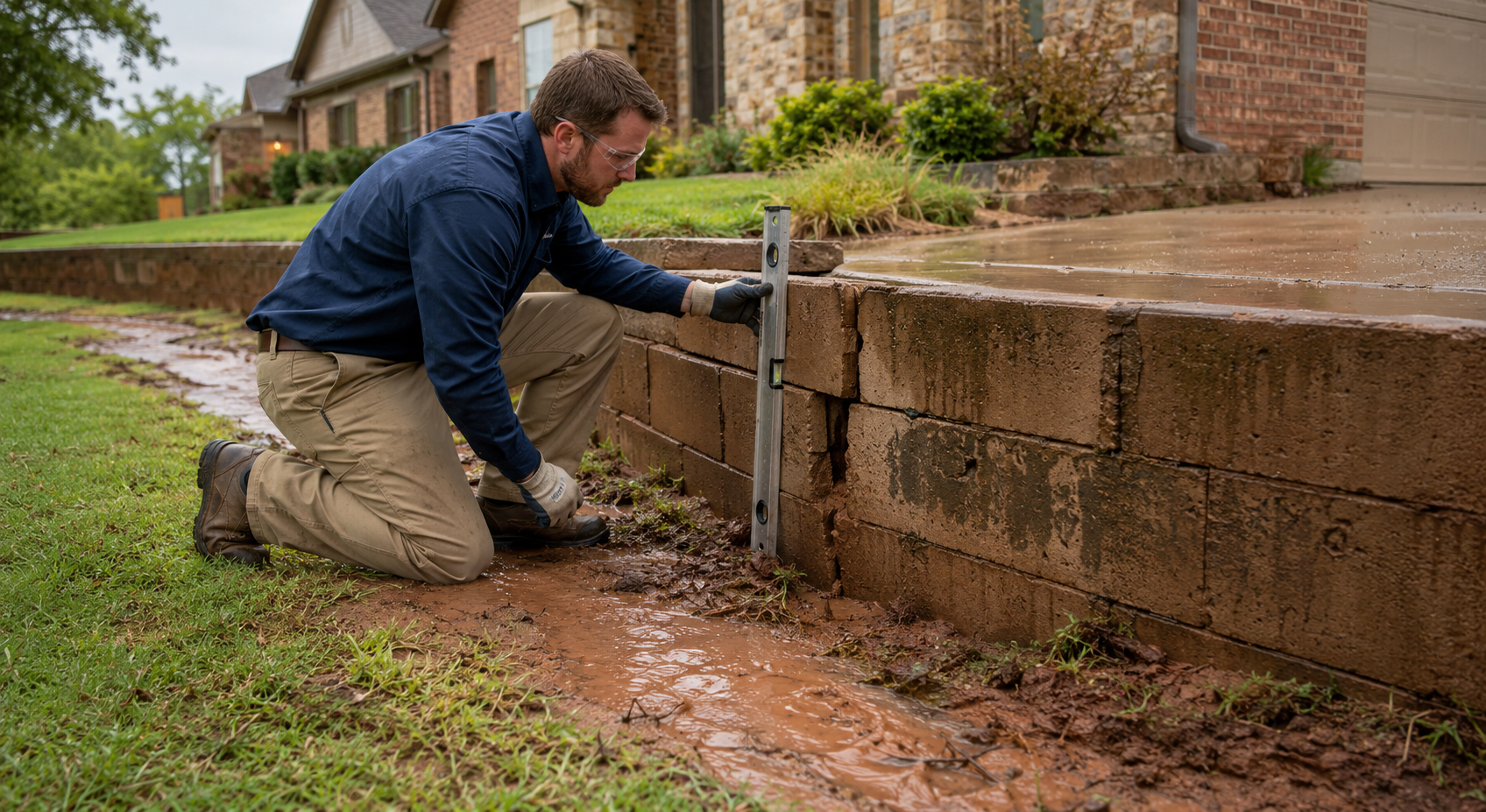
Soil - Fort Worth has a mix of clay and foam soils that can significantly contract and expand. An experienced concrete contractor should be able to test the soil before any project starts to assess where they can start with the build and how they can go about it considering the conditions of the site area’s soil.
Climate - Quick evaporation is bound to happen with Fort Worth’s hot summers. This can add to the factors of concrete damage which your contractor must take note of before adding in the necessary work of proper curing and mixing to avoid these.
Quality Materials
From having easy access to high-quality materials and having the experience to handle these materials, one of the secrets your Fort Worth contractor uses is within the preparation of the concrete.
Proper Mix - Every venture has different needs and requirements, and the cement mixture used should be able to coincide with the concrete’s specified use. There are certain mixes that Fort Worth contractors integrate into their local projects that fit best to the weather conditions to ensure the concrete stays strong and durable.
Expert Craftsmanship
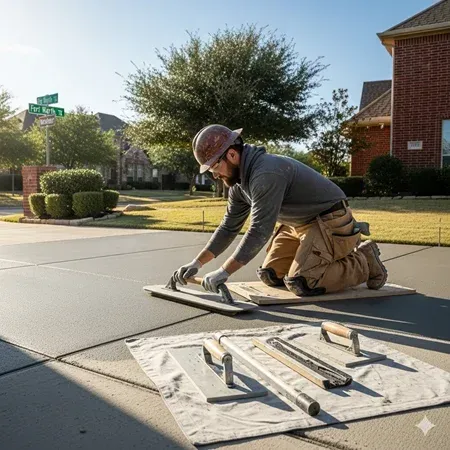
Skilled Workforce - A team of experienced workers who understand the assignment of the work can make all the difference in a construction. From the right mixing, pouring and up to the curing and finishing processes of the concrete build, a skilled crew can work well with little supervision, saving time and effort in redoing or correcting rookie mistakes.
Attention to Detail - having an eye for detail meant the careful handling of the build process such as the right ratio in mixing, the steady and strategic placements for pouring, and the right timing in the curing process, all these contribute to quality results.
Proper Curing
Curing Process - Fort Worth’s warm climate is being considered during the controlled curing process. Your local experts would know which method would fit best for your project depending on time, available resources, and environmental factors.
Timing - Timing is everything, and when it comes to handling your concrete, especially during its curing process, it is notably essential. Proper curing time is vital to ensure the strength and durability of your material, usually within the timeline of 28 days.
Reinforcement Techniques
Using Rebar or Mesh - Your concrete contractor would be able to tell which of the 2 would be better used depending on the size and scope of your projects. Although using a rebar would add a significant amount of strength to your overall build, oftentimes when considering the budget at hand and the space and size of the construction, a mesh would often work just as fine as well.
Expansion Joints - These elements evenly distribute any stress from surface weights throughout your concrete to ensure a uniform load-bearing capacity for your material. Often being integrated into driveways or industrial settings where heavy loads and multiple larger vehicles are being handled. Using expansion joints can reduce the risk of several cracks forming due to the stress placed on the concrete or even from the expansion due to the warmer weather.
Flexibility
Adaptability to Project Needs - Every project is different. An experienced contractor would be able to tackle each venture with the right approach whether it be a foundation, pavement pathwalk, or a concrete driveway.
Problem-solving - One of the secrets of a skilled contractor that can set them apart from the rest is how they tackle problems and issues that arise within the construction in a systematic way that doesn’t majorly disrupt the timeline or the budget of the build.
Planning and Execution
Staying Up-to-Date - Concrete contractors should be able to be knowledgeable about modern trends and be up to date with the styles that are hitting the market by storm. This ensures potential clients that the contractor they chose is not only adept in the basic and general knowledge of construction but can also apply the preferred designs that are popular in modern structures.
Good Communication
Clear Delivery - Communication is key. One of the key secrets of an
excellent concrete contractor is their ability to communicate and come down to agreements with the needs and wants of their client. From the desired design of their build to aligning the overall plan to fir within their budget, clear communication can significantly help in delivering high-quality results for their project.
Post-Project Support - Providing warranties and post-project services ensures the client that the team is confident in their construction and that any issue that can arise after the build is completed will be taken care of within the time frame of the warranty.
Adherence to the Local Regulations
Permits and Building Codes - Strictly practicing adherence to local regulations for construction saves time and money. An experienced contractor would be able to know whether a project needs permits and will be able to prepare them beforehand to not waste time waiting before construction can start also be knowledgeable of the building code to avoid reworks and sudden changes due to not abiding it.
Contact us
today to learn more.