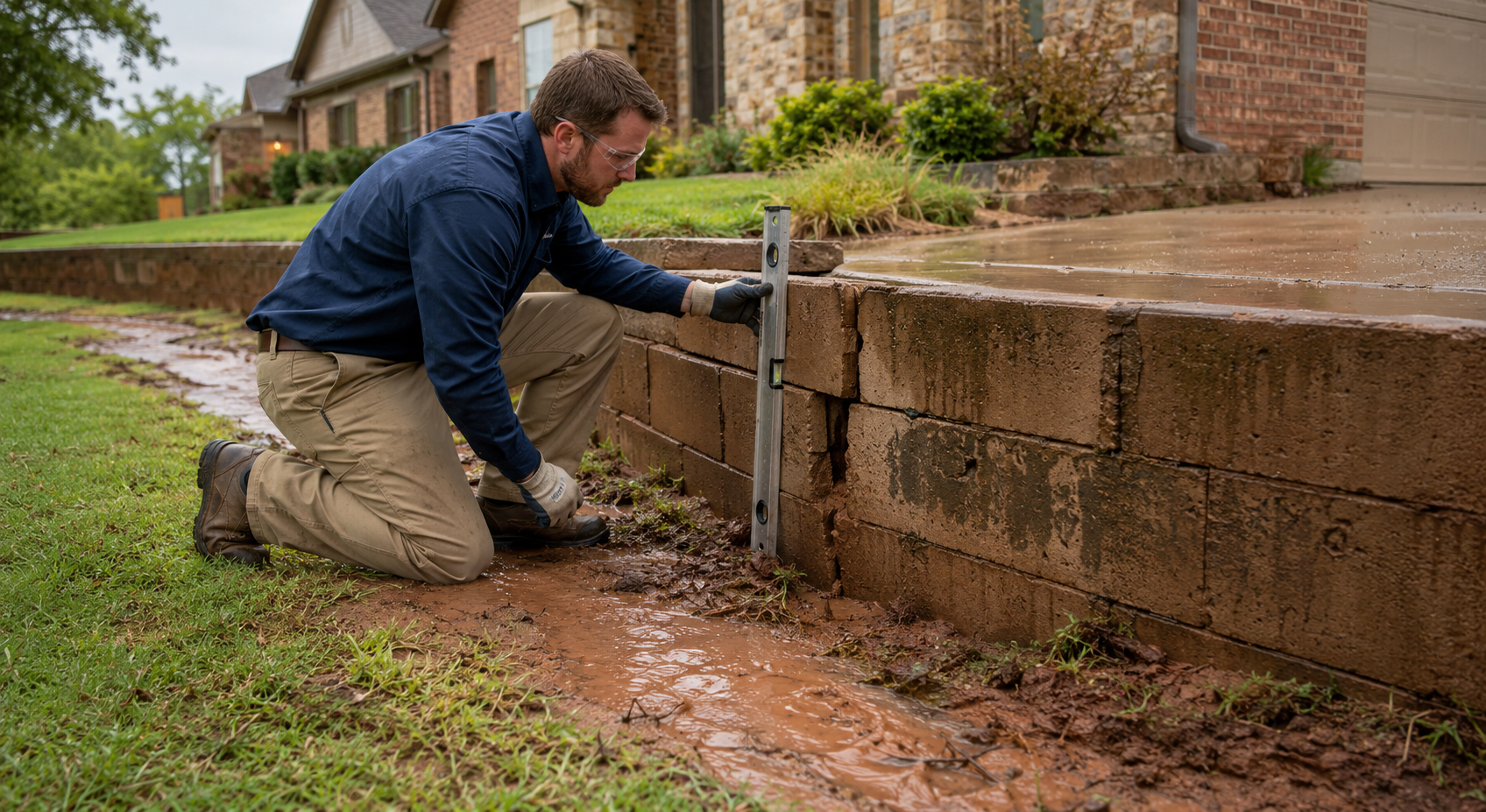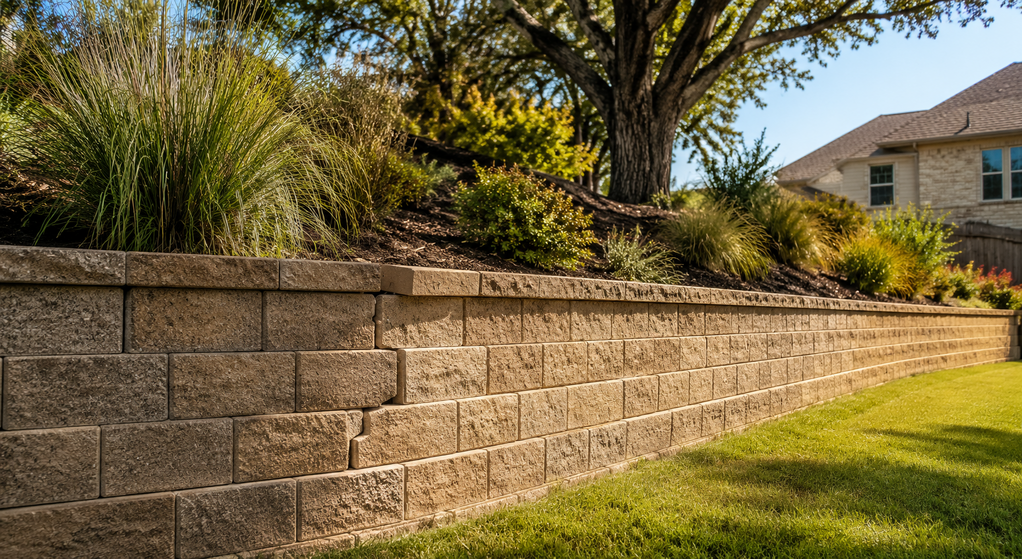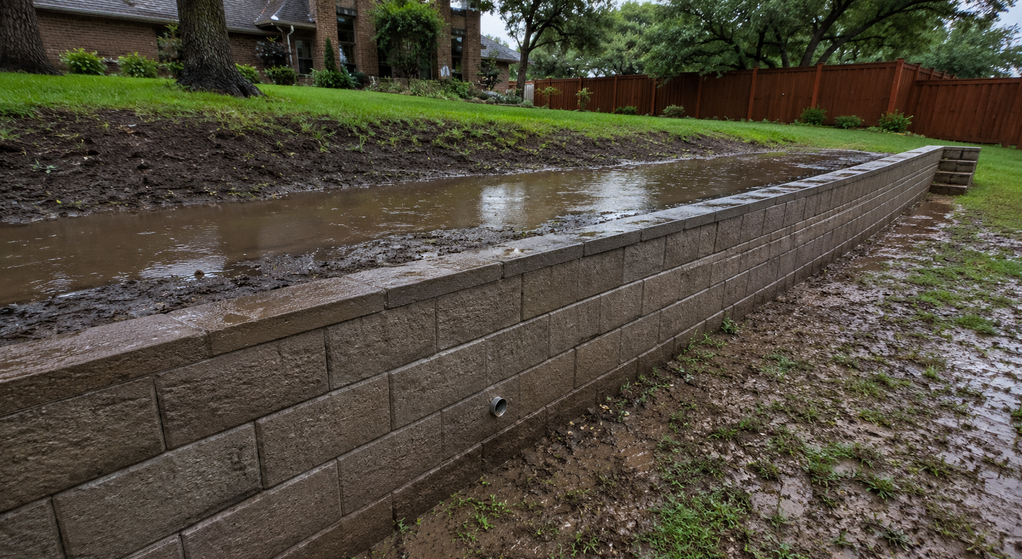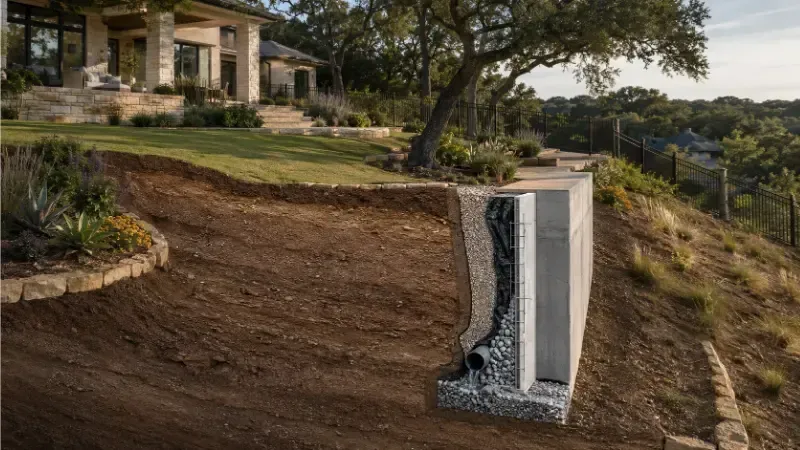
How It’s Done:
Strong foundations in Fort Worth are built through careful soil preparation, proper reinforcement, precise concrete mixing, and disciplined curing practices tailored to local clay and climate conditions. By combining engineering, experience, and strict quality control, professionals create durable slabs that resist cracking, shifting, and long-term structural failure.
In construction, there are few things that matter more than the foundation beneath your feet. And if you’ve ever seen the cracked driveways, uneven patios, or shifting slabs that dot older Fort Worth neighborhoods, you probably know why. Expansive clay, unpredictable weather, and intense summer heat are unforgiving and can destroy poorly built concrete in a matter of years. That’s why the best builders in the Metroplex insist that strong foundations come from careful engineering, not just concrete.
It Starts with the Ground
Some rush to pour without understanding the ground they’re building on. Foundation services in Fort Worth that dominate the concrete scene test and prepare the soil before a single bag of cement is mixed.
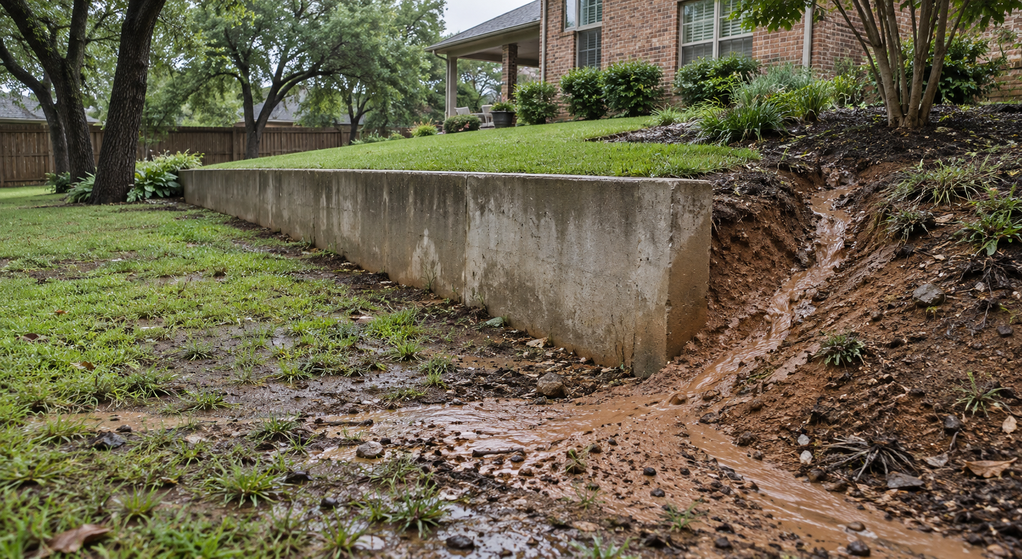
Experienced builders, especially those who’ve been in the trade for decades, understand the movement patterns of North Texas clay. It expands in the rainy season and shrinks during dry months, which causes cracking and heaving. To prevent this, the soil must be graded, compacted, and stabilized. Sometimes that requires removing weak topsoil entirely or adding crushed limestone to create a firm, non-reactive base.
This is the foundation of every durable slab. Because even the best PSI concrete mix will fail if it’s sitting on unstable soil.
Reinforcement Is a Non-Negotiable
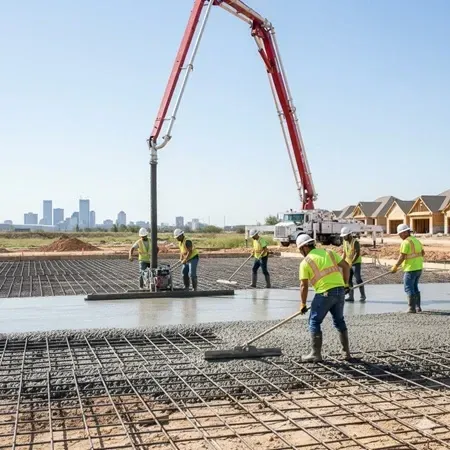
A foundation’s true strength lies not in its thickness, but in its structure. That’s why our Fort Worth concrete foundation specialists rely on strategic reinforcement, such as rebar grids, post-tension cables, or welded wire mesh, to resist cracking and movement.
They calculate the proper spacing and depth based on soil type, expected load, and structural design. This method is common among experienced professionals. In simpler terms, steel and science work together. You can’t have one without the other if you want a foundation that stands the test of time.
The Right Mix for Texas Conditions
The compressive strength of the mix determines how well it resists cracking, weathering, and structural stress. While the average homeowner may not think twice about PSI ratings, Fort Worth concrete experts care about them a lot.
In the Metroplex, high-quality contractors typically choose 3,500 to 5,000 PSI mixes, depending on project type. But that’s only part of the story. It is also important to understand that water-to-cement ratios, additives, and curing times interact with Texas heat. Concrete experts know that a rushed pour or excessive water can ruin the mix, leading to soft, weak concrete.
These details separate seasoned experts from amateurs. Professionals who have worked hands-on with thousands of slabs don’t rely on luck or eyeball measurements. They rely on chemistry, climate knowledge, and decades of field experience.

Precision During Pouring and Finishing
Concrete pouring might look simple to an outsider, but in Fort Worth, temperatures can swing from scorching to freezing in a single week. That’s why concrete pouring is something like an art form. Skilled crews pour in controlled sections, use vibration tools to eliminate air pockets, and apply finishing techniques that seal the surface from moisture intrusion.
Timing is everything. Pour too quickly, and the concrete might not settle evenly. Wait too long, and it sets prematurely, leaving visible seams or weak points. That’s why respected builders always supervise pours personally, ensuring each phase is executed perfectly.
Precision and planning are only part of the story. Discover the techniques and insights Fort Worth concrete contractors rely on to deliver high-quality work that stands the test of time.
Curing: The Hidden Key to Longevity
Curing is probably the most overlooked step in building strong foundations. Proper curing allows the concrete to reach its full strength gradually, preventing surface cracking and premature aging. That’s why it is very crucial.
In Fort Worth’s arid summers, curing demands vigilance. Contractors who know the local climate keep the concrete consistently moist for at least seven days, using curing blankets or controlled watering. It’s not glamorous work, but it’s what separates long-lasting slabs from those doomed to fail early.
Quality Control Matters
In concrete work, reliability is about measuring, testing, and verifying every stage of the process. Fort Worth’s seasoned contractors rely on continuous quality checks to ensure that what’s designed on paper performs in the field. This includes slump testing to verify water content, PSI testing to confirm compressive strength, and visual inspections during every phase of the pour.
These steps are essential for long-term performance. A well-documented quality control process ensures that the concrete meets the demands of Texas’s volatile climate. It’s also a learning model for younger tradespeople entering the field, showing that strong foundations depend on consistent data, not verbal assurance.
That’s what distinguishes Fort Worth’s true concrete experts. Their work is backed by experience and evidence.
Learning from Generations of Concrete Craftsmanship
For some professionals, it’s the continuation of decades of accumulated knowledge passed from one generation to the next. This lineage shapes an educational approach to modern construction by understanding why older methods worked, adapting them with modern technology, and applying that blend to solve today’s challenges.
For instance, lessons learned from 1970s-era slab failures in North Texas still inform how professionals reinforce and cure foundations today. Modern experts combine those insights with contemporary tools such as laser levels, moisture meters, and advanced mix designs to produce foundations that resist cracking for decades.

Each successful project becomes a case study in how experience, technology, and environmental understanding can converge to create stronger, smarter builds.
Building something that lasts starts with understanding your options. Learn what sets professional concrete installation apart from DIY work and how each choice affects strength and longevity.
Conclusion: Building Strength That Outlasts Time
Fort Worth’s leading concrete professionals prove that durability comes from mastery. From soil preparation to curing, each step reflects a deep respect for the science and craft of construction.

Written By:
Kurt Manalastas
Home & Property Research Journalist
Kurt is a Home & Property Research Journalist who creates educational content on home services, property improvement, and residential decision-making. He turns contractor experience, industry standards, and verified research into clear, practical guidance that helps homeowners understand their options and make informed decisions.