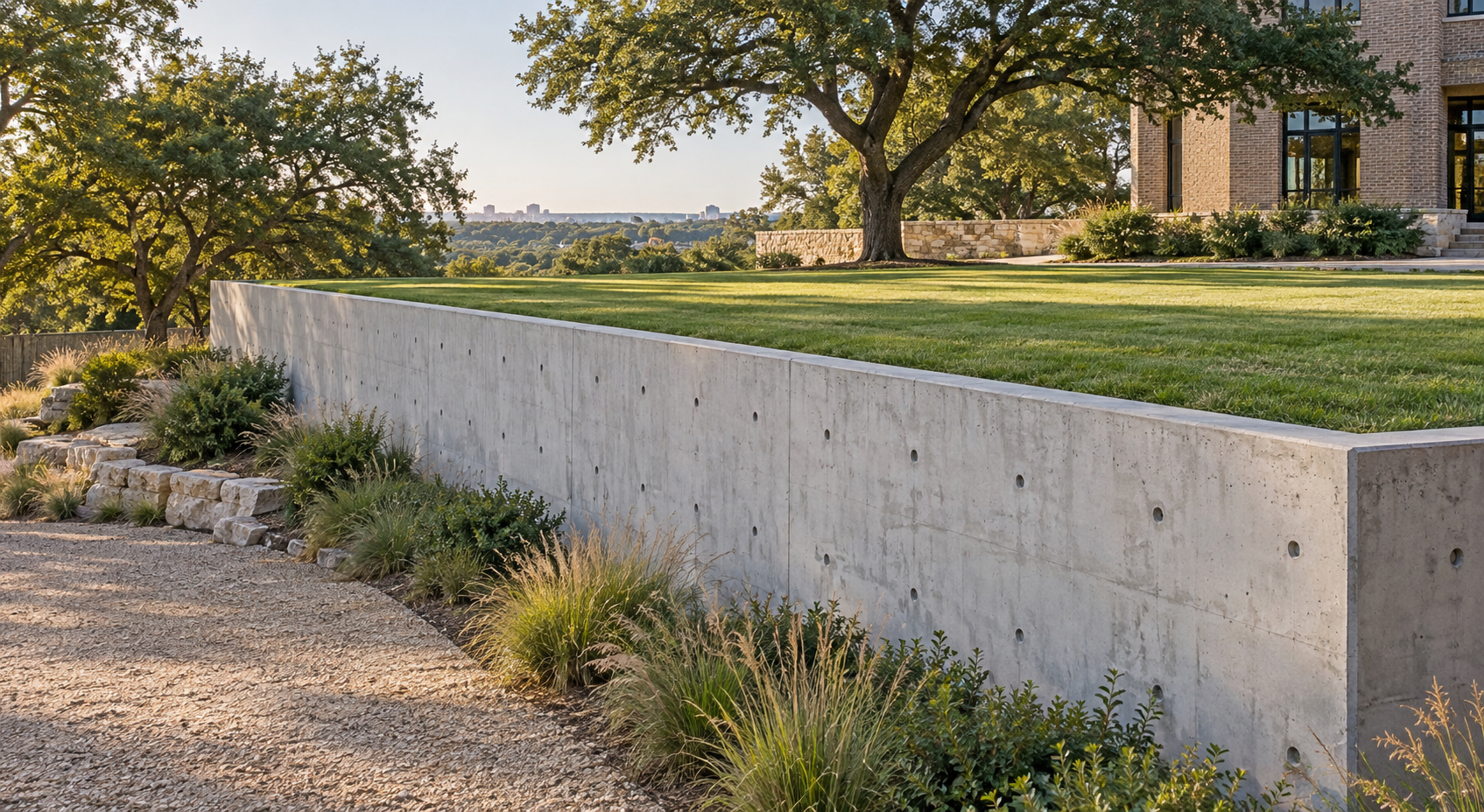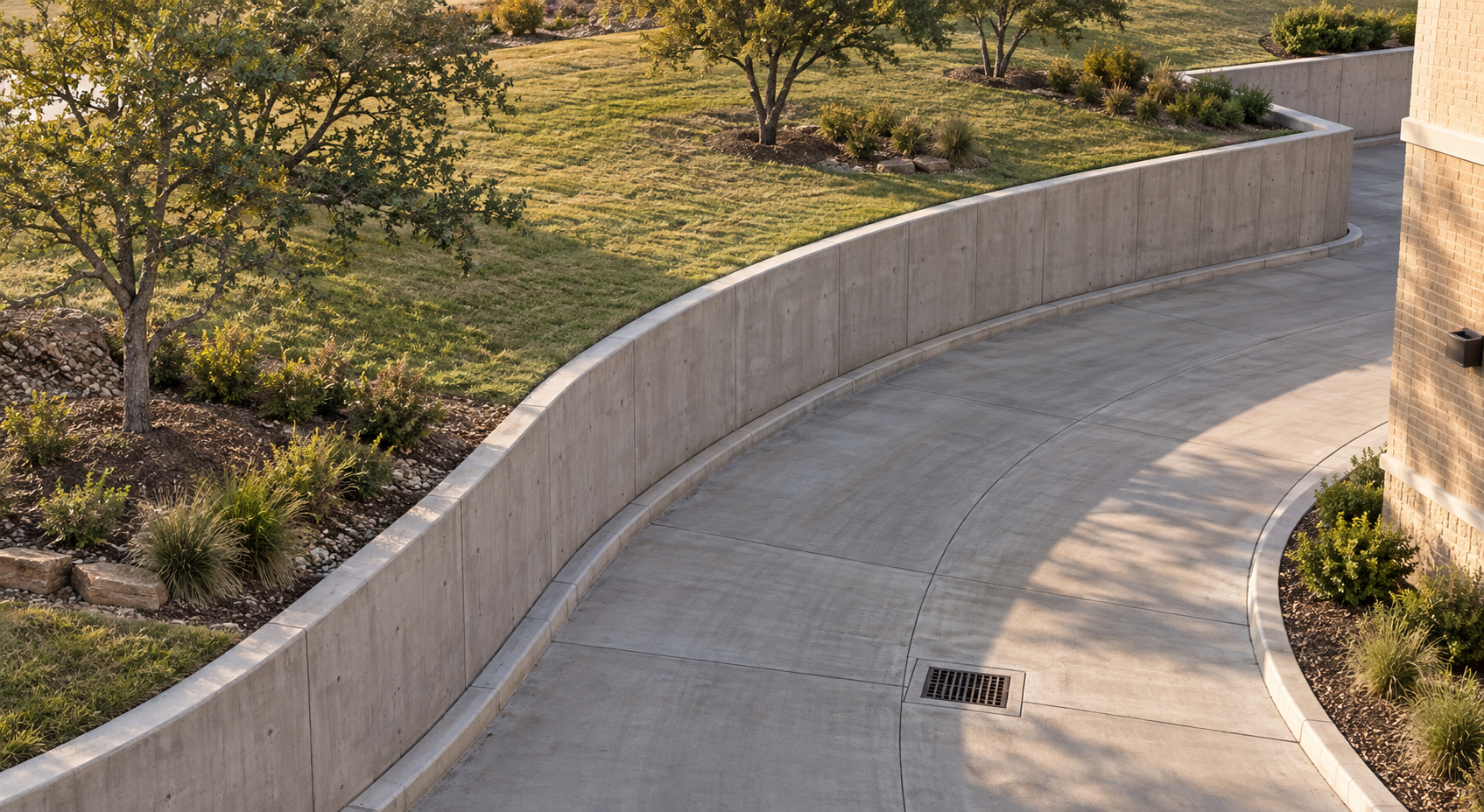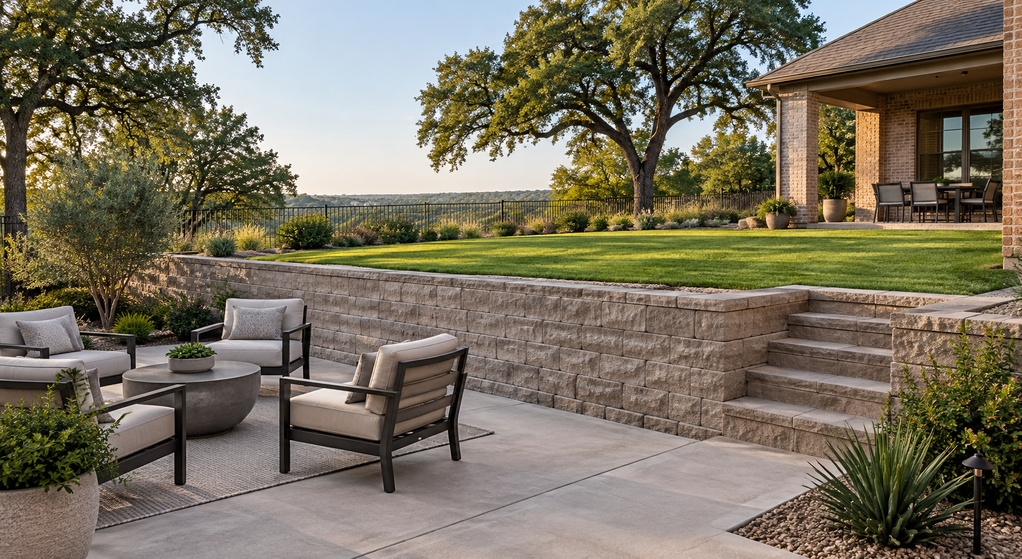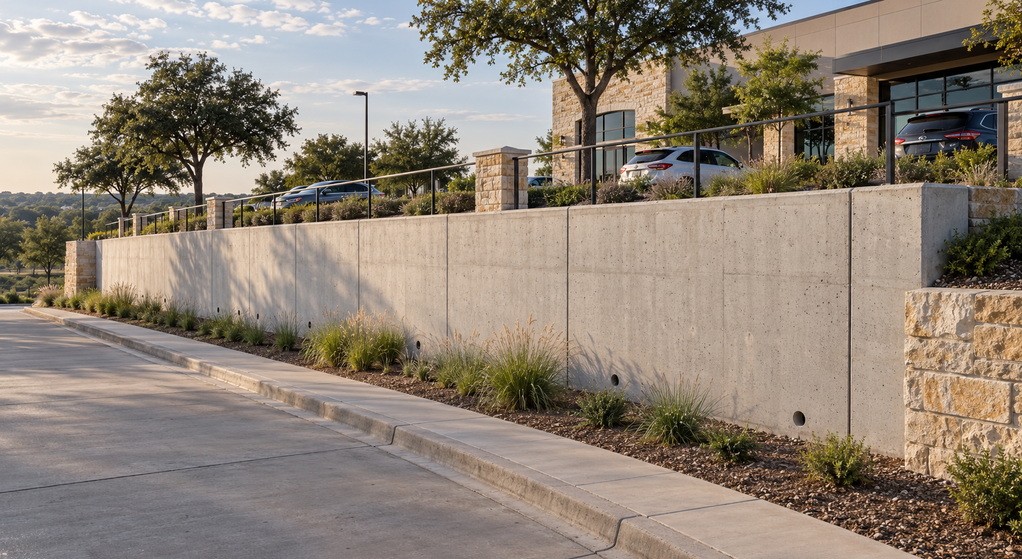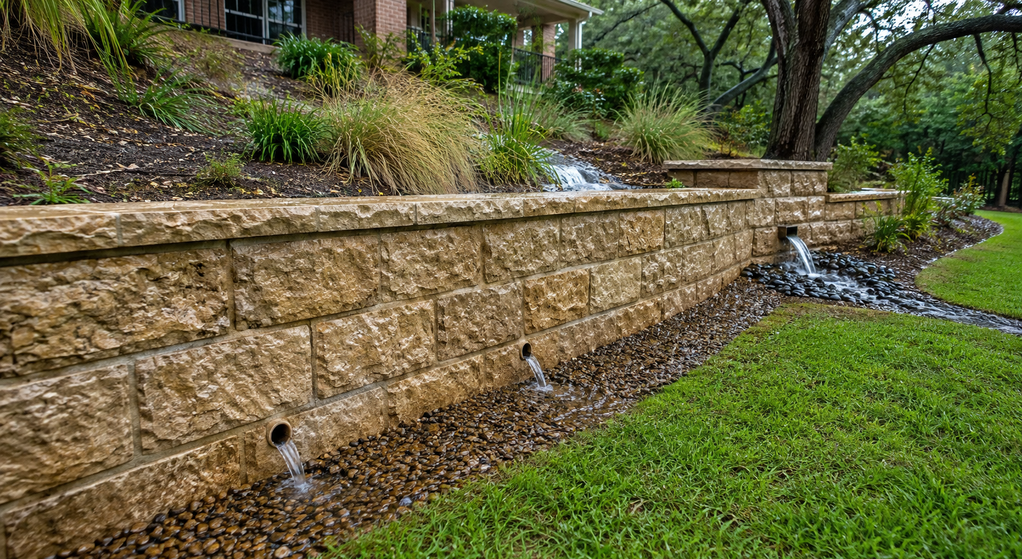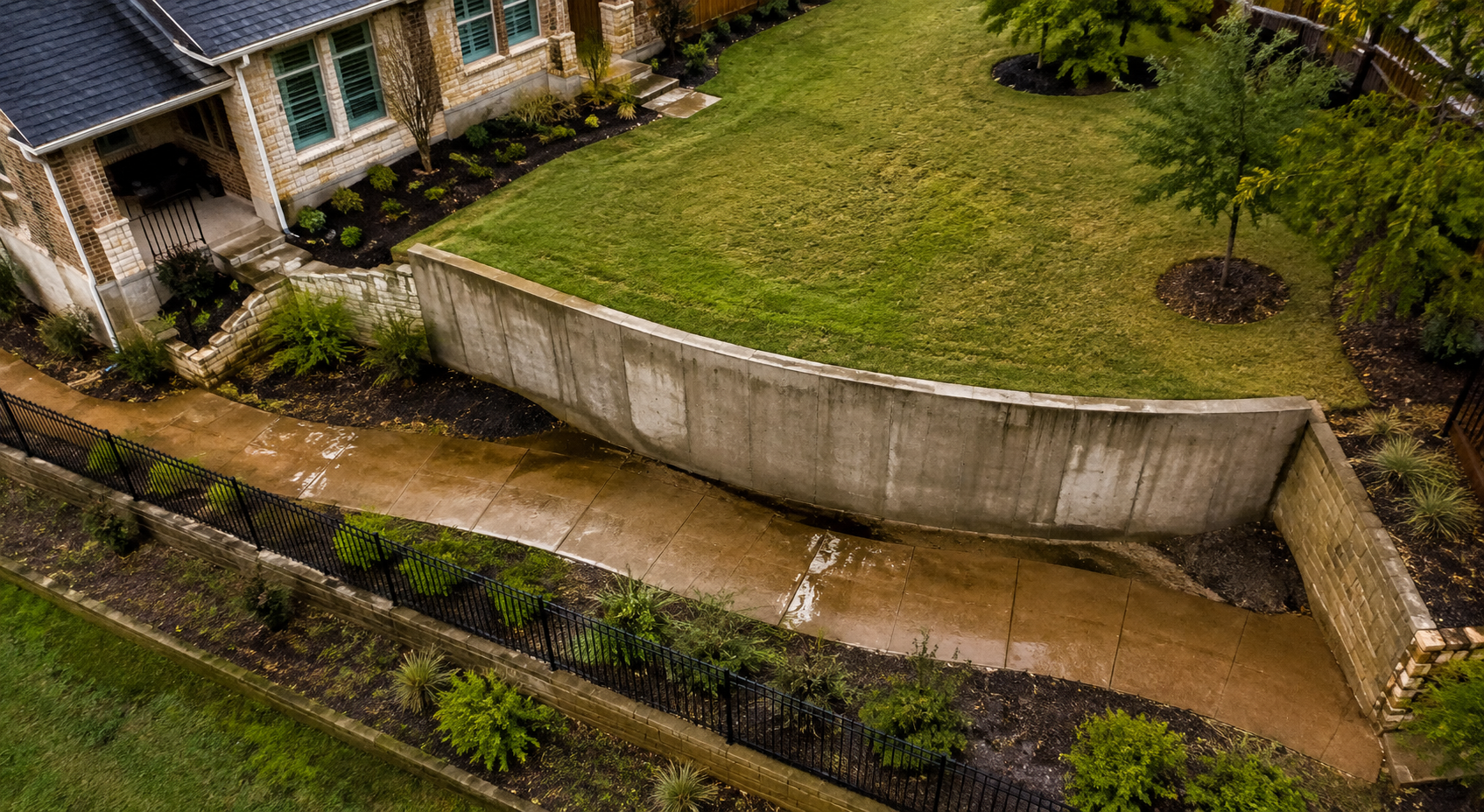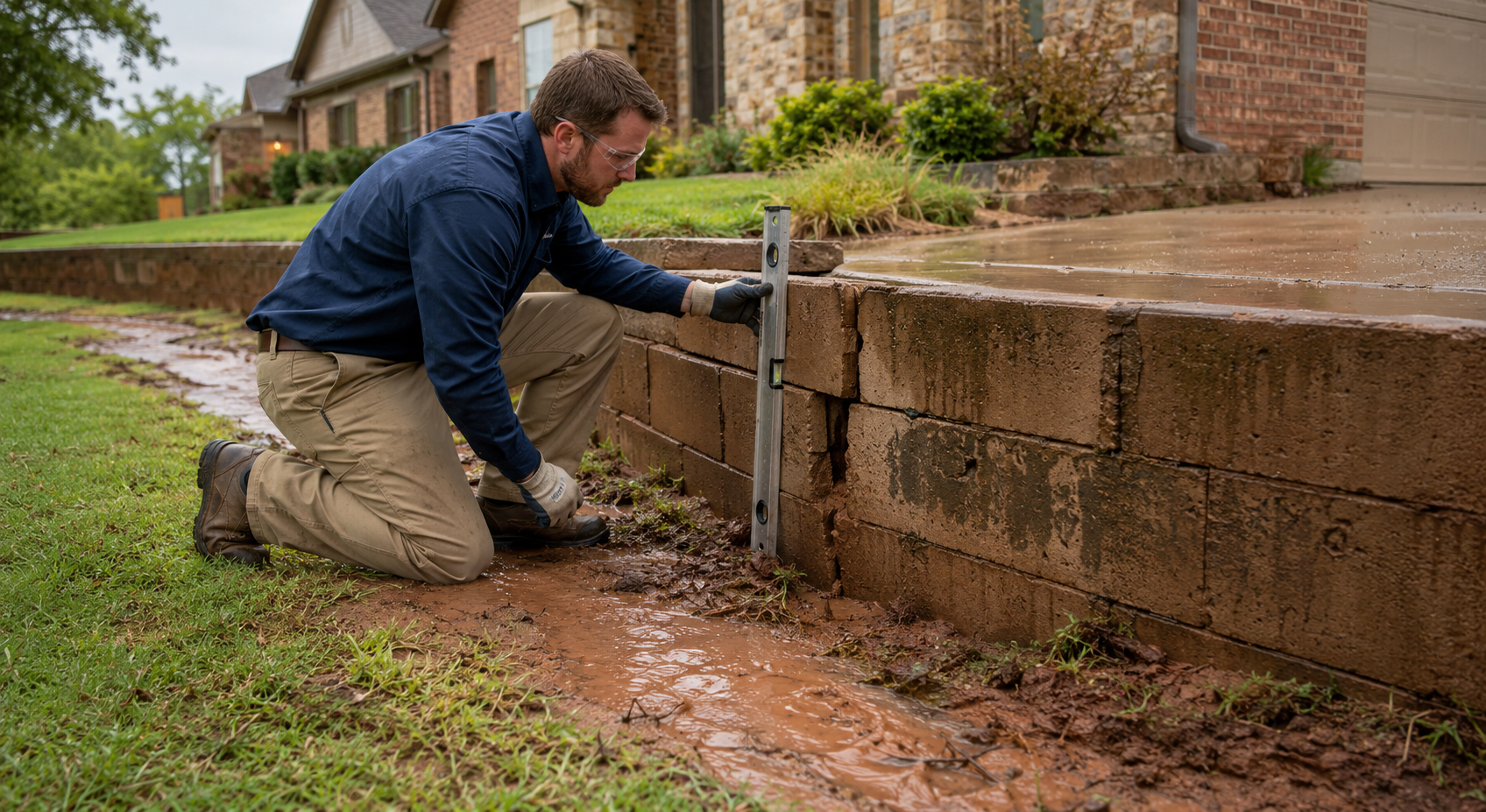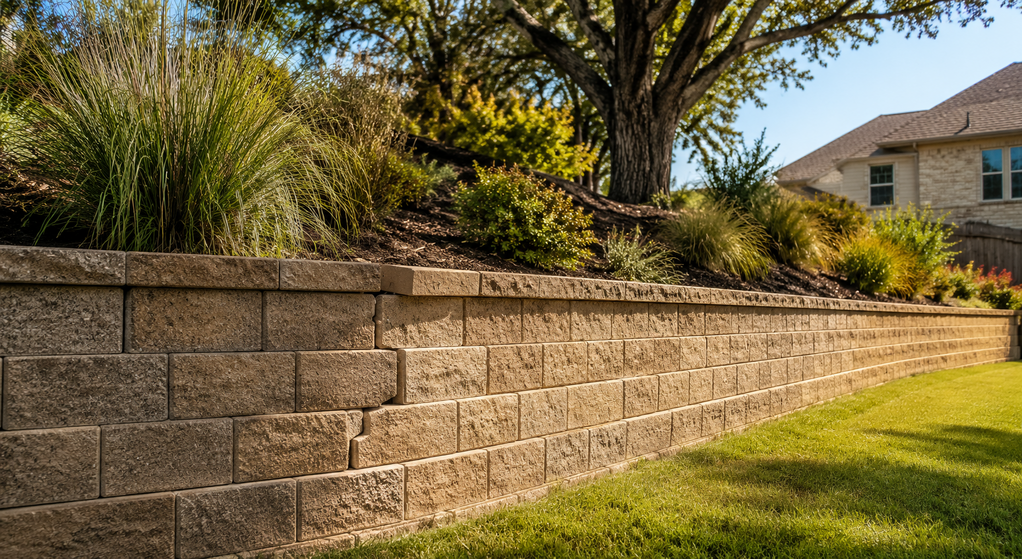
Concrete is one of the most famous construction materials used all over the globe. Despite its prominence, concrete is not always regarded as 'pretty.' Rather, concrete is regarded as more commercial material. Concrete is still a preferred alternative because of its durability and low cost.
But, patterned concrete comes in a variety of styles. Thousands of designs have been developed by the architectural concrete industry that can be employed for a nearly limitless number of purposes.
Stamped concrete may be customized in ways that other materials cannot.
For these factors, stamped concrete is one of the most versatile pavement materials available today. Stamped concrete can be used almost anywhere where ordinary concrete is just used for flooring. It is suitable for all types of surfaces on which pedestrians and vehicles pass.
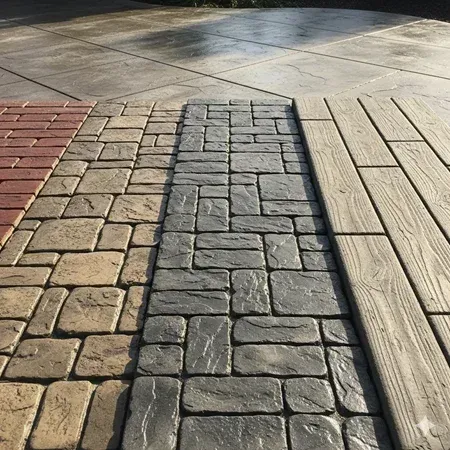
The different kinds of stamped concrete vary based on stamped concrete colors, patterns, and fabrics.
In general, different types of stamped concrete are:
Stone Patterns- Tile Patterns
- Slate Patterns
- Wood Patterns
- Seamless Textures
- Brick Patterns
Now, let’s get dive into the details of stamped concrete types.
Stone Patterns
These patterns are meant to seem like natural stone pavers, as the name says. The most popular forms of stamped concrete are stone patterns such as fieldstone and flagstone.
This broad category includes textures ranging from rustic random stone and flagstone to more sophisticated stone ashlar and cobble patterns. These stamps, with their thick, weathered textures, are ideal for patios and thematic spaces.
Tile Patterns
Uneven tiles are a blight. By applying tile pattern stamps, you may achieve the consistency and symmetry of properly manufactured stamps without compromising the intended aesthetic.
More crucially, unlike off-the-shelf ceramics, stamped-colored concrete can create any tile color scheme you may imagine.
Slate Patterns
Slate is one of the ancient asphalt pavements still in use today. Without being bound by natural materials, slate stamping patterns evoke the timeless, understated elegance of slate pavers.
These patterns are ideal for use on walkways and sidewalks. Slate pattern installment is also popular in museums and even for domestics use.
Wood Patterns
Wood decomposes, distorts, and splinters with time. Concrete, however, does not! But what if you still desire the hominess and warmth that wood provides?
Stamped concrete with wood grain is an excellent choice for both indoor and external flooring. It closely resembles the grain and textures of wood while being significantly more resistant to wear, misuse, and dampness.
Wood stamped concrete floors are becoming a more common alternative for interiors, patios, hallways, pool decks, and lawns. More consumers are opting for stamp concrete that resembles wood.
Seamless Textures
A softer texture, free of grout lines and hefty joints, is sometimes desirable. This flawless pattern generates endlessly variable textures that will not rehearse if properly installed.
Because of their limitless variety, seamless textures are ideal for huge regions. Because they are easier and smoother to walk on, they are also well suitable for large foot traffic locations.
Brick Patterns
Rebuild the appearance of hand-laid brick for a fraction of the price. Brick and cobble stamp designs make up a varied collection of stamped concrete techniques and styles. Varying from dull cobbles to cool innovative bricks, a broad range of beauty can be gained using this type of concrete pattern.
Because of these design possibilities, as well as the durability and longevity of concrete, brick and cobble textures are appropriate for cityscapes, shopping areas, and other purposes. Patterns include herringbone, running bond, basket weave, and fan. There is a brick texture to match practically any design theme.
To Wrap It Up
Although created from normal concrete, stamped concrete is durable and visually mimics the exact pattern of stone, bricks, or tiles. Stamped concrete has many benefits over conventional materials and requires little upkeep. Stamped finish concrete can also be employed to substitute natural stones for flooring, making it a green material.
Many people ask if the cost of installing a stamped concrete patio or driveway is worthwhile. Definitely, stamped concrete is worth it! As it improves the charm and visual value of your property, letting you optimize your profit on investment.